7 Tips How Much Does It Cost to Fix a Transfer Case Leak?

Time:2026-11-02 Author:Madeline
0%

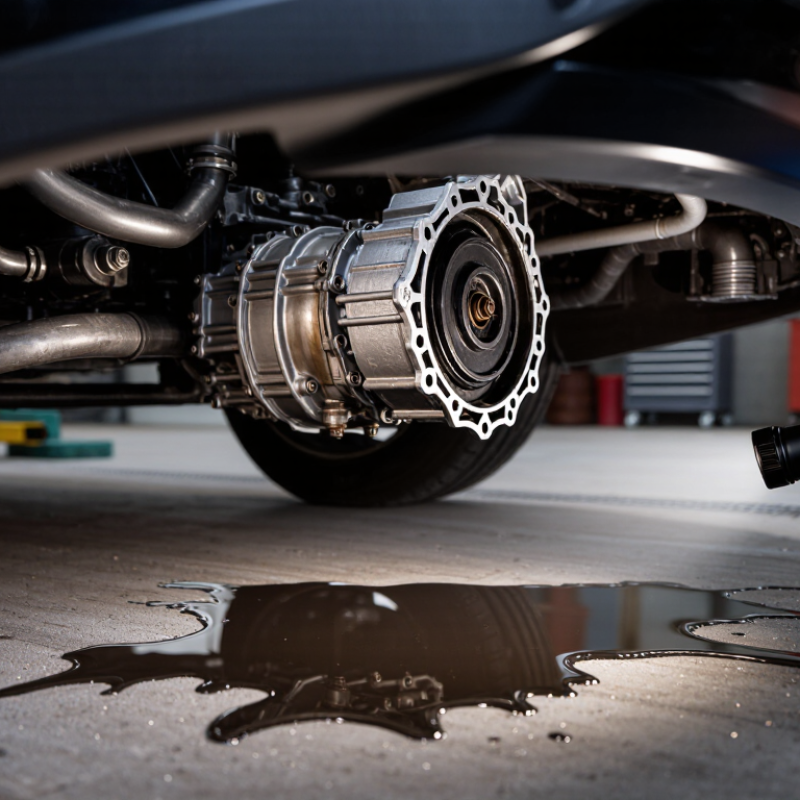
A dark, oily spot beneath a vehicle can turn a short driveway check into an expensive question: how much does it cost to fix a transfer case leak? The honest answer depends on the source of the leak, the vehicle, and local labor rates. A worn output-shaft seal may need a different repair from a cracked housing or damaged case. Fluid on the case is a clue, not a diagnosis. That distinction matters.

AAA’s 2024 Your Driving Costs report tracks maintenance and repair as part of vehicle ownership costs, but it does not publish a transfer-case-leak price. RepairPal’s transfer-case replacement estimates also provide a useful comparison, not a quote for sealing a leak. Replacement and leak repair are different jobs. A technician may need to clean the housing, trace the wettest point, inspect seals, and check fluid level before pricing the work. The final estimate can include diagnosis, parts, labor, and any damage caused by low fluid. Small leak, maybe. Small bill, not guaranteed.

The seven tips below explain what changes the price, which warning signs deserve prompt attention, and what to ask before approving repairs. Get an itemized estimate, and ask whether the shop has confirmed the leak source. A little skepticism helps. So does a clear inspection report. Repair costs vary, and online averages cannot see your vehicle on a lift.
7 Tips How Much Does It Cost to Fix a Transfer Case Leak?

What a Transfer Case Leak Is and Why It Happens

A transfer case sends engine power to the front and rear axles in many four-wheel-drive vehicles. It contains gears or chains that need the correct lubricant. A leak is fluid escaping from the case or its connections, often leaving a wet patch beneath the vehicle. The fluid may look amber, brown, or red, but color alone cannot identify it reliably. Check its location and the vehicle’s service information.

Common sources include worn output-shaft seals, loose or damaged drain and fill plugs, and leaking case seams. A shaft seal can deteriorate as it ages or after grit damages its sealing surface. A hard impact may crack the housing. Heat, vibration, or an earlier repair can also loosen a connection. Sometimes the case is simply overfilled, and fluid escapes through its vent. It’s easy to blame the nearest seal. That can be wrong.

Look for fresh wetness around the case, especially near the driveshaft connections and plugs. A small drip can become a serious problem if fluid loss lowers the lubricant level. Whining, grinding, or binding may indicate damage, but these sounds do not prove a leak is the cause. Have the source and fluid level checked before replacing parts. Don’t guess.

How to Recognize the Signs of a Transfer Case Leak

A transfer case leak often appears as wetness around the case, its seals, or the points where the driveshafts connect. Look for fresh drops beneath the middle of the vehicle after it has been parked. A small damp patch matters. It is easy to blame every dark driveway spot on the transfer case, but fluid can travel along nearby parts and mislead you.

Check for a low fluid level if your vehicle’s manual explains how to do so safely. A mechanic may also notice a whining sound, grinding, or difficulty shifting between drive modes when fluid is low. These symptoms can have other causes, so they are clues, not proof. The fluid’s color and smell vary, and a leak can be hard to spot when the housing is dirty. That part is frustrating.

If you see active dripping, avoid long drives and arrange an inspection. Ask the shop to identify the leak source before approving repairs; a seal, gasket, or damaged housing can mean very different work. Repair cost depends on access, parts, and labor, so a photo or online estimate alone may miss important details. Don’t guess. A careful inspection can help prevent a minor seep from becoming a more expensive repair.

How a Mechanic Finds the Source of the Leak

A mechanic usually starts by confirming where the fluid appears and when the leak occurs. A damp spot under the vehicle can be misleading. Airflow may carry fluid along the case, making the source look farther back than it is.

With the vehicle safely raised, the mechanic checks the transfer case, nearby seals, drain and fill plugs, housing seams, and breather. Fluid type and condition offer clues, but color alone is not reliable. The area is often cleaned, then rechecked after a short drive. If the trail remains unclear, approved UV dye can help reveal the first wet point under a lamp. Small detail. A loose plug, worn seal, blocked breather, or cracked housing can each leave a different pattern.

The inspection also helps prevent paying for the wrong repair. A leak near the transfer case may come from a nearby transmission or engine component, so the mechanic should trace the fluid rather than guess. They can show you the wet area and explain the evidence. Repair cost depends on the confirmed source, labor time, parts, and access. A seal may be relatively straightforward; internal damage can require more work. Even careful inspections have limits, and a slow seep may need monitoring after repair.

What Factors Affect the Cost of Repair

A transfer case leak does not have one fixed repair price. The total depends on where the fluid escapes, how long the leak has continued, and whether internal parts are damaged. A worn output-shaft seal may require less work than a cracked housing or a leak near a difficult-to-reach connection. Labor rates and parts availability also vary by location. Small details matter.

The U.S. Bureau of Labor Statistics reported a median annual wage of $49,670 for automotive service technicians and mechanics in May 2024. That figure is not a shop’s hourly billing rate, but it helps explain why labor is a major estimate factor. A technician may need to clean the case, identify the leak, remove surrounding components, and refill the unit. Ask whether diagnosis, fluid, seals, and follow-up inspection are included. A quote can still change if cleaning reveals damage; that uncertainty deserves a clear explanation.

Tip: Look for fresh, wet fluid around the case and note any drops on the parking surface. Share those details with the repair shop. Request an itemized estimate separating parts, labor, diagnosis, and fluid. If the leak is ignored, low fluid can increase wear, though the exact risk depends on severity and driving conditions. Don’t guess.

Typical Repair Costs and Ways to Manage Them

A transfer-case leak may come from a worn output-shaft seal, a loose plug, or a cracked housing. RepairPal’s published estimate places an output-shaft seal replacement at roughly $250–$350, though location and vehicle design affect the quote. That figure is only a starting point. Small leaks matter. Low fluid can damage gears and bearings, turning a seal repair into a much larger job. Ask the shop to identify the leak source and check the fluid level before approving parts.

Labor makes up a meaningful share of many repair bills. The U.S. Bureau of Labor Statistics reported a $49,670 median annual wage for automotive service technicians and mechanics in May 2024; this is technician pay, not a shop’s hourly customer rate. Request an itemized estimate separating diagnosis, labor, seals, fluid, and any housing damage. Get it inspected. Compare quotes using the same repair scope, and ask whether the estimate includes fresh transfer-case fluid. I would not treat an online estimate as a promise; that part is imperfect, because access and damage vary from one vehicle to another.

How Much Does It Cost to Fix a Transfer Case Leak?

Typical U.S. repair-cost estimates by service type

Costs vary by vehicle, labor rates, and the source of the leak. A seal or gasket repair is usually less expensive than replacing the transfer case. Get an inspection and written estimate before authorizing repairs.

FAQS

What are common signs of a transfer case leak?

Look for fresh, wet fluid around the case, seals, or driveshaft connections. Drops beneath the vehicle’s center can be a clue. Not proof.

Can a driveway spot confirm the leak source?

No. Fluid can travel along nearby parts, so a dark spot may point to the wrong component. That can mislead.

What other symptoms might occur when fluid is low?

You may notice whining, grinding, or difficulty changing drive modes. These symptoms have other possible causes, so avoid guessing.

How does a mechanic locate the leak?

They inspect the case, seals, plugs, seams, and breather. After cleaning the area, they may recheck it following a short drive.

What if the leak is difficult to see?

A mechanic may use approved UV dye and a lamp to find the first wet point. Small details matter.

Should I keep driving if fluid is actively dripping?

Avoid long drives and arrange an inspection. Low fluid can increase wear, but the risk depends on leak severity and driving conditions.

What affects the repair estimate?

The leak source, access, parts, labor, and any internal damage affect the cost. A seal may require less work than a cracked housing.

What should I ask the repair shop before approving work?

Ask them to show the leak source and provide an itemized estimate. Check whether diagnosis, parts, labor, fluid, and follow-up inspection are included. Estimates can change; ask why.

Conclusion

A transfer case leak occurs when fluid escapes from seals, gaskets, or other components that keep the transfer case lubricated. Wear, damage, or loose connections can cause the problem. Common warning signs include fluid spots beneath the vehicle, a low fluid level, unusual noises, or difficulty shifting between drive modes. Because some symptoms can have other causes, a mechanic typically inspects the transfer case, checks fluid levels, and traces the leak to its source before recommending repairs.

When considering how much does it cost to fix a transfer case leak, remember that the price depends on the leak’s location, the parts and labor required, the vehicle’s design, and whether additional damage has occurred. A repair may involve replacing a seal or gasket, while more extensive damage can require a larger repair. Requesting a clear diagnosis and itemized estimate can help you compare options. Addressing a leak promptly may also prevent low fluid levels from causing further wear.

Madeline

Madeline

Madeline is a dedicated marketing professional with a wealth of expertise in our company's core offerings. With a keen understanding of the industry, she brings a unique perspective to her role, consistently delivering high-quality content that highlights the superior aspects of our products. As......