2026 Best Shock Absorbers Can a Bad One Ruin Your Tires?

Time:2026-09-24 Author:Liam
0%

Can a bad shock absorber ruin your tires? Yes. A worn shock may not cause instant damage, but it can let a tire bounce instead of staying planted. Picture a car crossing a patched road: the wheel skips, lands unevenly, and repeats the motion. Over time, that contact can create cupping, scalloped tread, or uneven wear. The pattern may feel rough through the steering wheel and sound like a steady rumble.

Richard Reina, an automotive expert and product training director, offers a useful principle, paraphrased here rather than presented as a verbatim quote: “Tires need consistent contact with the road, and worn shocks can disrupt it.” That distinction matters. Shocks are only one possible cause of unusual tire wear. Incorrect alignment, low tire pressure, worn suspension joints, or poor rotation habits can produce similar signs. A diagnosis based on tread alone can miss the real problem.

Look closely. Run a hand over the tread only when the vehicle is safely parked; raised and dipped patches can suggest irregular wear. Notice whether the car keeps bouncing after a bump, dives sharply under braking, or feels less settled in a turn. These clues deserve attention, but they do not prove a shock has failed. Have a qualified technician inspect the shocks, tires, and alignment together before replacing parts. Even then, tire damage may remain after the suspension is repaired. That is the frustrating part: fixing the cause cannot restore rubber already worn away.
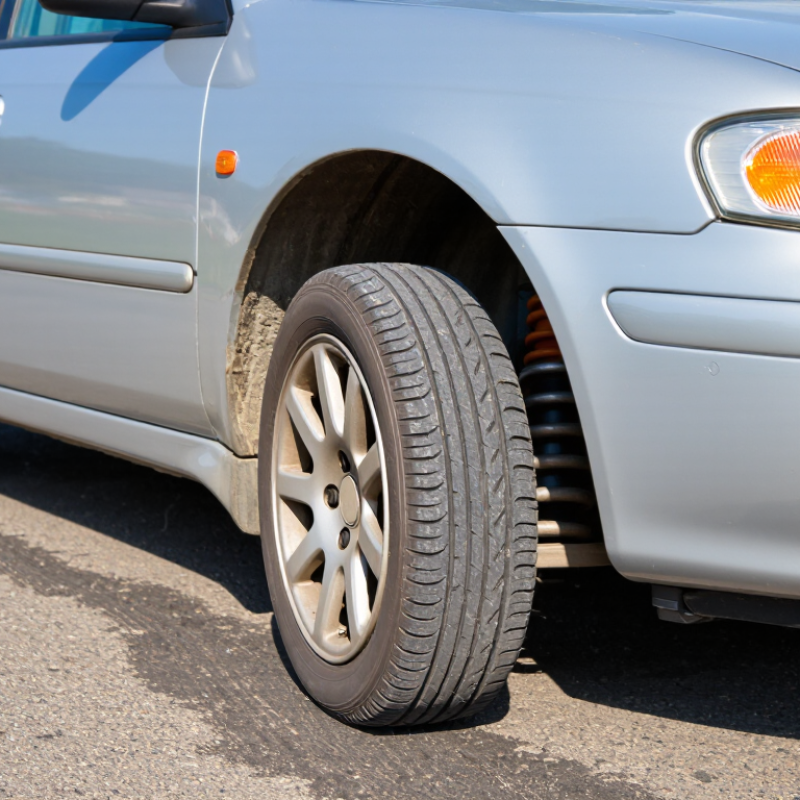
2026 Best Shock Absorbers Can a Bad One Ruin Your Tires?

How Shock Absorbers Control Wheel Movement and Tire Contact

Shock absorbers do more than soften bumps. They damp spring movement, helping each wheel settle after a pothole or dip. When a shock is worn, the tire may bounce repeatedly instead of staying planted. Less consistent contact can reduce grip, especially on uneven pavement or during a quick stop.

Look for uneven, scalloped patches across the tread, sometimes called cupping. A steering wheel that keeps trembling after a rough stretch can also be a clue. Not every worn tire points to a bad shock, though. Incorrect pressure, poor alignment, or worn suspension joints can create similar patterns. Tires can be frustratingly good at hiding the cause.

A practical check starts with a visual inspection for leaking fluid, damaged mounts, or a bent shock body. Then note whether the vehicle continues to bob after passing over a speed bump; it should settle promptly, not keep bouncing. Road-test impressions are useful, but they are not a diagnosis. Have a qualified technician inspect the suspension and tire wear together before replacing parts. One detail I might miss at home is movement inside a joint, which may only show under load.

Signs That a Failing Shock Absorber Is Damaging Your Tires

Signs That a Failing Shock Absorber Is Damaging Your Tires

A worn shock absorber can let a tire bounce instead of staying firmly planted on the road. Look closely at the tread: repeated dips or scalloped patches, often called cupping, may point to uncontrolled bouncing. Run your hand gently across the tread when the vehicle is parked. A rippled feel is worth checking, though uneven wear can also come from poor alignment, incorrect tire pressure, or worn suspension parts.

Notice how the car behaves. Does it keep bobbing after a speed bump? Does the steering wheel tremble on a smooth stretch, or does the vehicle feel less settled in a turn? These clues matter. So does a shock absorber that leaks oil, though a damp mark alone does not prove it has failed. Tires can wear unevenly for several reasons.

Check tire pressure with a gauge, and inspect all four tires in good light. Take clear photos of suspicious wear for comparison. If cupping is pronounced, or the car continues bouncing, have a qualified technician inspect the shocks, alignment, and suspension together. Replacing tires without correcting the cause may leave you with the same wear again. A tire can look acceptable from the side and still have damaged tread.

How Bad Shocks Create Uneven Tread Wear and Handling Problems

Worn shock absorbers can let a tire bounce instead of staying firmly against the road. Each bounce briefly reduces contact, then pounds the tread back onto the pavement. Over time, this can create scalloped or cupped patches, often felt as a rhythmic hum or vibration. The wear may be uneven across one tire, though tire pressure, alignment, and worn suspension parts can cause similar patterns. Shocks are not always the culprit.

Handling may also feel less settled. The vehicle can nose-dive during braking, lean more in turns, or continue bouncing after a dip. On wet roads, reduced tire contact can make control less predictable. I once mistook a repeating tire hum for a wheel problem; the tread’s shallow dips told a different story. Still, tread marks alone cannot confirm failed shocks. A technician should inspect the suspension and check alignment before parts are replaced.

Tips: Look for oily shock bodies, uneven tread, or repeated bouncing after a firm push on each corner. Check tire pressure and rotate tires as recommended. If the vehicle keeps bouncing, pulls, or feels unstable, arrange an inspection soon. A quick driveway check helps, but it is not a diagnosis.

Key Features to Compare When Choosing the Best 2026 Shock Absorbers

When comparing the best 2026 shock absorbers, match the design to your vehicle and driving conditions. Check fitment, mounting style, and whether the unit is twin-tube or monotube. Twin-tube designs often suit everyday roads; monotube designs can respond more consistently under repeated heat and demanding use. That does not make one type best for every car. A heavy vehicle carrying tools needs different damping than a small commuter car.

Look beyond the label. Ask whether damping is fixed or adjustable, and check the manufacturer’s stated load and temperature range. A useful technical comparison measures how well a shock controls repeated wheel movement without harsh impacts. The U.S. National Highway Traffic Safety Administration reported 1,155 deaths in tire-related crashes in 2022; that figure does not attribute crashes to worn shocks, but it underscores why tire contact deserves attention. Inspect for oil seepage, cupped tread, and excess bouncing after a bump. Small clues matter.

Installation and condition matter as much as advertised performance. Replace shocks in axle pairs when appropriate, and inspect bushings, springs, and tires before blaming one component. Ask for test results under comparable conditions, not vague claims about “better handling.” Honestly, choosing by price alone is tempting—and sometimes wrong. A poor match may make the ride uncomfortable and allow tires to lose consistent contact over rough pavement.

How to Test, Replace, and Maintain Shock Absorbers for Tire Safety

Shock absorbers control wheel movement; they do not support the vehicle’s weight. When they weaken, a tire can bounce instead of staying planted, encouraging uneven wear and reducing grip on rough or wet roads.

Look for cupping, scalloped tread, fluid leaks on the shock body, or repeated bouncing after a bump.

One clue is not a diagnosis.

NHTSA recorded 646 traffic fatalities in crashes involving tire-related factors in 2022; that figure does not prove worn shocks caused those crashes, but it underlines why tire condition deserves attention.

For a basic check, park on level ground and inspect each tire’s tread and each shock for visible damage or oil. Pressing down on a corner and watching for repeated bouncing can reveal a problem, but modern suspension designs make this test imperfect.

A technician can inspect the suspension and assess tire wear more reliably. Ask for the findings, not just a replacement recommendation.

Replace shocks in axle pairs when inspection confirms failure, then check alignment and tire condition. Follow the vehicle maker’s service guidance; there is no universal replacement mileage.

Afterward, keep tires at the pressure listed on the driver-door placard, check pressure monthly when tires are cold, and rotate them according to the owner’s manual.

Small details matter. I have to admit, tread wear can look deceptively even at a glance.

FAQS

What do shock absorbers control?

They control spring and wheel movement after bumps, dips, and potholes. The tire should settle quickly and remain planted.

What symptoms may indicate worn shock absorbers?

Repeated bouncing, leaking fluid, trembling steering, and cupped tread can suggest wear. One symptom is not proof.

What does cupped tire tread look like?

The tread shows uneven, scalloped patches across its surface. Run your fingers across it slowly. The pattern may feel irregular.

Can tire wear have causes besides worn shock absorbers?

Yes. Incorrect pressure, poor alignment, worn joints, or damaged suspension parts can create similar wear. Tires often hide the real cause.

How can I perform a basic shock absorber check?

Park on level ground and inspect the tires and shock bodies. Look for oil, bent metal, or damaged mounts.

Is pressing down on the vehicle a reliable test?

It can reveal repeated bouncing, but modern suspension makes this check imperfect. A qualified technician can inspect movement under load.

What should I compare when choosing replacement shock absorbers?

Check vehicle fitment, mounting style, damping type, load range, and temperature range. Everyday cars may need different performance than heavily loaded vehicles.

Should shock absorbers be replaced in pairs?

Replace them in axle pairs when inspection confirms failure. Then check alignment, springs, bushings, and tire condition.

How can I maintain tire contact after replacement?

Keep cold tires at the door-placard pressure and check monthly. Rotate tires according to the owner’s manual.

Is price alone a good buying guide?

Not always. A cheap mismatch may create a harsh ride and inconsistent tire contact. I might choose by price too quickly. That deserves a second look.

Conclusion

Shock absorbers do more than soften bumps: they control how the wheels move and help keep the tires in steady contact with the road. When a shock begins to fail, the vehicle may bounce excessively, dip or sway during turns, or feel less stable when braking. These warning signs can also point to tire damage. So, can a bad shock absorber ruin your tires? Yes. Poor wheel control can cause uneven tread wear, reduce grip, and shorten tire life, especially when the problem is ignored.

Choosing suitable shock absorbers involves comparing factors such as vehicle compatibility, ride comfort, handling needs, durability, and intended driving conditions. Regularly inspect shocks for leaks, damage, and worn mounts, and check tires for unusual wear patterns. A simple bounce check may reveal a problem, but it cannot replace a professional inspection. If the vehicle continues to bounce or the tires wear unevenly, have the suspension assessed and replace faulty components promptly. Proper installation and routine maintenance help protect tire safety and support predictable handling.

Liam

Liam

Liam is a dedicated marketing professional with a profound expertise in the industry, where he excels at highlighting the unique advantages of our core products. With a keen understanding of market trends and consumer needs, Liam frequently updates our company’s professional blog, providing......