Suspension bushings quietly connect control arms, sway bars, and other components to your vehicle’s frame. They absorb road shocks, reduce vibration, and help the wheels follow the road accurately. When rubber hardens, cracks, or separates from its sleeve, handling can change gradually. That makes the problem easy to overlook.
If you have searched “what are the symptoms of worn suspension bushings,” you may notice clunking over speed bumps, uneven tire wear, wandering steering, or increased vibration. A vehicle may also feel loose during braking or acceleration. Sometimes, the steering wheel needs small corrections on a straight road. Not always.
These signs can resemble worn ball joints, damaged shocks, loose fasteners, or poor wheel alignment. An experienced technician should inspect the bushings with the vehicle safely raised, checking for tears, excessive movement, and fluid contamination. A visual inspection alone may miss internal separation. Road-test observations matter too, but they should never replace a proper mechanical assessment.
This guide explains seven practical symptoms and what they may indicate. It also separates normal aging from damage that requires prompt attention. Diagnosis is not perfectly predictable, especially on older vehicles. Road salt, heavy loads, heat, and driving habits can change bushing life. The clearest answer usually comes from combining careful inspection, tire evidence, steering feedback, and service records. Small noises deserve attention before they become expensive suspension problems.
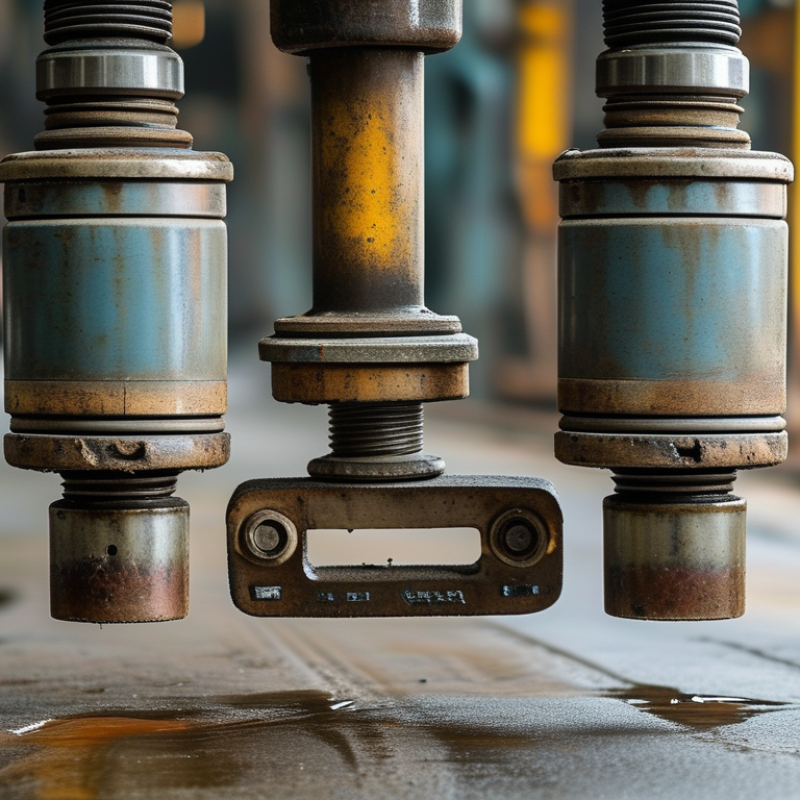
Suspension bushings are small, flexible parts that connect suspension components to the vehicle body or frame. They reduce road vibration, control movement, and prevent harsh metal-to-metal contact. Their rubber or polyurethane material allows limited flex during steering, braking, and cornering. That balance is important. Too much movement can change wheel alignment.
You can find bushings in several areas. Control-arm bushings sit between the control arm and its mounting points. Sway-bar bushings hold the stabilizer bar against the frame. Other bushings may support trailing arms, subframes, or shock absorbers. Their exact positions vary by suspension design, so a service manual remains useful. I have found that a bushing can look acceptable from above but show separation underneath.
Worn suspension bushings often cause clunking over potholes, vague steering, or a vehicle that drifts during braking. Uneven tire wear may appear along the tread edges. The car can also feel restless on grooved pavement. Sometimes, the noise is not from the bushing itself. Loose hardware or a worn joint can create similar symptoms. A careful inspection checks for cracks, swelling, torn rubber, and excessive movement with the suspension safely supported. A pry bar can reveal movement, but force alone should not decide the diagnosis. Building a complete picture is slower, and usually more accurate.
| Tip | Bushing or Location | What It Does | Common Symptoms When Worn | Practical Check or Action |
|---|---|---|---|---|
| 1 | Control-arm bushings | Connect the control arm to the vehicle body or subframe while allowing controlled suspension movement and reducing vibration. | Clunking or knocking over bumps, wandering during braking, uneven tire wear, or steering that feels less precise. | Inspect for cracks, separation, swelling, or excessive movement. A vehicle that pulls or changes direction under braking should be inspected promptly. |
| 2 | Sway-bar (stabilizer-bar) bushings | Secure the sway bar to the chassis and help control body roll during cornering. | Light rattling or squeaking over small bumps, increased body lean, and a less stable feeling in turns. | Check for visible splitting, compression, or a loose fit around the bar. Noise may also come from sway-bar end links, so both parts should be checked. |
| 3 | Trailing-arm bushings | Control fore-and-aft wheel movement while allowing the suspension to move through its designed range. | Rear-end steering effects, instability during acceleration or braking, clunks, and irregular rear-tire wear. | Look for torn rubber or excessive arm movement. A professional inspection may be needed because the bushing can fail internally without an obvious external tear. |
| 4 | Leaf-spring eye and shackle bushings | Attach leaf springs to the frame and allow the springs to flex while isolating road shock. | Rear suspension squeaks or knocks, a loose or bouncing rear end, uneven ride height, and visible movement around the spring mounts. | Inspect the front and rear spring eyes, shackles, and mounting hardware for cracked rubber, metal-to-metal contact, or displaced components. |
| 5 | Subframe or cradle bushings | Isolate the suspension subframe from the vehicle body and help maintain suspension geometry. | Multiple suspension noises, vibration through the floor, steering changes during acceleration, or a feeling that the body moves independently of the wheels. | Check for collapsed, cracked, or shifted bushings and inspect surrounding bolts. Diagnosis can require lifting the vehicle and measuring movement safely. |
| 6 | Steering-rack mounting bushings | Hold the steering rack securely while filtering vibration from the steering system. | Loose or delayed steering response, a knocking sensation when turning, steering-wheel vibration, or repeated need for correction. | With the vehicle safely supported, a technician can observe rack movement while the steering is loaded. Do not work beneath an inadequately supported vehicle. |
| 7 | General visual, tire, and road-test inspection | Combines physical inspection with driving symptoms to distinguish bushing wear from problems involving shocks, ball joints, tie rods, or wheel alignment. | Persistent noise, poor straight-line stability, uneven tire wear, harshness, or changes that become more noticeable during braking and cornering. | Inspect all related suspension parts, compare left and right sides, check tire wear and alignment, and replace damaged bushings before they affect handling or other components. |
Important: Suspension noise and handling problems can have several causes. A qualified technician should confirm the diagnosis, especially when steering control, braking stability, or tire wear is affected.
: Listen for a dull clunk over speed bumps or broken pavement. Steering may feel vague during lane changes. The vehicle might wander on a straight road. These signs matter.
No. Surface cracks alone may be harmless. Look for torn rubber, separation, shiny metal contact, or unusual movement. Diagnosis requires more than one clue.
A worn bushing can allow extra control-arm movement. The wheel may feel loose near center. Rough roads may send stronger feedback through the rim. Not every vibration has the same cause.
Yes, uneven shoulder wear can suggest changing suspension geometry. One tire edge may wear faster than the other. Check alignment and nearby suspension parts too.
The vehicle may nose down sharply during braking. The rear may squat during acceleration. These movements suggest possible suspension control loss. They are clues, not proof.
The vehicle must be safely supported, never by a basic jack alone. A technician checks rubber damage, metal contact, fasteners, alignment, and controlled movement. Pry-bar testing needs care.
Yes. A loose heat shield or stabilizer link can create a similar knock. A damaged mount or ball joint may also confuse the diagnosis. Sound alone is weak evidence.
Cold rubber may become less flexible temporarily. Squeaks or knocks can sound sharper on cold mornings. Temperature can confuse diagnosis. Record when the noise appears.
No. Older vehicles may have aged rubber, but age alone is insufficient. Road salt, heavy loads, potholes, and temperature changes also matter. My first diagnosis was imperfect.
Note the road surface, vehicle speed, weather, and noise location. Record braking, steering, or acceleration changes. A short description helps the technician avoid guessing. Small details matter.
Suspension bushings are flexible components that connect parts of the suspension system while reducing vibration, noise, and harsh movement. Located around control arms, stabilizer bars, and other mounting points, they gradually wear from age, heat, road impact, and exposure to the elements. Understanding what are the symptoms of worn suspension bushings can help drivers identify problems early. Common warning signs include clunking or squeaking noises, excessive vibration, uneven tire wear, loose or wandering steering, poor handling during turns, increased braking movement, and visible cracking or separation in the rubber.
A mechanic can diagnose worn bushings through a visual inspection, suspension movement tests, and a road test to reproduce unusual sounds or handling issues. Replacement is recommended when bushings are badly cracked, distorted, loose, or affecting vehicle stability. Addressing the problem promptly can prevent additional wear to tires, steering, and suspension components. Regular inspections, careful driving over rough surfaces, and following a consistent maintenance schedule can help extend bushing life and support safer, smoother handling.

 Sedo Auto