When drivers ask, “why is my car pulling to one side when driving,” they often expect a simple alignment answer. The cause may be less obvious. Uneven tire pressure, a damaged tire, worn suspension parts, or a sticking brake can all change the vehicle’s direction. Even a sloped road can create a mild drift.
John Ibbotson, chief mechanic at Consumer Reports, offers a useful warning: “A car that pulls to one side can be a sign of an alignment problem, but it can also indicate a tire issue.” That distinction matters. A front tire with five pounds less pressure may feel like a steering fault. A tire with internal damage can look normal while hiding a serious risk. Small details matter.
A careful diagnosis starts in the driveway. Check tire pressures when the tires are cold, then inspect the tread for uneven wear, bulges, or embedded objects. Notice when the pull happens. Does it appear during braking? Does the steering wheel sit crooked? Does the car drift only on certain roads? These clues can prevent an expensive guess.
Not every pull means immediate mechanical failure. Still, ignoring a worsening pull is poor judgment. I would not treat a vibrating steering wheel, burning smell, or sudden drift as a minor annoyance. Those symptoms deserve professional inspection. This guide explains practical checks, likely causes, repair choices, and the moments when driving farther may be unwise.
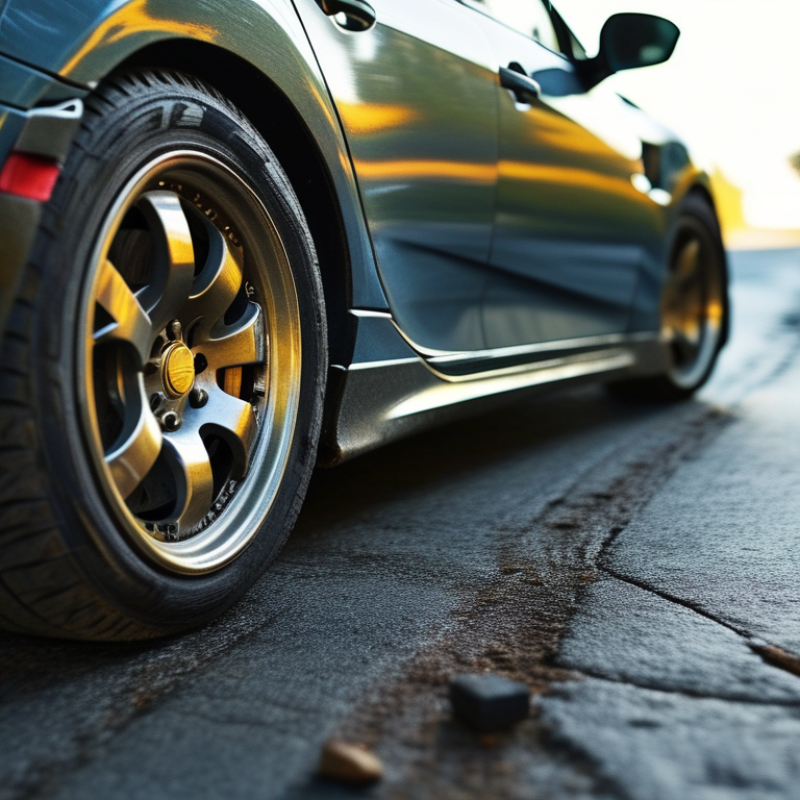
A car that drifts left or right does not always have the same problem. Notice when it happens. On a flat, quiet road, does the steering wheel move without your hands? Does the vehicle wander only above highway speed? Record whether the pull is constant, mild, or sudden. Small details matter. A road’s normal crown can create a gentle drift, but a strong pull deserves attention. If the wheel shakes, the car feels unstable, or control changes quickly, reduce speed and stop safely.
Check tire pressures when the tires are cold, then compare them with the vehicle placard. One underinflated tire can make the car feel heavy on that side. Uneven tread wear, a bulge, or a damaged wheel also matters. If pulling appears mainly during braking, a sticking brake caliper or uneven brake friction may be involved. The car may also dip toward one side. Do not keep testing it in traffic.
A pull during acceleration can point toward worn suspension or driveline components. A pull after bumps may suggest loose steering or damaged suspension parts. Alignment is possible, but it should not be the automatic answer. A skilled technician should inspect the tires, brakes, steering, and suspension before measuring alignment. Describe the exact road, speed, weather, and pedal use. I have found that drivers often miss wind and road slope, yet ignoring a changing pull can be the bigger mistake. Ask for measured findings, not guesses.
How to Fix a Car Pulling to One Side When Driving?
A vehicle that drifts sideways may have a tire problem before an alignment problem. Check all four tires when they are cold. Use the pressure listed in the owner’s manual or on the vehicle information label. Do not copy the maximum pressure printed on the tire sidewall. Even a small pressure difference can change steering feel. A slow leak may be hiding around the valve, tread, or bead. Check again after several days.
Inspect the tread closely. Uneven shoulder wear, cupping, or a bald strip can create a noticeable pull. Run your hand lightly across the tread, but stop if you find exposed cords or sharp damage. Look for nails, bulges, cuts, and sidewall cracks. Wheel damage matters too. A bent rim may follow a pothole impact and cause vibration, air loss, or steering drift. It is easy to blame alignment too quickly. That mistake can waste money while a damaged tire remains unsafe.
Tips: Park on level ground. Compare left and right pressure with a reliable gauge. Measure tread depth across several points. If the pull changes after rotating tires, tire wear may be involved. Never test this at high speed. A technician should inspect severe wear, wheel bends, or repeated pressure loss. I would not ignore a mild pull; road slope can confuse the diagnosis, but a consistent drift deserves a careful check.
A car that drifts right on a level road may have an alignment problem, but do not blame alignment immediately. Check all four tire pressures first, using the door-jamb specification. The U.S. Department of Energy’s Vehicle Technologies Office reports that fuel economy can fall by about 0.2% for every 1 psi of underinflation. Uneven pressure can also create a noticeable pull and a soft steering response. Inspect tread wear closely. Feathered edges, cupping, or one-sided wear provide useful clues.
Next, inspect steering and suspension components. A technician should check tie-rod ends, ball joints, control-arm bushings, wheel bearings, and struts for looseness or leakage. A worn component can change toe or camber while driving. Alignment readings from a 2023 automotive service industry report show that toe and camber are frequent correction points during wheel-alignment work. However, a perfect printout does not prove the vehicle is safe. I have seen vehicles pass a basic alignment check while a loose bushing remained the real fault. That mistake deserves reflection.
Tips: Test the pull on a flat, quiet road. Road crown can naturally guide a car toward the shoulder. Swap the front tires only after checking their condition and rotation direction. If the steering wheel sits crooked, braking causes extra drift, or the vehicle clunks over bumps, stop driving and arrange a professional inspection. The National Highway Traffic Safety Administration recommends regular tire-pressure checks and prompt attention to tire damage, since pressure and tire condition directly affect handling.
A car that pulls during braking may have uneven resistance, not merely an alignment problem. Start on a quiet, level road. Check tire pressures first, because unequal pressure can imitate brake trouble. Then brake gently from low speed. Notice whether the steering moves only under braking or during normal cruising.
A sticking caliper, restricted flexible hose, contaminated pad, or seized slide pin can slow one wheel. After a short drive, park safely and compare wheel temperatures with an infrared thermometer. One wheel reading much higher than its opposite side suggests brake drag. Never touch the rotor directly. It may be extremely hot. Inspect pad thickness on both sides, since uneven wear provides useful evidence. A professional inspection should include hydraulic pressure, caliper movement, and rotor condition.
Federal Motor Vehicle Safety Standard 135 requires passenger vehicles to meet defined service-braking performance, but it does not diagnose every uneven fault. NHTSA recorded 42,514 U.S. traffic fatalities in 2022; its data does not isolate brake pull, yet it reinforces the need for prompt repairs. I would not keep driving if the vehicle pulls sharply, smells hot, or changes direction suddenly. My first diagnosis can be wrong. Road crown, tire defects, and suspension damage may also contribute. A documented temperature comparison and brake inspection create more reliable evidence.
After correcting a car that pulls right, confirm the repair with a controlled road test. Do not trust the steering wheel alone.
Choose a quiet, straight road with dry pavement. Check tire pressures first, using the vehicle’s recommended cold pressures. NHTSA’s Traffic Safety Facts 2017 reported 738 deaths in tire-related crashes, so this step deserves careful attention. Drive at a steady 25 to 35 mph, then briefly relax your grip without removing your hands. The vehicle should track straight, without drifting or sudden steering movement. Watch the wheel, but also feel the seat and pedals. Uneven vibration may reveal a wheel or suspension problem that alignment alone cannot fix.
Repeat the test in both directions on the same road. Road slope can make a healthy car appear to pull. I once blamed alignment before noticing a slightly lower front tire. That mistake was obvious afterward. If the pull changes during braking, perform a gentle brake test in a safe area. A dragging caliper or uneven braking force may be involved. The repair is more convincing when steering effort, tire response, and braking behavior all improve. Record tire pressures, road conditions, speed, and the technician’s measurements. A controlled road test is evidence, not a feeling.
| Test Stage | Data Dimension | Initial Observation | Measurement or Check | Repair Guidance | Post-Repair Result |
|---|---|---|---|---|---|
| 1. Safety Setup | Road and weather conditions | Dry pavement; light crosswind; moderate traffic | Select a straight, level road and avoid strong wind, heavy traffic, standing water, and visibly sloped lanes. | Delay the test if conditions can influence the vehicle's direction. | Suitable test conditions |
| 2. Tire Inspection | Cold tire pressure | Left front: 31 psi; right front: 34 psi | Compare all four cold-tire readings with the pressure shown on the vehicle placard or owner's manual. | Correct pressure when the tires are cold. Do not use the maximum pressure molded into the sidewall as the vehicle setting. | All tires: 34 psi |
| 3. Tire Inspection | Tread wear and tire condition | Right-front tread: 4.1 mm; mild inner-edge wear | Check tread depth across the tread, sidewall damage, bulges, punctures, and uneven or cupped wear. | Repair or replace a damaged tire. Investigate uneven wear before changing wheel alignment. | No damage found; wear recorded for monitoring |
| 4. Wheel and Brake Check | Wheel rotation and brake drag | Right-front wheel felt warmer after a short drive | Compare wheel temperatures only after an equal drive, without applying the brakes immediately before inspection. Check for caliper drag and bearing noise. | Service a sticking brake, restricted hose, or damaged bearing before alignment work. | Brake drag corrected; temperatures more even |
| 5. Steering and Suspension | Loose or worn components | No visible fluid leak; slight play suspected at the left tie-rod end | Inspect tie-rod ends, ball joints, control-arm bushings, struts, springs, and steering linkage with the vehicle safely supported. | Replace worn or damaged parts before setting alignment angles. | Tie-rod end replaced; no remaining looseness |
| 6. Alignment Check | Camber, caster, and toe | Front toe: left +0.18°; right +0.02°; steering wheel off-center by approximately 4° | Measure alignment with the vehicle at normal ride height and compare every angle with the vehicle-specific specification. | Adjust only within the specified range. If an angle cannot be corrected, inspect for bent or incorrectly installed parts. | Toe balanced; steering wheel centered |
| 7. Controlled Road Test | Straight-line drift | Vehicle moved approximately 1.5 m to the right over 100 m at 60 km/h | On the same road, maintain a relaxed grip and record direction and distance of drift. Repeat in both travel directions. | A road crown can create a small drift. Compare both directions before identifying a mechanical fault. | Less than 0.3 m over 100 m in either direction |
| 8. Controlled Road Test | Steering-wheel position | Wheel required a visible rightward correction | Drive at a steady speed on a straight section and observe whether the steering wheel remains centered without continuous correction. | If the vehicle tracks straight but the wheel is crooked, recheck steering-wheel centering and toe adjustment. | Wheel remains visually centered |
| 9. Braking Verification | Directional stability during braking | Slight rightward movement during moderate braking | At a safe location and moderate speed, apply the brakes smoothly while keeping both hands on the steering wheel. | If the vehicle pulls only while braking, inspect brake balance, calipers, hoses, pads, rotors, and suspension components. | Stops straight without steering correction |
| 10. Final Confirmation | Repeatability and customer symptom | Pull was repeatable before repair | Repeat the original route, speed, road direction, and braking observations. Confirm that no vibration, noise, warning light, or abnormal tire behavior remains. | Document the final readings and advise the driver to monitor tire wear and pressure regularly. | Repair confirmed by controlled road test |
Road slope can cause a gentle drift. Uneven tire pressure, worn tread, or alignment issues may create a stronger pull.
Check all four cold tire pressures against the door-jamb specification. Inspect for bulges, damaged wheels, feathered edges, cupping, or one-sided wear.
If the vehicle pulls mainly during braking, uneven brake friction or a sticking caliper may be involved. The car may dip toward one side.
Worn suspension or driveline components may affect tracking during acceleration. Pulling after bumps can suggest loose steering or damaged suspension parts.
A technician should check tie-rod ends, ball joints, control-arm bushings, wheel bearings, and struts. Loose parts can change wheel angles while driving.
Use a quiet, straight road with dry pavement. Drive steadily at about 25 to 35 mph, keeping both hands ready.
Yes. Test both directions on the same road because slope may imitate a vehicle pull. Watch the wheel and feel the seat and pedals.
No. A perfect printout can hide a loose bushing or damaged suspension part. That possibility deserves reflection.
Stop if the wheel shakes, control changes quickly, braking causes extra drift, or the vehicle clunks over bumps. Do not keep testing in traffic.
If you are wondering, “why is my car pulling to one side when driving,” begin by observing when the problem occurs, such as during acceleration, braking, or steady cruising. Note whether the pull is constant or affected by road surfaces. Check the tire pressure on all wheels, look for uneven tread wear, and inspect the tires and wheels for visible damage. Unequal pressure or worn components can easily affect the vehicle’s direction and stability.
If the tires appear normal, have the wheel alignment, steering parts, and suspension components inspected for looseness, wear, or damage. The braking system should also be tested to ensure one wheel is not creating excessive resistance. After repairs or adjustments, complete a controlled road test in a safe area. Confirm that the vehicle tracks straight, the steering wheel remains centered, braking feels even, and no unusual noise or vibration remains. Addressing the issue promptly can improve handling, reduce further wear, and support safer driving.
Sedo Auto