A worn ball joint can announce trouble with a dull clunk, a sharp knock, or a brief squeak from the front suspension. The sound may appear when you turn into a driveway, cross a speed bump, or shift the vehicle’s weight during braking. Drivers often ask, “what does a failing ball joint sound like?” The honest answer is that no single noise confirms a fault. Similar sounds can come from loose brake parts, worn bushings, or other suspension components.
Pay attention to when the noise occurs, where it seems to come from, and whether steering or tire wear has changed. A clunk over uneven pavement, paired with looseness in the steering, deserves prompt attention. So does a joint that shows visible damage or excessive movement during a professional inspection. Don’t rely on sound alone. A quiet joint can still be unsafe, and a noisy vehicle may have a different problem.
This guide explains common ball-joint noises, what conditions may trigger them, and how technicians check for wear. It also covers signs that call for stopping the vehicle and arranging an inspection. These clues can help you describe the problem clearly, but they cannot replace a hands-on diagnosis. I’ve seen symptom lists treated like a verdict; that shortcut can miss the real cause. Listen carefully, note the conditions, and have a qualified mechanic inspect the suspension if the noise persists.
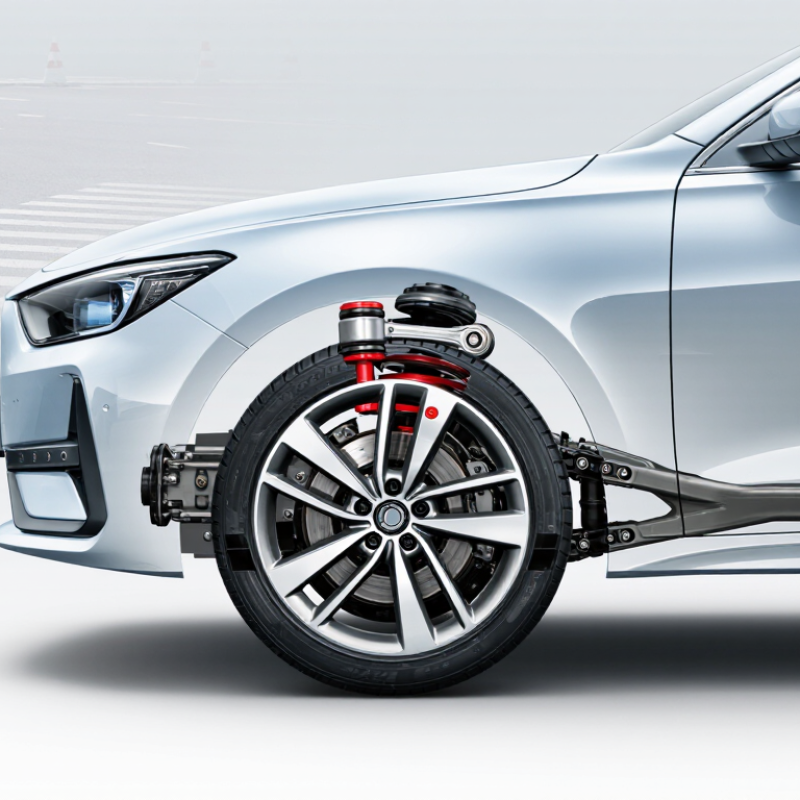
What a Ball Joint Does in a Vehicle’s Suspension
A ball joint is a pivot between the control arm and steering knuckle. Its steel ball and socket let the wheel turn left or right while moving up and down over bumps. Think of it as a compact hinge that must allow motion without letting the wheel wobble. Suspension layouts differ: some joints carry vehicle weight, while others mainly guide movement.
When a joint wears, excess clearance can let the wheel shift slightly. You may hear a dull knock over potholes or feel vague steering. Sometimes there is no clear sound. A clunk proves little. Worn bushings, loose fasteners, or other suspension parts can make similar noises, so sound alone cannot identify the fault. A technician checks for play and inspects the joint and nearby components; the method depends on the vehicle’s design.
The stakes are practical, not just noisy. A loose joint can affect steering control and tire alignment, and severe wear may allow the connection to separate. The National Highway Traffic Safety Administration’s 2023 Traffic Safety Facts report records 40,901 U.S. traffic deaths, but it does not isolate ball-joint failures. That figure is not a component-risk estimate. If a knock repeats, or steering feels unstable, arrange an inspection rather than guessing from sound.
How Wear Inside a Ball Joint Creates Noise
Wear inside a ball joint often begins as tiny clearance between the stud and its socket. As the protective boot ages or tears, grease can escape and grit may enter. The joint then loses its smooth, tight movement. That play matters.
When the suspension shifts over a pothole or driveway edge, the loose stud can tap against the socket. Drivers may hear a dull clunk near a front wheel, especially at low speed. Turning can change the load on the joint, making the noise appear or disappear. Listen closely. A creak may also occur as worn surfaces move, but noises from nearby suspension parts can sound similar.
Sound alone is an imperfect witness. A ball joint may be worn without making an obvious noise, and a clunk does not prove the joint is faulty. A trained technician can inspect for looseness, damaged boots, and uneven movement using the vehicle maker’s service procedure. Don’t judge it by pushing the wheel or listening from inside the cabin alone. If the noise is worsening, or steering feels loose, arrange an inspection soon; a badly worn joint can affect control. I’ve found that the tricky part is matching a brief sound to the part that made it.
2026 How to Tell What a Failing Ball Joint Sounds Like? - How Wear Inside a Ball Joint Creates Noise
| Sound or Symptom |
How Internal Wear Can Cause It |
When It May Be Heard or Noticed |
What to Check |
| Clunk or knock |
Wear between the ball stud and its bearing surface can create excess clearance. The joint may knock as suspension loads shift and the stud moves within the housing. |
Often noticed over bumps, rough pavement, or when the vehicle’s weight shifts during braking or acceleration. |
A technician can inspect the joint for looseness using the vehicle maker’s specified procedure. Other suspension parts can also clunk. |
| Squeak or creak |
A damaged dust boot can let contamination in and lubricant out. Increased friction in a worn joint may produce a squeak or creak as the joint articulates. |
May occur while turning slowly, maneuvering into a parking space, or moving the suspension over uneven ground. |
Look for a torn boot, grease leakage, or contamination. Some joints are sealed and are not designed to be lubricated separately. |
| Repeated tapping or rattling |
A joint with significant play may move repeatedly as the wheel and suspension respond to small road irregularities. |
Can be more apparent at low speeds on broken pavement, but the sound varies with suspension design and the location of the worn joint. |
Have the suspension checked rather than identifying the joint by sound alone; loose fasteners, links, or other joints can sound similar. |
| No obvious noise |
A ball joint can wear without producing a clear sound. Noise depends on the amount and type of wear, joint loading, and surrounding components. |
The vehicle may instead show steering looseness, wandering, or uneven tire wear—or may have no noticeable symptom at first. |
Use a proper inspection and the vehicle manufacturer’s wear limits; absence of noise does not confirm that a joint is in good condition. |
| Steering looseness or uneven tire wear |
Excess movement in a worn joint can affect wheel control and alignment, potentially contributing to imprecise steering or irregular tire wear. |
May develop gradually and can occur with or without a clunk or squeak. |
Arrange a prompt suspension inspection. If steering control changes significantly or the wheel feels unstable, avoid driving until the vehicle is assessed. |
Important: A sound alone cannot confirm a failing ball joint. Similar noises can come from other suspension, steering, brake, or wheel components. Have suspected looseness or damage inspected by a qualified technician.
When and Where a Failing Ball Joint Usually Sounds
A failing ball joint often speaks up at low speed, when the suspension moves over a driveway lip, pothole, or speed hump. Listen near the affected wheel for a dry knock or clunk as the tire rises and drops. It may also click or knock while turning slowly into a parking space. The sound is usually clearest outside the car, beside the wheel—not always inside the cabin.
Braking and acceleration can shift weight across the suspension, making a loose joint knock once as the load changes. On rough pavement, repeated rattling may point to looseness, though worn bushings, links, or strut mounts can sound similar. A sound’s location can fool you. Road noise travels through the body.
The TÜV Report 2024 found significant defects in 20.6% of cars aged 10–11 years. That figure covers vehicles overall, not ball joints specifically, but it supports checking older suspension components rather than guessing from noise alone. If the clunk grows louder, or steering feels loose, have a qualified technician inspect the joint and nearby parts. A quiet driveway test can mislead. Check under load, too.
How to Distinguish Ball Joint Noise from Other Sounds
A failing ball joint often produces a dull clunk when a wheel crosses a pothole or driveway edge. It may also creak or pop as the steering turns, especially at low speed. The sound can seem to come from the wheel area, but suspension parts transmit noise through the chassis. No sound is definitive.
Compare when the noise happens. A loose sway-bar link often rattles over repeated, small bumps. A worn strut mount may groan while steering at a standstill. A clicking sound during a tight turn under power more often points toward a CV joint. A wheel bearing usually makes a steady hum that rises with road speed. Brake noise tends to change when you press the pedal. Patterns help, but they can overlap.
Notice whether the clunk occurs while turning, braking, or driving straight over rough pavement. That detail can help narrow the cause, though sound alone cannot confirm it. A proper inspection checks for looseness with the suspension safely supported and examines nearby components too. It is easy to blame the ball joint and miss a worn bushing. If the steering feels loose or the wheel shifts, avoid driving farther than necessary and arrange a prompt inspection.
How to Tell What a Failing Ball Joint Sounds Like
Compare the situations that commonly bring out each noise. A worn ball joint often clunks over bumps or while steering at low speed.
Typical clue strength is a qualitative guide, not measured test data. A clunk is not enough to identify the cause; have a technician inspect the suspension and steering components.
How to Check Whether the Ball Joint Is Failing
A failing ball joint may clunk when the tire crosses a pothole or a raised driveway edge. You might also hear a squeak while turning slowly. These sounds are clues, not proof. Worn bushings, loose fasteners, or a damaged wheel bearing can sound similar. Some joints make little noise before looseness becomes noticeable.
Park on firm, level ground and secure the vehicle before inspecting it. Follow the vehicle’s service instructions for lifting points; never rely on a jack alone. Look for a torn rubber boot, escaping grease, rust, or visible damage. With the wheel safely raised, hold it at the 12 and 6 o’clock positions and gently rock it. Noticeable movement may indicate wear, but a wheel bearing can cause similar play. A controlled check with a pry bar may help, though the correct method depends on the suspension design. This check is not perfect. If you are unsure, have a qualified mechanic inspect the joint before driving much farther.
Tips: Listen over bumps, then check the joint and nearby parts rather than guessing from sound alone. Stop driving if the wheel feels loose or handling changes suddenly.
Conclusion
A ball joint connects the suspension components and allows the wheel to move as the vehicle steers and travels over uneven surfaces. As the joint wears, looseness and friction can create sounds such as a dull clunk, knock, or creak. Drivers asking “what does a failing ball joint sound like” may notice the noise most when going over bumps, turning slowly, or moving in and out of a driveway. The sound can vary depending on the amount of wear and the vehicle’s suspension design.
Because other suspension or steering problems can make similar noises, sound alone cannot confirm the cause. Listen for when and where the noise occurs, and look for related signs such as uneven tire wear, vague steering, or excess movement in the wheel. A careful inspection can help identify a loose or damaged joint, but a qualified technician should assess any suspected failure promptly.

 Sedo Auto