A fuel injector can fail quietly, then turn a smooth commute into a rough, expensive drive. It meters fuel through a tiny nozzle, often under high pressure, while the engine control unit adjusts delivery within milliseconds. When deposits, electrical faults, worn seals, or contaminated fuel interrupt that process, the symptoms may appear gradually. The check-engine light may be the first clue. A shaky idle, hard starting, weak acceleration, increased fuel use, or a sharp fuel smell can follow.
The question “what happens when a fuel injector goes bad” deserves more than a quick parts estimate. A leaking injector can create a rich mixture, while a restricted injector may leave one cylinder running lean. Both conditions can increase combustion stress and damage emissions components if ignored. The U.S. Environmental Protection Agency’s Automotive Trends Report shows how modern vehicles rely on precise fuel and emissions control to meet increasingly demanding efficiency targets. SAE technical research also links injector deposits with spray-pattern changes and unstable combustion, although real-world symptoms vary by engine design, mileage, and maintenance history.
This guide uses practical diagnostic logic, manufacturer service principles, and evidence from recognized automotive sources, including Bosch technical guidance, SAE publications, and EPA data. It will separate injector symptoms from ignition, vacuum, fuel-pump, and sensor problems. That distinction matters. A rough engine does not automatically mean a bad injector. I have seen misdiagnoses happen when one fault code becomes the entire investigation. Testing fuel pressure, injector balance, wiring resistance, and cylinder performance gives a stronger answer than replacing parts blindly. The details may feel small, but that tiny spray pattern can decide whether an engine runs cleanly or struggles every morning.
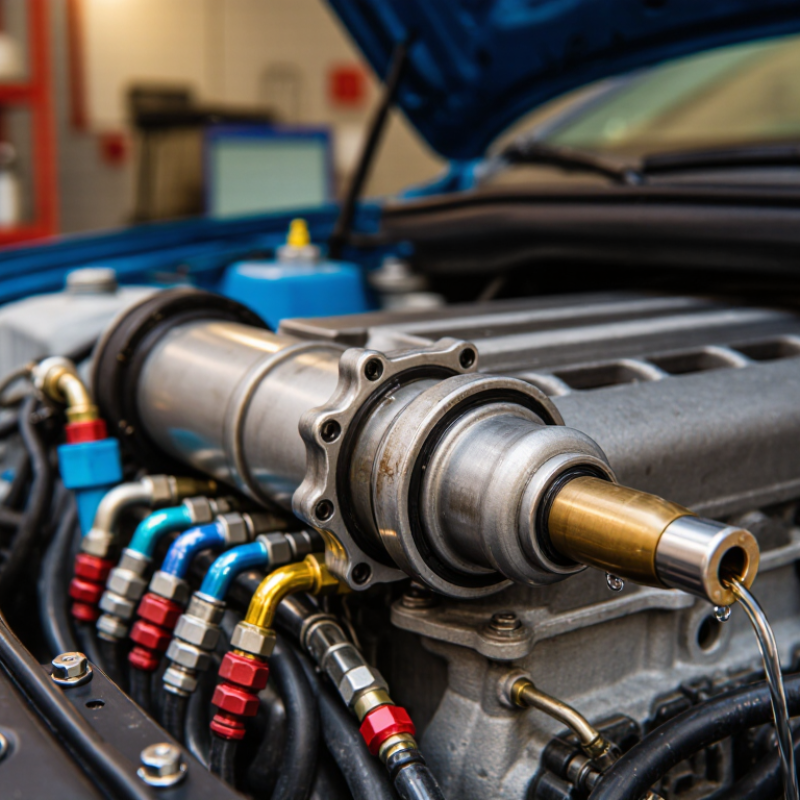
How to Tell if a Fuel Injector Goes Bad in 2026?
Fuel injectors meter fuel into the engine’s intake or combustion chamber. Their spray pattern must remain fine, even, and correctly timed. A healthy injector supports smooth combustion, stable idle, quick acceleration, and lower fuel waste. The U.S. Environmental Protection Agency’s 2024 Automotive Trends Report places average new-vehicle fuel economy near 27 miles per gallon for the 2022 model year. Precise fuel delivery helps manufacturers reach such efficiency targets.
A failing injector may cause hard starting, rough idling, hesitation, or a sharp fuel smell. Black exhaust can suggest excessive fuel. A lean misfire may feel like shaking under load. Do not trust one symptom alone. Spark problems, vacuum leaks, and weak fuel pressure can feel similar.
Listen closely.
A practical check begins with a scan tool, fuel-trim readings, and a cylinder balance test. Professional diagnostic data can reveal whether one cylinder behaves differently. The U.S. Department of Energy’s vehicle efficiency guidance emphasizes accurate fuel control as a core factor in reducing consumption and emissions. Still, readings can mislead when sensors are aging. I have seen drivers replace injectors unnecessarily after ignoring a damaged connector. Inspect wiring, seals, and fuel pressure before spending money. A clean-looking injector can still have a poor internal spray pattern, so bench testing remains the more reliable confirmation.
| Data Dimension | Typical Healthy Condition | Possible Bad Injector Condition | What the Symptom May Indicate | Recommended Verification | Urgency |
|---|---|---|---|---|---|
| Engine starting | Starts promptly without extended cranking after the engine has been sitting. | Long cranking, hard starting, or repeated starting attempts. | An injector may be restricted, electrically inactive, or leaking fuel after shutdown. | Check fuel pressure during cranking, inspect injector electrical signals, and perform a leak-down test. | Medium |
| Idle quality | Stable idle speed with minimal vibration and no repeated misfire. | Rough idle, shaking, unstable engine speed, or intermittent stalling. | Uneven fuel delivery can create a lean or rich mixture in one cylinder. | Scan for misfire data, compare cylinder contribution, and inspect injector balance. | High |
| Acceleration response | Smooth power delivery without hesitation during gradual or rapid acceleration. | Hesitation, stumbling, surging, or reduced throttle response. | Insufficient injector flow or poor spray quality may limit fuel delivery under load. | Review fuel trims and misfire counts during a road test; test injector flow if required. | Medium |
| Engine misfire | No recurring cylinder-specific misfire under normal operating conditions. | Repeated misfire affecting one cylinder or multiple cylinders. | A clogged injector, open circuit, short circuit, or leaking injector can cause combustion instability. | Read diagnostic trouble codes, then rule out ignition, compression, and wiring faults before replacing the injector. | High |
| Fuel economy | Fuel consumption remains consistent for the vehicle, route, and driving conditions. | Unexpected increase in fuel consumption. | An injector that leaks or delivers too much fuel can create a rich mixture. | Compare fuel-trim values, inspect for fuel odor, and check injector leakage with the fuel system pressurized. | Medium |
| Exhaust appearance | Gasoline-engine exhaust is generally clear after warm-up under normal conditions. | Dark or sooty exhaust smoke, especially during acceleration. | Excess fuel may be entering the combustion chamber. | Check air-fuel data, oxygen-sensor readings, fuel pressure, and injector operation. | High |
| Exhaust odor | No strong raw-fuel smell from the exhaust or engine compartment. | Persistent raw-fuel odor or fuel smell after the engine is switched off. | A leaking injector, damaged seal, or fuel-line problem may be allowing unburned fuel to escape. | Stop operating the vehicle if a fuel leak is suspected; inspect the fuel rail, injector seals, and connections. | High |
| Engine oil condition | Oil level remains stable and the oil has no noticeable fuel odor. | Oil level rises or the oil smells strongly of gasoline. | A leaking injector can allow fuel to enter the cylinder and dilute the engine oil. | Repair the fuel fault promptly and change contaminated oil and the oil filter as recommended by a qualified technician. | High |
| Diagnostic trouble codes | No injector-circuit or recurring cylinder-misfire codes. | Codes related to injector circuits, cylinder misfires, or mixture correction. | The engine control module has detected an electrical or combustion-related abnormality. | Record freeze-frame data and test wiring, connector condition, injector resistance, and control signals. | Medium |
| Injector electrical resistance | Resistance is within the vehicle manufacturer’s specified range and consistent with similar injectors. | Open circuit, short circuit, or a significant difference from the specified value. | The injector coil or internal electrical components may be damaged. | Measure resistance with the injector disconnected and compare it with the service specification; do not rely on a universal value. | High |
| Injector balance | Tested injectors show closely matched fuel-delivery changes under the same test conditions. | One injector delivers noticeably less or more fuel than the others. | Deposits, internal wear, a damaged pintle, or an electrical fault may be affecting flow. | Use a professional injector balance or flow test with correct safety procedures. | Medium |
| Fuel pressure behavior | Pressure reaches and holds the specified level for the vehicle. | Pressure drops unusually quickly after the pump stops or does not reach specification. | An injector may be leaking, although the fuel pump, regulator, check valve, or fuel lines can cause similar results. | Perform a pressure-hold test and isolate the injector circuit from other fuel-system components. | Medium |
| Spray pattern | Even, finely atomized spray pattern during a controlled bench test. | Dribbling, uneven spray, weak flow, or no spray. | Contamination, internal blockage, mechanical damage, or a failed coil may be present. | Remove and bench-test the injector using approved equipment; avoid testing open fuel systems near ignition sources. | Medium |
| Engine warning light | Warning light remains off during normal operation. | Warning light appears, flashes, or returns after clearing codes. | The control system may have detected a misfire, mixture issue, or injector circuit fault. | A flashing warning light generally requires reducing load and stopping as soon as it is safe to prevent catalytic-converter damage. | High |
| Common service life factors | Clean fuel, correct filtration, stable electrical supply, and regular maintenance. | Contaminated fuel, water in fuel, neglected filters, overheating, or prolonged deposits. | Injector problems are influenced by fuel quality and system condition, not only mileage. | Inspect fuel quality and filters, correct the root cause, and follow the vehicle’s maintenance schedule. | Preventive |
Note: Injector symptoms can overlap with faults in the ignition system, fuel pump, fuel-pressure regulator, air-intake system, sensors, wiring, or engine compression. Confirm the diagnosis with vehicle-specific service specifications and appropriate testing equipment before replacing an injector.
It meters fuel into the engine’s intake or combustion chamber. Its spray should be fine, even, and correctly timed. Small details matter.
Common signs include hard starting, rough idling, hesitation, and slow acceleration. A sharp fuel smell may also appear. Black exhaust can indicate excessive fuel. One symptom never proves injector failure.
Yes, restricted or poorly timed fuel delivery can cause misfires. A lean misfire may feel like shaking under load. Spark faults and vacuum leaks can feel similar. The shaking is a clue, not a verdict.
Check fault codes, spark plugs, intake leaks, fuel pressure, and compression. A wet plug may suggest excess fuel. A dry plug may indicate missing fuel delivery. Do not ignore a weak valve spring.
No. A warm injector should produce an even clicking sound. However, normal clicking does not guarantee a clean spray pattern. Internal restriction may remain hidden.
Use a scan tool, fuel-trim readings, and a cylinder balance test. Professional testing can compare each cylinder’s contribution. Fuel-pressure observation also helps. Bench testing offers more reliable confirmation.
Resistance testing can reveal electrical problems. Compare readings with the vehicle’s service specification. Still, resistance alone can mislead you. An injector may measure correctly but spray poorly.
Inspect wiring, connectors, seals, spark plugs, and fuel pressure. Damaged insulation can imitate injector failure. A loose connector may cause intermittent symptoms. I have blamed an injector too quickly before. That mistake cost money.
If the misfire moves with the injector, suspicion becomes stronger. This result still needs supporting tests. Recent repairs, fuel quality, and engine temperature can affect diagnosis. Measured evidence beats guesswork.
A fuel injector delivers a precise amount of fuel into the engine so combustion remains efficient, smooth, and responsive. When asking what happens when a fuel injector goes bad, common results include rough idling, hard starting, hesitation during acceleration, reduced power, poor fuel economy, misfiring, or an illuminated warning light. In severe cases, the engine may stall or produce unusual exhaust odors because the air-fuel mixture becomes too rich or too lean.
A proper inspection should begin with a visual check for leaks, damaged wiring, loose connections, or contamination. Testing may include listening for injector operation, checking electrical resistance, evaluating fuel pressure, and comparing cylinder performance. Because similar symptoms can come from faulty spark components, sensors, fuel pumps, or air leaks, accurate diagnosis is essential. Depending on the condition, an injector may be cleaned, repaired, or replaced. Regular maintenance, clean fuel, timely filter changes, and prompt attention to warning signs can help prevent further engine damage and maintain reliable performance in 2026.

 Sedo Auto