A steering rack is essential for vehicle control and handling. Symptoms of wear can be subtle, making it difficult for drivers to recognize when action is needed. According to the Automotive Service Association, approximately 20% of vehicle repairs are related to steering and suspension. Knowing how to tell if your steering rack needs replacement is crucial for maintaining safety.
Common signs include difficulty in steering, unusual noises, or uneven tire wear. A report by the National Highway Traffic Safety Administration (NHTSA) indicates that poor steering performance can lead to accidents. While some drivers may overlook minor issues, ignoring them can result in costly repairs or even compromise safety.
Understanding the steering system's complexity helps drivers appreciate its importance. Regular maintenance and inspections can prevent more severe problems down the line. Consider consulting a trusted mechanic when you notice any signs. They have the expertise to evaluate your vehicle's needs accurately.
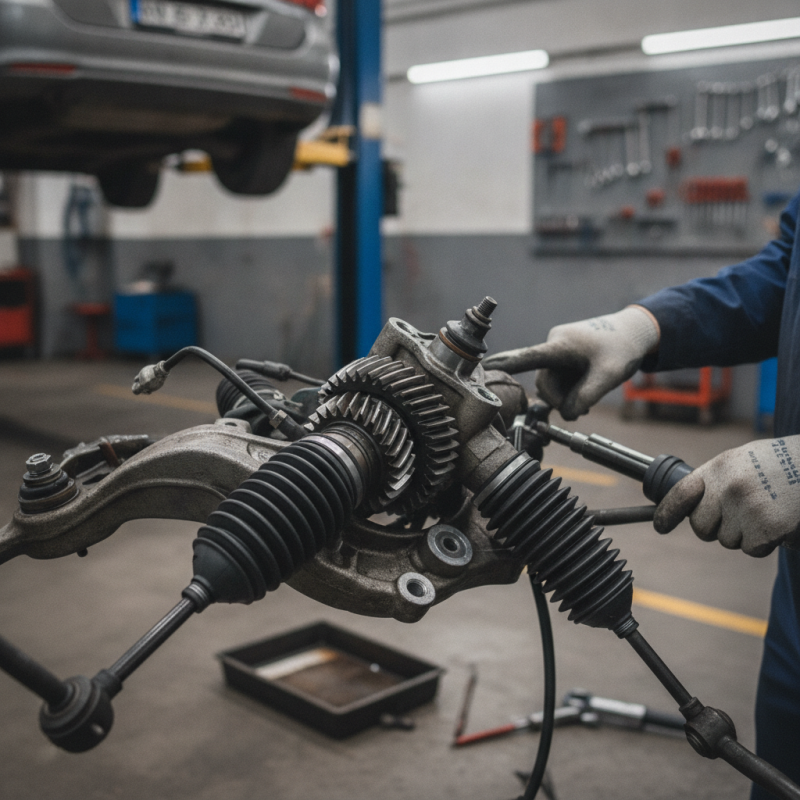
A failing steering rack can significantly impact vehicle performance. One clear sign is a loose or unresponsive steering wheel. You may notice that your car does not steer as smoothly as it once did. Additionally, if your steering feels stiff or jerky, this could indicate a problem. You might feel resistance when turning, and it can become difficult to maneuver your vehicle.
Another indicator is unusual noises. If you hear clunking, grinding, or whining when steering, pay close attention. These sounds often suggest underlying issues within the rack. Leaking hydraulic fluid is another serious sign. Check for any spots on the ground where your vehicle is parked. Fluid leaks can lead to various problems if not addressed promptly.
Vibrations through the steering wheel can also signal trouble. If you feel unexpected shaking, don't ignore it. It may signify wear in the steering components. Moreover, uneven tire wear could indicate steering issues. This is often overlooked, but it’s critical to check your tires regularly. Taking time to evaluate these signs can prevent costly repairs down the line. Noticing these details could make all the difference in maintaining your vehicle's safety and performance.
A failing steering rack can manifest several troubling symptoms. Drivers may notice excessive play in the steering wheel. This can lead to a vague steering feel, making your vehicle more challenging to control. According to a study by the National Highway Traffic Safety Administration (NHTSA), nearly 30% of vehicle accidents result from steering-related failures.
Another common sign is unusual noises while turning. A grinding or clunking sound could indicate worn-out components within the steering rack. Additionally, leaking fluid from the steering system is a critical warning sign. If you spot any puddles under your vehicle, don’t ignore them. This could point to significant issues that require immediate attention.
Tips: Regular inspections can help catch steering rack issues early. If your vehicle shows any signs, consult a trusted mechanic. Staying informed about your vehicle's maintenance can save you from costly repairs later. Driving with a damaged steering rack increases the risk of accidents. Always prioritize vehicle health for safety.
Performing a visual inspection of your steering rack can reveal important insights about its condition. Begin by checking for any visible leaks. Look for fluid pooling beneath the vehicle. A leak can indicate wear or damage to the seals. This should not be ignored, as it impacts steering performance.
Next, inspect the mounting points of the steering rack. Ensure they are secure and free of rust. Loose mounts can affect handling and cause alignment issues. Look closely at the rack itself for any signs of damage or unusual wear. Dents, cracks, or significant corrosion are red flags.
Also, check the steering shaft and its universal joints. They should move freely without any binding. If there's excessive play, further examination is needed. While visual checks are helpful, they may not catch everything. Consider consulting a professional for a thorough assessment. Regular inspections can prevent costly repairs down the line.
When testing your vehicle's steering response, pay attention to how the car reacts to your input. A tight or overly loose wheel can indicate issues. If you find yourself overcorrecting often, the steering rack might be wearing out. Driving on a straight path should require little effort. If you're constantly adjusting, it's not a good sign.
Handling performance also matters. Changes in your vehicle's ability to maneuver can signal problems. A jerky feeling while turning can hint at a failing steering rack. Noticeable vibrations during a drive can be disconcerting. They often indicate misalignment or wear that needs attention. Regular checks can prevent further complications. Test driving on various terrains may reveal more about steering issues.
Your steering system's health is vital for safety. Trust your instincts—if something feels off, inspect it further. It's better to be proactive than reactive. Ignoring early signs could lead to costly repairs down the road. Regular maintenance ensures your steering rack stays reliable. A little effort today can save you time and energy tomorrow.
If you notice unusual noises when turning the steering wheel, it may be time for a steering rack replacement. Common symptoms include a loose steering wheel or difficulty maintaining a straight path. When these issues arise, seeking professional help becomes essential.
Consulting a certified technician can save time and improve safety. They can perform a thorough inspection and suggest whether the steering rack needs replacement. Trusting an expert ensures the job is done right, reducing the risk of further issues.
**Tips:** Regularly inspect your steering system. Listen for strange sounds during turns. If the steering feels off, do not delay in seeking help. Ignoring these signs can lead to serious problems later on. Prioritize your safety and the performance of your vehicle by acting promptly when these symptoms appear.
| Symptoms | Possible Causes | When to Seek Help |
|---|---|---|
| Unusual noises when steering | Worn out steering rack, lack of lubrication | Immediately if persistent |
| Loose steering feel | Worn tie rods or rack mounts | When it affects control |
| Steering wheel vibrations | Imbalance or wear in the steering system | If excessive, seek help |
| Fluid leaks under the vehicle | Damaged seals or hoses | Immediately to prevent damage |
| Difficulty in steering | Low power steering fluid or failure | As soon as it's noticed |
: Drivers may notice excessive play in the steering wheel. This affects control and makes driving challenging.
Grinding or clunking sounds when turning can signal worn components. These noises should not be ignored.
Leaking fluid is a critical warning sign. Look for puddles under your vehicle; they indicate potential damage.
Regular inspections help catch issues early. They can save you from costly repairs and ensure safe driving.
Check for visible leaks, secure mounting points, and signs of damage on the steering rack itself.
Loose mounts can lead to handling issues and misalignment. This can make driving less safe.
They should move freely without binding. Excessive play indicates a need for further inspection.
No, visual checks may miss hidden issues. Consulting a professional for a thorough assessment is advisable.
Ignoring problems increases the risk of accidents. Keeping your vehicle healthy is crucial for safety.
Regular inspections are recommended. Consistent checks can help maintain vehicle reliability and performance.
When determining how to know if steering rack needs replacement, there are several signs and symptoms to consider. Common indicators of a failing steering rack include unusual noises, difficulty steering, and uneven tire wear. Performing a visual inspection can help identify any visible damage or leaks in the steering components. Testing the steering response and handling performance can further clarify whether the steering rack is functioning properly.
If you notice persistent issues despite your checks, it's crucial to seek professional help for a thorough diagnosis and potential replacement. Addressing steering rack problems promptly can enhance vehicle safety and overall driving experience, ensuring smooth handling and responsiveness on the road.

Sedo Auto