How to Tell If an Engine Oil Pump Is Bad?

Time:2026-10-14 Author:Henry
0%

A failing oil pump rarely announces itself with one dramatic sound. More often, the warning begins quietly: a flickering oil-pressure light, ticking lifters, or a gauge that drops during hot idle. This guide explains how to tell if engine oil pump is bad without guessing from noise alone. The pump may be worn, but a blocked pickup screen, damaged pressure-relief valve, thin oil, or excessive bearing clearance can create similar symptoms.

Richard Widman, a respected lubrication specialist, says, “Oil pressure is a symptom; the cause must be found.” That principle matters. A pressure warning does not automatically condemn the pump. A trained technician should verify pressure with a mechanical test gauge, compare readings against the manufacturer’s specifications, and inspect the oil condition. The engine should be checked cold and fully warm. Small details matter.

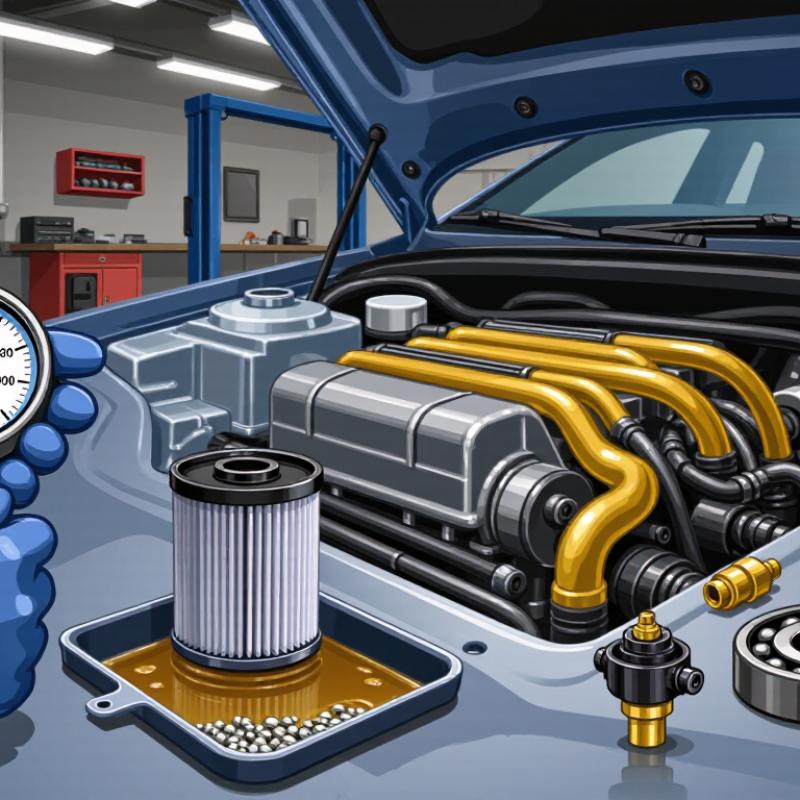
Look for metallic particles in drained oil, a collapsed filter, unusual camshaft noise, or pressure that falls sharply below specification. Do not ignore these signs. Continued driving can turn a repairable lubrication fault into severe bearing or crankshaft damage. In workshop practice, diagnosis is not always neat. Even experienced mechanics can misread a weak pump when the real problem is sludge blocking the pickup tube. That possibility deserves attention.

The sections ahead will examine symptoms, testing procedures, common false diagnoses, and repair decisions. You will also see where a professional inspection becomes necessary. A little caution helps. An oil-pressure test costs less than an engine rebuild.
How to Tell If an Engine Oil Pump Is Bad?

What an Engine Oil Pump Does and Why It Matters

An engine oil pump moves oil from the sump through the filter and narrow engine passages. It creates pressure that carries oil to bearings, the camshaft, timing parts, and other moving surfaces. Without this flow, metal parts can rub together within seconds.

The pump matters because oil does more than reduce friction. It also carries heat away and helps keep internal parts clean. A failing pump may cause a low-pressure warning light, ticking sounds, deep knocking, or a fluctuating pressure gauge. The engine may also run hotter than usual. However, these signs can come from low oil, a blocked pickup screen, a worn bearing, or a faulty pressure sensor. Do not blame the pump too quickly.

Tips: Check the oil level on level ground, after the engine cools. Look for leaks under the vehicle. If the warning light stays on, stop driving and arrange a pressure test with a mechanical gauge. This test is more dependable than guessing from dashboard signals. I have seen diagnosis delayed because a sensor was replaced first, while the pickup was partly blocked. That mistake can become expensive. Listen carefully. Fresh metallic debris in drained oil also deserves professional inspection.

How to Tell If an Engine Oil Pump Is Bad?

What an Engine Oil Pump Does and Why It Matters

The oil pump circulates engine oil through bearings, camshafts, timing components, and other moving parts. The chart shows a common diagnostic rule of thumb for minimum hot-engine oil pressure: approximately 10 psi for every 1,000 rpm. Actual specifications vary by engine, so the vehicle manufacturer's service data should always be used for diagnosis.

If measured oil pressure is consistently below the reference range, especially with a flickering oil-pressure warning light, ticking or knocking noises, or elevated engine temperature, possible causes include a worn oil pump, a restricted pickup screen, excessive bearing clearance, low oil level, or incorrect oil viscosity.

Common Symptoms of a Failing Engine Oil Pump

A failing engine oil pump often announces itself through oil pressure problems, not visible damage. The dashboard oil warning light may flicker at idle, then disappear when engine speed rises. That pattern deserves immediate attention. A deepening ticking noise can follow, especially after the engine warms. In severe cases, bearing knock sounds heavier and more rhythmic. Do not keep driving to “see what happens.” Metal parts may already be rubbing without enough oil.

Other symptoms include rising engine temperature, unstable pressure readings, and unusually noisy valve-train operation. A weak pump may struggle to move oil through a hot engine. However, these signs are not proof of pump failure. Low oil level, a blocked pickup screen, worn bearings, or a faulty pressure sensor can create similar symptoms. It is easy to blame the pump too quickly. Check the dipstick on level ground. Look for foamy oil, sludge, or metallic specks. Small details matter.

A reliable diagnosis requires a mechanical oil-pressure gauge connected at the engine’s pressure port. Compare cold and hot readings with the vehicle’s service specifications. If pressure remains low, inspect the pickup tube, pressure-relief valve, pump drive, and internal clearances. A repair shop should also check oil condition and filter restriction. Do not rely on sound alone. Technicians sometimes mistake harmless exhaust noise for internal damage, while quiet engines can still have dangerously low pressure. Warning lights should never be treated as optional advice.

How to Check Engine Oil Level and Pressure Safely

A safe oil check starts on level ground, not in a sloped driveway. Switch the engine off and wait five to ten minutes. Hot oil can burn skin. The National Highway Traffic Safety Administration advises following the vehicle manufacturer’s maintenance instructions, while the API Motor Oil Guide recommends checking the dipstick regularly. Remove it, wipe it clean, reinsert it fully, then read both marks. The level should sit between them. Do not overfill. Too much oil can also cause damage.

Oil pressure needs a different test. A warning lamp means pressure may already be dangerously low; it is not a precise gauge. Stop the engine if the lamp stays on, flickers, or appears with ticking noises. A qualified technician can install a calibrated mechanical gauge at the pressure-sender port, using the specified engine temperature and speed. Never loosen fittings near running, hot oil. SAE J300 viscosity standards help identify suitable oil grades, but the correct grade alone cannot prove that a pump works.

A low reading may come from low oil, a blocked pickup, worn bearings, a faulty sensor, or the pump itself. I would not condemn the pump after one test. Recheck the level and inspect for leaks first. S&P Global Mobility reported an average U.S. light-vehicle age of about 12.6 years in 2024, so neglected wear is increasingly plausible. My own caution is simple: a quiet engine can still have poor pressure. Digital warnings are useful, but measured pressure remains stronger evidence.

Diagnostic Tests to Confirm Oil Pump Problems

A bad oil pump is often blamed too early. Confirm the complaint with a calibrated mechanical pressure gauge. Connect it at the engine’s oil-pressure port, then record pressure during cold start, hot idle, and a specified engine speed. Compare every reading with the service manual. A warning lamp alone cannot prove pump failure. It usually reacts to pressure, not oil volume.

Hot-idle pressure that remains low may indicate worn bearings, a blocked pickup screen, a leaking relief valve, or excessive oil dilution. Inspect the oil level and grade before removing parts. Then check the pickup tube for cracks, loose fasteners, and sludge. Measure pump gear clearance and housing clearance with approved gauges. Small errors matter. A repairer can misdiagnose a pump when bearing clearance is the real leak path.

Used-oil testing adds useful evidence. ASTM D445 measures kinematic viscosity in mm²/s, revealing fuel dilution, overheating, or incorrect oil selection. ASTM D5185 reports wear metals in mg/kg, including iron, copper, and lead. Rising metal levels support an internal wear diagnosis, but they do not identify the pump alone. Cut open the filter and examine pleats under strong light. Metallic flakes are more concerning than dark oil. Still, visual checks are subjective. Repeat pressure tests with a second gauge when results seem inconsistent. A 2023 industry maintenance review from the Society of Tribologists and Lubrication Engineers also emphasizes trend-based monitoring over one isolated reading.

When to Repair or Replace a Bad Engine Oil Pump

When the oil-pressure warning lamp appears, treat it as an urgent clue, not a simple sensor fault. Confirm pressure with a calibrated mechanical gauge at cold and operating temperature. A worn pump, blocked pickup screen, stuck relief valve, or damaged bearings can produce similar readings. Listen for ticking near the cylinder head or deep knocking from the crankcase. Stop the engine if pressure remains dangerously low.

Repair is sensible when the pump’s relief valve is stuck, the pickup is restricted, or a replaceable seal is leaking. Clean the pickup and inspect the sump for metallic debris. Replace the pump when its gears, rotors, housing, or drive mechanism show scoring or excessive clearance. Reusing a visibly worn pump can be false economy. The diagnosis can still be wrong.

CarMD’s 2023 Vehicle Health Index reported an average check-engine repair cost of about $403.50, but an oil-pump failure may cost more after labor and internal damage. AAA’s 2023 Your Driving Costs study placed maintenance and repair expenses at 9.83 cents per mile, showing why early testing matters. Follow the correct oil grade and installation procedure under SAE and API guidance. A new pump cannot rescue bearings already damaged by oil starvation. That detail is easy to miss.

How to Tell If an Engine Oil Pump Is Bad? - When to Repair or Replace a Bad Engine Oil Pump

Diagnostic indicators, verification methods, and recommended repair decisions

Observation or Symptom What It May Indicate Recommended Check Interpretation Repair or Replacement Guidance Priority
Oil-pressure warning light remains on after the engine starts Low oil pressure, insufficient oil, a faulty pressure switch, wiring damage, internal engine wear, or a failing oil pump Stop the engine safely, check the oil level, and verify pressure with a mechanical test gauge installed at the engine's oil-pressure port The warning light alone does not prove that the pump is defective. Actual pressure must be compared with the engine manufacturer's specification Do not continue driving until low pressure is diagnosed. Repair the confirmed cause; replace the pump if it cannot produce the specified pressure Immediate
Oil-pressure warning light flickers at hot idle Oil level may be low, oil viscosity may be unsuitable, the pressure switch may be faulty, or the engine may have worn bearings or a weak pump Check oil level and condition, inspect for leaks, then measure hot-idle pressure with a mechanical gauge Hot oil is thinner than cold oil, so pressure normally drops at operating temperature. A pressure reading below the specified range requires further diagnosis Correct the oil level or specification if needed. If pressure remains low, inspect the pickup, relief valve, pump, and internal clearances Immediate
Low oil pressure at several engine speeds A restricted pickup screen, damaged pump, stuck pressure-relief valve, severe bearing clearance, or a major oil leak inside the engine Test pressure at idle and higher engine speed, inspect the oil and filter for metal particles, and remove the oil pan when required Pressure that remains below specification across the speed range suggests a significant lubrication-system or engine-wear problem Repair or replace the defective component. A new pump will not correct low pressure caused by excessive bearing clearance Immediate
Engine ticking, tapping, or knocking accompanied by low oil pressure Insufficient lubrication may be damaging valve-train components, timing components, connecting-rod bearings, or main bearings Shut the engine off and verify oil pressure. Check for metal debris and identify the source of the noise before restarting Mechanical noise combined with low pressure can indicate advanced internal damage, not only an oil-pump problem Do not operate the vehicle. Inspect the engine internally; replacing the pump alone may be inadequate if components are already damaged Immediate
Oil level is below the minimum mark Oil consumption, an external leak, an internal leak, or insufficient recent servicing Park on a level surface, allow the oil to settle, check the dipstick, and inspect the engine and vehicle underside for leaks Low oil level can cause the pump to draw air and may produce low or unstable oil pressure Add the correct oil only as a temporary correction, locate the cause of the loss, and recheck pressure if the warning occurred High
Oil level is correct, but measured pressure is normal The oil-pressure warning switch, sensor, connector, wiring, or instrument display may be faulty Compare the electronic reading with a mechanical gauge and test the switch or sensor circuit Normal mechanical pressure makes an oil-pump failure unlikely Repair or replace the faulty sensor, switch, connector, wiring, or gauge rather than replacing the pump Routine
Pressure is low after an oil and filter change Incorrect oil level, unsuitable oil viscosity, a wrong or defective filter, a damaged filter seal, or air entering the lubrication system Confirm the oil quantity and specification, inspect the filter installation, check for leaks, and repeat the pressure test The timing of the symptom means the service work should be checked before condemning the pump Correct installation or oil selection first. Replace the pump only after other causes and the actual pressure have been verified High
Oil-pressure gauge reading fluctuates abnormally Low oil level, aerated oil, a restricted pickup, a failing pressure-relief valve, electrical gauge problems, or unstable pump output Verify the reading with a mechanical gauge and inspect the oil level, pickup screen, wiring, and relief valve Some variation with engine speed and temperature is normal; erratic or sudden changes are not Repair the confirmed source. Replace the pump if internal wear or a damaged relief system prevents stable pressure High
Oil-pressure reading is unusually high Cold or overly thick oil, a blocked oil passage or filter, a stuck pressure-relief valve, or an inaccurate sensor Confirm oil viscosity and engine temperature, compare the sensor with a mechanical gauge, and inspect the relief valve and filter High pressure does not automatically indicate a strong or healthy pump; restricted flow can also raise pressure Correct the restriction or relief-valve fault. Replace the pump only when inspection confirms pump damage High
Oil pump produces whining, grinding, or abnormal mechanical noise Internal pump wear, damaged gears or rotors, a loose drive component, cavitation, or a restricted pickup Confirm the noise source, check oil level and pressure, and inspect the pump and pickup after removing the oil pan if necessary An oil pump can make noise before pressure falls, but accessory drives and other engine parts can create similar sounds Replace the pump if internal scoring, excessive clearance, broken components, or drive damage is found High
Pickup screen is blocked with sludge or debris Restricted oil flow caused by sludge, sealant, carbon deposits, or internal engine debris Remove and inspect the oil pan and pickup screen; identify the source of the contamination A restricted pickup can starve the pump even when the pump itself is mechanically sound Clean or replace the pickup as appropriate, remove contamination, change the oil and filter, and inspect the pump for damage High
Metal particles found in drained oil or the oil filter Wear or failure of bearings, gears, timing components, the pump, or other internal engine parts Cut open and inspect the filter, identify the metal type if possible, and perform pressure and internal inspections Metal contamination can damage a replacement pump and indicates that the entire lubrication system needs evaluation Repair the source of the metal and thoroughly clean the lubrication system. Replace the pump if damaged or contaminated beyond service limits Immediate
Oil pump drive, chain, gear, or shaft is damaged The pump may not be receiving adequate mechanical drive, even if the pump body appears serviceable Inspect the pump drive components, alignment, fasteners, and timing-related parts according to the engine design A damaged drive can cause complete or intermittent loss of oil pressure Replace damaged drive parts and the pump when its operation or internal condition has been compromised; verify pressure before returning the engine to service Immediate
Oil pump passes inspection and measured pressure meets specification The pump is probably functioning correctly; the original symptom may have come from a sensor, wiring issue, oil-level problem, or another component Recheck the warning circuit, inspect for leaks, confirm oil specification, and monitor pressure during a controlled road test A pump should not be replaced solely because of a warning light when verified pressure is normal Repair the actual fault and keep the existing pump if it meets inspection limits and produces the required pressure Routine

Important: Oil-pressure limits, testing points, inspection tolerances, and pump-removal procedures vary by engine design. Always use the applicable service specifications. If the oil-pressure warning light stays on, stop the engine as soon as it is safe to do so to help prevent severe internal damage.

FAQS

What does an engine oil pump do?

It moves oil from the sump through the filter and narrow engine passages.

Why is the oil pump important?

Oil reduces friction, removes heat, and carries contaminants away.

What symptoms may suggest an oil pump problem?

Possible signs include a low-pressure warning light, ticking, deep knocking, or unstable readings.

Can low oil cause similar symptoms?

Yes. Low oil, leaks, a blocked pickup screen, worn bearings, or a faulty sensor can look similar.

How can a technician confirm low oil pressure?

A calibrated mechanical gauge should measure pressure at the engine’s pressure port.

What should be inspected before replacing the pump?

Check the oil grade, oil level, pickup tube, screen, relief valve, and sump.

Can used-oil testing help diagnose the problem?

Yes. Viscosity testing can reveal fuel dilution, overheating, or unsuitable oil.

When should an oil pump be repaired or replaced?

Repair may suit a restricted pickup, stuck relief valve, or leaking replaceable seal.

What should a driver do when the warning lamp stays on?

Stop driving if pressure remains dangerously low.

Conclusion

Learning how to tell if engine oil pump is bad starts with understanding its role: the pump circulates oil through the engine to reduce friction, control heat, and protect moving parts. Warning signs may include low oil pressure, an oil pressure light, unusual ticking or knocking sounds, rising engine temperature, or metal particles in the drained oil. However, these symptoms can also come from low oil level, a damaged sensor, clogged passages, or worn engine components.

For a safe diagnosis, park on level ground, let the engine cool, and check the oil level with the dipstick. Never work near moving or hot parts without proper precautions. If the warning continues, a technician can test oil pressure with a mechanical gauge, inspect the filter and oil passages, and check for leaks or abnormal wear. Depending on the test results, the pump may need cleaning, repair, or replacement. Prompt action is important because driving with inadequate oil pressure can cause severe engine damage.

Henry

Henry

Henry is a dedicated marketing professional with a profound expertise in the company's offerings. With years of experience in the industry, he possesses an impressive understanding of the market dynamics and consumer behaviors that drive success. Henry is committed to sharing his insights through......