China Best Auto Parts Why Does My Car Clunk When Turning?

Time:2026-09-29 Author:Amelia
0%

A clunk during a turn can make an ordinary drive feel uncertain. You may hear one sharp knock while entering a driveway, or repeated thuds as the steering wheel moves. If you are asking, “why does my car make a clunking noise when turning,” the sound is a useful clue, but not a diagnosis by itself. Its timing, location, and frequency matter.

Several parts can produce similar noises. Worn CV joints may click or knock during tight turns, while loose suspension components can clunk as the vehicle’s weight shifts. Steering links, ball joints, and damaged mounts are also worth checking. A sound from the front does not always identify the exact faulty part. That clue can mislead.

This guide from China Best Auto Parts explains common causes and practical checks, including what to notice when the noise happens at low speed, over bumps, or during a full-lock turn. Look for changes in handling, uneven tire wear, or visible damage, but avoid relying on a quick glance to rule out a problem. A qualified mechanic can inspect the steering and suspension safely and confirm which component needs attention. If the clunk grows louder, the vehicle feels unstable, or steering becomes difficult, arrange an inspection promptly. Small noises deserve attention. Not panic—careful checking.
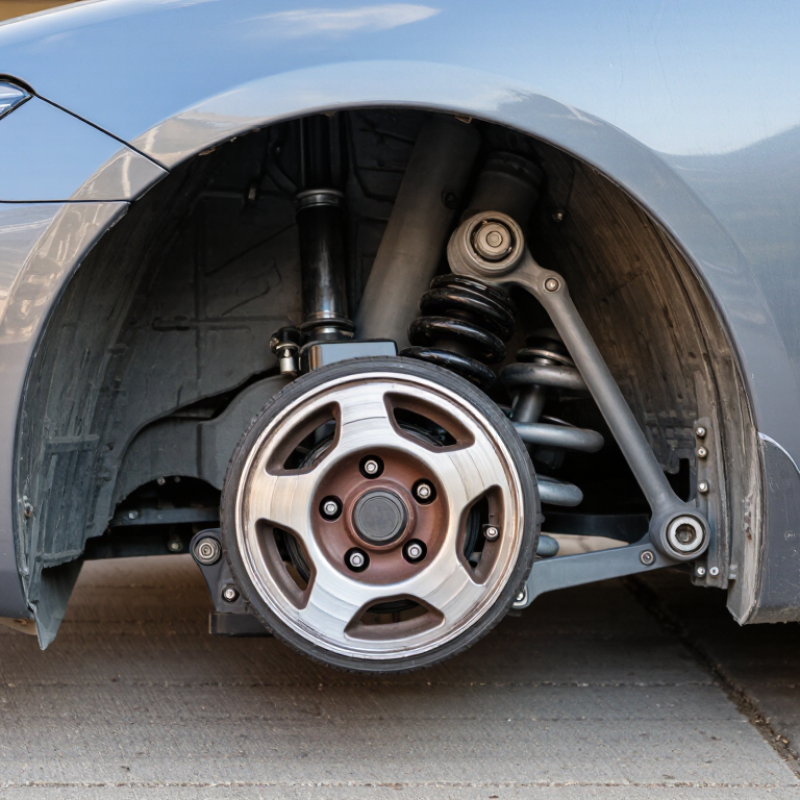
China Best Auto Parts Why Does My Car Clunk When Turning?

Steering-Angle, Speed, and Load: How to Classify a Turning Clunk

China Best Auto Parts: Why Does My Car Clunk When Turning?

Steering-Angle, Speed, and Load: How to Classify a Turning Clunk

A turning clunk becomes easier to diagnose when you observe three conditions: steering angle, road speed, and vehicle load. A single knock at full lock may suggest a worn outer constant-velocity joint, especially during tight, slow circles. Repeated clicking deserves attention.

The sound changes under acceleration.

A clunk during low-speed steering, without braking, can point toward a loose tie-rod end, ball joint, or control-arm bushing. When the noise appears after braking and reversing, inspect brake hardware and suspension movement. A knock over a driveway ramp may indicate excess play, but it can also come from a loose underbody shield. I have seen drivers replace expensive parts before checking simple fasteners.

Speed adds another clue. A noise that rises with wheel rotation differs from one caused by suspension compression. With extra passengers or cargo, a damaged spring seat or weak bushing may become louder. Do not rely on sound alone; safely raise the vehicle and check for abnormal movement.

The 2024 J.D. Power U.S. Vehicle Dependability Study recorded 190 problems per 100 vehicles after three years of ownership.

That figure covers many systems, not turning noises specifically, but it shows why structured inspection matters. Professional repair procedures recommend checking steering and suspension joints for looseness, torn boots, fluid leakage, and uneven tire wear. If steering feels vague, the wheel shakes, or the clunk worsens, stop testing on public roads and arrange a qualified inspection.

CV Joint Diagnosis: Outer-Joint Clicking Versus Inner-Joint Clunks

Why Does My Car Clunk When Turning? CV Joint Diagnosis

A sharp clicking during a tight, slow turn usually points to an outer CV joint. The noise repeats as the wheel rotates. It often becomes louder when accelerating through a parking-lot corner. Grease around a split boot strengthens the diagnosis. A 2023 aftermarket vehicle-age report placed the average passenger vehicle age above 12 years, so worn joints are increasingly common. Federal Highway Administration data also shows many cars travel roughly 12,000 miles annually. That mileage steadily stresses boots, bearings, and joint cages.

An inner CV joint behaves differently. Its clunk may appear during acceleration, deceleration, or quick direction changes. Drivers often feel a dull knock through the floor, not a crisp clicking sound. Excessive plunge movement can create vibration during takeoff. I inspect the axle at ride height, then check boot damage, shaft play, and fastener torque. A road test matters. The rule is useful, but not perfect. Suspension bushings can imitate an inner-joint clunk, while a loose wheel can create dangerous noise. I once blamed a joint too quickly, then found a worn control-arm bushing. That mistake still matters. Compare left and right sides, listen with the windows open, and avoid replacing parts before confirming the load direction. Industry repair guidance generally recommends replacing a contaminated joint or damaged boot promptly, because lost grease allows abrasive debris inside.

Why Does My Car Clunk When Turning?

This educational comparison shows how strongly each symptom typically points to an outer or inner CV-joint problem. Outer-joint wear is most characteristic of repetitive clicking during tight turns, while inner-joint wear more often causes clunks during acceleration or deceleration and vibration under load. A road test and inspection are required for a reliable diagnosis.

Ball Joints and Tie Rods: Check Movement Against OEM Service Limits

A clunk during a turn can come from a worn ball joint or tie rod, but sound alone proves little. During an inspection, raise the vehicle safely and unload the joint as specified by the service manual. Check the wheel at 12 and 6 o’clock for ball-joint movement. Then check it at 3 and 9 o’clock for tie-rod play. A mechanic may use a pry bar, dial indicator, or a load adapter. The measured movement must be compared with the OEM service limit, not a guessed “normal” amount. Some joints feel tight by hand yet exceed their limit under load. That mistake is easy to make.

Look for torn boots, rust dust, uneven steering response, and a steering wheel that shifts before the tires react. The American Automobile Association reported that 44 million U.S. drivers suffered pothole damage over five years, with total costs reaching $26.5 billion. Repeated impacts can accelerate looseness in steering and suspension parts. NHTSA recorded 40,901 U.S. traffic deaths in 2023, reminding technicians that small steering defects deserve careful attention. Replace damaged fasteners when the manual requires it, torque every connection correctly, and check alignment afterward. I would not condemn a part from noise alone. Road surfaces, brake hardware, and loose wheel components can imitate the same clunk. A second measurement is sometimes wiser.

Why Does My Car Clunk When Turning? Ball Joints and Tie Rods: Check Movement Against OEM Service Limits

Component Inspection method What to check How to judge movement Recommended action
Ball joint Inspect using the vehicle maker’s specified suspension position and loading procedure. Use a dial indicator or approved lever test where specified. Look for looseness between the ball stud and socket, a damaged or displaced dust boot, or signs of grease loss or contamination. Compare measured axial or radial movement with the OEM service limit for that joint and inspection setup. There is no single movement limit that applies to every vehicle. Replace the joint if movement exceeds its specified limit or the joint is otherwise condemned by the service procedure. Follow required alignment and fastener procedures.
Outer tie-rod end With the vehicle safely supported as directed by the service procedure, have an assistant gently move the steering wheel while observing the joint. Watch for delayed movement, looseness, or a clunk where the tie-rod stud connects to the steering knuckle. Assess movement at the joint itself and compare any measurement with the applicable OEM specification. Do not treat normal steering-system movement as a universal pass or fail measurement. Repair excessive joint play, then set or verify toe as required. A steering or alignment check is recommended after replacement.
Inner tie rod Check for movement at the inner joint while an assistant gently rocks the steering wheel. Access may require moving or inspecting the steering-rack boot. Identify free play or a knock at the inner joint, distinguishing it from movement at the outer tie-rod end or steering rack. Use the vehicle-specific diagnostic method and service limit. A clunk alone does not confirm that the inner tie rod is faulty. Repair only after locating the source of play. Inspect the rack boot and check alignment following work that changes tie-rod length or position.
Steering and suspension cross-check Inspect related parts using the manufacturer’s procedures, with the vehicle securely supported and wheels chocked as appropriate. Check sway-bar links, control-arm bushings, strut mounts, wheel bearings, and loose or damaged fasteners. Confirm the noise and any movement at the specific component; compare measurable play with its own applicable service specification. Do not replace ball joints or tie rods based on noise alone. Have the vehicle inspected promptly if steering feels loose, the vehicle wanders, or a wheel shows abnormal movement.

Safety note: Ball-joint and tie-rod inspection procedures vary by vehicle and suspension design. Use the applicable OEM service information for the correct support points, loading condition, measurement method, and allowable movement. Never work beneath a vehicle supported only by a jack.

Wheel Bearings and Lug Nuts: Verify Noise Patterns and OEM Torque Data

Why Does My Car Clunk When Turning?

A clunk during a turn can come from several wheel-end problems. The sound is a clue, not a diagnosis. A worn wheel bearing usually produces a hum or growl that follows road speed. The noise may change when the vehicle’s weight shifts through a corner. A sharp knock at parking-lot speed may instead suggest loose wheel hardware or damaged suspension parts.

Lug nuts deserve immediate attention. After wheel service, I inspect each nut before chasing deeper faults. Loose hardware can allow the wheel to move against the mounting surface. Never guess the tightening value. Wheel size, stud design, and vehicle model can change the required torque. Use the vehicle’s OEM service data, not a generic chart. A calibrated torque wrench gives a more reliable result. Tighten in a star pattern, then follow the specified recheck procedure.

With the vehicle safely supported, spin the wheel and listen for roughness. Do not work under an unsupported vehicle. Rock the tire at the twelve and six o’clock positions, checking for unusual movement. Some play may come from another joint, so this test is not conclusive. I have seen drivers replace bearings when the real issue was under-torqued hardware. That assumption can waste time and money. If the noise changes with steering load, compare both sides and inspect the bearing, lug torque, and surrounding suspension together.

Safety Priorities: Use NHTSA Steering and Suspension Inspection Guidance

China Best Auto Parts: Why Does My Car Clunk When Turning?

A clunk during a turn can come from a loose wheel, worn ball joint, damaged tie-rod end, or failing control-arm bushing. A clicking sound may also suggest a worn constant-velocity joint. Sound alone cannot identify the fault. I have seen drivers replace a suspension part first, then discover loose wheel hardware. That mistake costs time and can increase risk.

Safety comes before parts selection. NHTSA inspection guidance encourages checking tires, steering response, and suspension condition before continued driving. With the vehicle parked on level ground, inspect tire pressure, tread damage, leaking dampers, cracked bushings, and uneven wheel position. Do not work beneath a vehicle supported only by a jack. Ask a qualified technician to check wheel-bearing play, fastener torque, and steering linkage movement.

Do not ignore a sudden change.

NHTSA’s 2022 Traffic Safety Facts recorded 42,514 traffic deaths in the United States. The report does not connect those deaths to one specific clunk, but it reinforces the value of preventive checks. If the steering feels loose, the car pulls, or the noise worsens under braking, stop driving when safely possible. A professional inspection should follow. Parts should match the vehicle’s specifications, yet fitment data alone cannot confirm that the original failure was diagnosed correctly.

FAQS

What does a sharp clicking sound during a tight turn usually indicate?

It often suggests a worn outer CV joint. The clicking repeats as the wheel rotates. It may grow louder while accelerating around a slow corner.

How does an inner CV joint usually sound?

An inner joint often produces a dull clunk during acceleration, deceleration, or direction changes. Drivers may feel the impact through the floor. Excessive movement can also cause vibration during takeoff.

Does grease around a split boot confirm a failed CV joint?

It strongly supports the diagnosis, but it does not prove everything. A damaged boot can release grease and admit abrasive dirt. Inspect the joint before replacing it.

Can suspension parts imitate CV joint noise?

Yes. Worn bushings, ball joints, tie rods, and loose wheel hardware can sound similar. Sound alone misleads. Compare both sides and check the load direction.

How should a mechanic check ball joints and tie rods?

Raise the vehicle safely according to the service instructions. Check movement at 12 and 6 o’clock for ball joints. Check 3 and 9 o’clock for tie rods. Compare measured movement with the manufacturer’s limit.

What signs may indicate worn steering or suspension parts?

Look for torn boots, rust dust, delayed steering response, or a shifting steering wheel. Pothole impacts can worsen looseness. A second measurement is sometimes wiser.

How can a wheel bearing differ from a CV joint problem?

A worn bearing usually creates a hum or growl linked to road speed. The sound may change as vehicle weight shifts through a corner. A sharp parking-lot knock may suggest suspension or wheel hardware instead.

Why should lug-nut torque be checked immediately?

Loose lug nuts can let the wheel move against its mounting surface. Use the specified torque and a calibrated wrench. Tighten in a star pattern, then follow the required recheck procedure. Do not guess.

What inspection steps help confirm a turning clunk?

Listen with the windows open during a controlled road test. Inspect boots, shaft play, fasteners, bearings, and nearby suspension parts. Support the vehicle securely before checking wheel movement. I once blamed a joint too quickly. That mistake still matters.

Conclusion

A clunking sound during a turn can come from several steering or suspension components, so the first step is to classify the noise by steering angle, vehicle speed, and load. A repeated clicking sound during tight, low-speed turns often points to an outer CV joint, while a heavier clunk during acceleration, deceleration, or changes in direction may suggest an inner CV joint or another loaded drivetrain component. These observations help answer the question: why does my car make a clunking noise when turning?

Inspection should also include ball joints, tie rods, wheel bearings, and wheel fasteners. Check for looseness, abnormal movement, damaged boots, rough rotation, or noise that changes with speed, and compare any movement with the vehicle manufacturer’s service limits. Verify wheel fastener torque using the specified service data rather than guessing. Because steering and suspension faults can affect vehicle control, follow recognized safety inspection guidance and repair any excessive play or damaged part before continued driving.

Amelia

Amelia

Amelia is a seasoned marketing professional with a wealth of expertise in our company’s core offerings. With an unwavering passion for driving growth and innovation, she plays a pivotal role in shaping our marketing strategies and enhancing brand visibility. A key aspect of her responsibilities......