Why Does My Car Struggle to Start After Getting Gas?

Time:2026-10-26 Author:Aria
0%

Why does my car struggle to start after getting gas? This frustrating problem often appears in an oddly specific moment: you turn the key, the engine cranks, and nothing happens. After several attempts, it finally starts with a rough shake. The fuel gauge looks normal, yet the warning light may appear later. That pattern is not random.

John Ibbotson, Consumer Reports’ chief mechanic, explains, “A faulty purge valve can allow excess fuel vapor into the engine during refueling.” That detail matters. The evaporative-emissions system should store gasoline vapors inside the charcoal canister. A purge valve then releases those vapors gradually while driving. If it sticks open, the engine may receive too much vapor after the gas cap is tightened. The result can resemble flooding.

Other causes remain possible. A loose fuel cap, weak fuel pump, aging battery, or failing crankshaft sensor can create similar symptoms. Do not replace parts based on one symptom. Check the diagnostic codes, listen for the fuel pump’s brief hum, and notice whether the engine starts more easily with the accelerator slightly pressed.

Small clues help.

A technician should inspect the purge valve, vapor lines, and fuel pressure before guessing. I should also admit that this symptom can mislead even experienced drivers. A problem that appears after refueling may involve the charging system instead. This guide explains the likely causes, practical tests, repair choices, and warning signs that require professional attention.
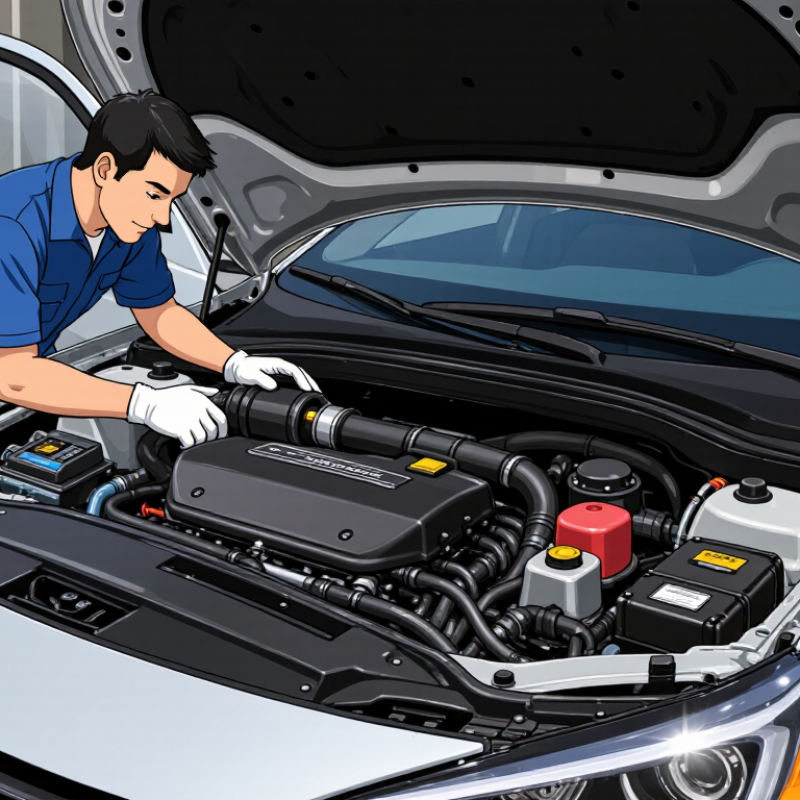
Why Does My Car Struggle to Start After Getting Gas?

Common Reasons a Car Struggles to Start After Refueling

Why Does My Car Struggle to Start After Getting Gas?

A car that cranks normally but starts poorly after refueling often has an evaporative emissions problem. The purge valve may remain open when it should be closed. Extra fuel vapor then enters the intake, creating an overly rich mixture. The engine may cough, shake, or require several seconds of cranking. A strong fuel smell can support this clue, but it does not prove the diagnosis.

A weak fuel pump or restricted fuel filter can also cause hard starting. Refueling may simply expose a pressure problem that was already developing. A technician can check fuel pressure before and after shutdown, then compare the readings with service specifications. A diagnostic scan may reveal an emissions-related fault, even when the warning light stays off. Sometimes the battery is weak, and the timing is only coincidental. It happens.

Pay attention to the exact pattern.

Does the engine start normally when cold? Does holding the accelerator slightly open help? Is the idle rough for thirty seconds? These details guide testing. Avoid repeated long cranking, which can drain the battery and overheat the starter.

If the car starts but smells strongly of fuel, stop and inspect it promptly.

I would not replace the purge valve based on symptoms alone. Testing the valve, hoses, fuel pressure, and electrical connections is more reliable, although real-world diagnosis is not always perfectly tidy.

How the Fuel System Can Cause Post-Refueling Starting Problems

Why Does My Car Struggle to Start After Getting Gas?

A car that cranks normally but struggles after refueling often has a fuel-system problem. The evaporative-emissions system controls gasoline vapors inside a sealed tank. When its purge valve sticks open, extra vapor enters the engine during startup. The mixture can become too rich, almost like pressing the accelerator before the engine is ready. I have seen drivers wait several minutes, then start successfully after the vapor clears. That delay can hide the real fault.

The fuel cap and filler neck deserve attention too. A loose seal may disturb tank pressure and trigger difficult starting. A clogged vent, damaged vapor hose, or saturated charcoal canister can create similar symptoms. In some cases, the fuel pump loses pressure after the engine stops, especially when the tank is nearly empty or the pump is aging. A technician can check fuel pressure, scan stored fault codes, and test purge-valve operation instead of guessing.

Do not keep replacing parts blindly. That gets expensive. A brief inspection can reveal whether fuel vapor, pressure loss, or restricted venting is responsible. I once assumed a weak battery caused the hesitation, but the battery test was normal. The diagnosis changed after checking the purge system. Still, symptoms overlap, and one successful restart proves little. If the engine cranks for a long time, smells strongly of fuel, or stalls repeatedly, arrange a professional inspection before continued driving.

Signs That Point to an EVAP System or Purge Valve Fault

Why Does My Car Struggle to Start After Getting Gas?

A difficult restart after refueling often points toward the EVAP system, not the battery. The evaporative-emissions system stores gasoline vapors inside a charcoal canister. A purge valve then releases those vapors into the engine at the correct time. If the valve remains open, the engine may receive too much vapor during a hot restart. You might notice extended cranking, rough idling, or a strong fuel smell near the filler neck.

The U.S. Environmental Protection Agency’s OBD requirements commonly use a 0.020-inch leak threshold for evaporative systems. That is only about half a millimeter. A loose cap, cracked hose, or damaged canister can trigger a warning light. SAE service guidance also stresses testing purge flow instead of replacing parts immediately. A technician can command the valve open, check vacuum response, and inspect live fuel-trim data. Still, diagnosis is not always clean. A weak fuel pump or leaking injector can create similar symptoms. Guessing wastes money.

Tips: Do not keep topping off the tank after the pump clicks. Excess liquid fuel can reach the charcoal canister. Record when the problem occurs, especially after a full refill. Ask for a smoke test and purge-valve test before approving repairs. The check-engine light matters, but its stored code is only a starting clue.

Simple Checks to Identify the Source of the Starting Issue

Why Does My Car Struggle to Start After Getting Gas?

A car that cranks normally but refuses to start after refueling may have a fuel vapor problem. Notice the pattern carefully. Does it happen after every fill-up? Record the temperature, fuel level, and delay before restarting. These details can separate a repeatable fault from coincidence. A strong fuel smell, rough idle, or warning light deserves attention.

Begin with simple checks. Confirm the fuel cap is sealed securely, then inspect beneath the car for fresh leaks. Do not add fuel after the pump stops. An overfilled tank can push liquid fuel into the vapor-control system. Turn the key on without cranking. You may hear a brief humming sound as the fuel pump primes. Silence does not prove failure. Try one controlled start attempt for no more than ten seconds.

If the engine starts only with the accelerator slightly open, a sticking vapor-purge valve may be allowing excess vapor into the intake. A technician can test that valve, fuel pressure, and stored diagnostic codes. I have seen owners replace batteries first, then discover a small vapor-control fault. That mistake is understandable, but it wastes time. Record the symptoms before visiting a repair shop. If fuel odor is strong or a leak appears, stop starting the vehicle and arrange a professional inspection.

Why Does My Car Struggle to Start After Getting Gas? - Simple Checks to Identify the Source of the Starting Issue

Possible Source Typical Clue After Refueling Simple Check What It May Indicate Recommended Next Step
Loose or damaged fuel cap The engine may start normally but run roughly, and the warning light may appear later. Remove and reinstall the cap until it clicks or is fully secured. Check the seal for cracks or dirt. Fuel-vapor leakage or an evaporative-emissions system fault. Secure or replace the cap if necessary. If the warning light remains, have the system scanned.
Saturated charcoal canister Hard starting, extended cranking, or a fuel smell soon after filling the tank. Notice whether the problem occurs mainly after filling the tank completely or topping off after the pump stops. Liquid fuel may have entered the evaporative-emissions vapor canister. Avoid topping off the tank. Arrange a professional inspection of the vapor system.
Faulty purge control valve The engine cranks but takes several seconds to start, may stumble, or may idle roughly after refueling. Check for a recurring pattern after refueling and look for an illuminated engine warning light. Excess fuel vapor may enter the intake when the engine is starting. Have the purge valve and evaporative-emissions system tested; do not replace parts based on symptoms alone.
Incorrect or contaminated fuel Hard starting, poor acceleration, misfiring, unusual exhaust smoke, or an engine that stalls. Think back to whether the issue began immediately after refueling and whether the fuel type matched the vehicle requirement. Wrong fuel or water contamination can interfere with combustion and fuel-system operation. Stop driving if the engine runs badly. Seek professional advice before operating the vehicle further.
Weak battery or poor battery connection The starter turns slowly, dashboard lights dim, or repeated attempts make cranking weaker. Observe the cranking speed and inspect battery terminals for looseness or visible corrosion. The refueling may be coincidental; the battery may not provide enough starting current. Test the battery and charging system. Clean and tighten connections only when safe to do so.
Fuel-delivery problem The engine cranks at normal speed but does not start, or it starts and then stalls. Listen for the brief fuel-pump operating sound when the ignition is switched on, without starting the engine. A weak pump, restricted filter, wiring fault, or inadequate fuel pressure may be involved. Request a fuel-pressure test and electrical diagnosis rather than repeatedly cranking the engine.
Engine-management sensor fault Hard starting may occur with rough idle, stalling, reduced power, or a warning light. Use a diagnostic scan tool to check stored fault codes; do not rely on the warning light alone. Incorrect temperature, pressure, or engine-position data can affect starting fuel and ignition control. Have the relevant sensor signals and wiring tested before replacing any component.
Normal fuel-system pressure release A brief hiss may be heard when opening the cap, especially in hot weather, without other running problems. Note whether the sound is brief and whether the vehicle starts and runs normally afterward. Some pressure variation in a sealed fuel system can be normal. Monitor the vehicle. Seek inspection if the hiss is unusually strong or is accompanied by fuel odor, leaks, or hard starting.
Safety note: If you smell raw fuel, see a fuel leak, or the engine is misfiring severely, stop operating the vehicle and have it inspected promptly. Avoid smoking or using open flames near the vehicle.

When Professional Diagnosis and Repairs Are Necessary

Why Does My Car Struggle to Start After Getting Gas?

When a car starts poorly after refueling, the evaporative emissions system deserves attention. A purge valve that remains open can send excess fuel vapor into the engine. The engine may crank normally but hesitate, shake, or stall. A saturated charcoal canister or blocked vent valve can create similar symptoms. A loose fuel cap is possible, though it rarely causes repeated hard starting alone.

Professional diagnosis becomes important when the problem happens after every refill. A qualified technician can scan for stored fault codes, test fuel pressure, and inspect the purge system. A smoke test may reveal cracked hoses or leaks that are difficult to see. They should also check the valve’s operation, not replace it automatically. Guessing can become expensive. I have seen simple vapor-control faults mistaken for fuel-pump failures, which delayed the proper repair.

Tips: Record when the symptom appears, including fuel level and outside temperature. Do not keep pumping fuel after the nozzle clicks off. Stop driving if you smell strong fuel, notice visible leakage, or hear unusual tank noises. Ask for test results before approving major repairs. A careful diagnosis may involve several checks, and that can feel slow, but it protects the engine and your wallet.

FAQS

Why does my car struggle to start after refueling?

A stuck purge valve may send excess fuel vapor into the engine. The mixture becomes too rich during startup. One restart proves little.

What symptoms suggest a vapor-control problem?

Watch for long cranking, rough idling, stalling, or a strong fuel smell after refueling. The problem may appear after every fill-up.

Can a loose fuel cap cause hard starting?

Yes, a poor seal can disturb tank pressure. It may also trigger a warning light, though repeated hard starts need deeper testing.

What simple checks can I perform safely?

Confirm the fuel cap seals firmly. Look for fresh leaks beneath the car. Do not keep adding fuel after the nozzle stops.

Should I listen for the fuel pump?

Turn the key on without cranking. A brief humming sound may indicate priming. Silence does not prove the pump has failed.

Can overfilling the tank create starting problems?

Yes, liquid fuel can enter the vapor-control system. This may saturate the charcoal canister and affect engine starting.

When should a technician inspect the vehicle?

Seek professional testing when the issue follows every refill. Testing may include fuel pressure, fault codes, purge operation, and smoke checks.

What information should I record before repair?

Note the fuel level, outside temperature, starting delay, and warning lights. Record whether the engine shakes or smells strongly of fuel.

Should I replace the battery or fuel pump first?

No. Symptoms can overlap. A normal battery test does not identify vapor faults, and guessing can waste money. I might suspect the battery too.

When should I stop trying to start the car?

Stop if fuel odor is strong, visible leakage appears, or the engine repeatedly stalls. Arrange professional inspection before continued driving. Safety comes first.

Conclusion

If you are wondering, “why does my car struggle to start after getting gas,” the problem may be related to the fuel or emissions systems rather than the battery or starter. Common causes include a failing fuel pump, a leaking fuel injector, incorrect fuel pressure, or a clogged filter. Refueling can also expose problems with the EVAP system, especially a purge valve that remains open and allows excess fuel vapor into the engine. This can create a temporarily rich mixture, leading to extended cranking, rough starting, or stalling shortly after filling the tank.

To identify the source, notice whether the issue happens only after refueling, check for warning lights, and listen for unusual fuel-pump sounds. Inspecting the fuel cap and observing engine behavior can provide useful clues, but avoid replacing parts based only on symptoms. If the problem continues, professional testing of the EVAP system, fuel pressure, and engine controls is recommended to prevent further damage and restore reliable starting.

Aria

Aria

Aria is a dedicated marketing professional with a deep passion for innovative strategies and a keen understanding of our company's product offerings. With a wealth of experience in the industry, Aria excels at crafting engaging content that highlights the unique features and benefits of our......