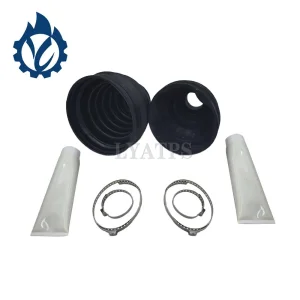
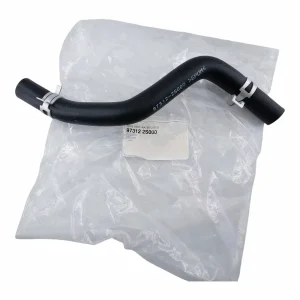
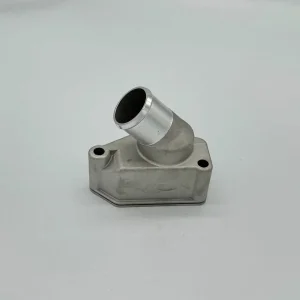
Precision engineered replacement parts and OEM specifications matching global quality demands.
Analyzing thermal management transformations under international carbon neutrality goals and next-generation architecture mandates.
In the contemporary automotive landscape, the engine cooling fan is no longer merely a basic mechanical component dedicated to heat dissipation. Instead, it has transitioned into an essential module within the vehicle’s overall Thermal Management System (TMS). Driven by stricter global emissions frameworks, including Euro 6d/Euro 7 and EPA Tier 3 standards, internal combustion engines (ICE) operate at optimized high-temperature ranges to maximize fuel combustion efficiency. Consequently, the cooling architecture must offer precise, dynamic, and variable-speed capabilities to balance thermochemical limits and prevent localized overheating.
A key technological development is the transition from belt-driven mechanical systems and viscous clutch layouts to electronic cooling fans powered by Brushless DC (BLDC) motors. BLDC-based fan systems enable step-less speed regulation via pulse width modulation (PWM) or Controller Area Network (CAN) bus feedback signals. According to industry data, transitioning to active intelligent cooling modules reduces parasitic engine power loss by up to 3.5%, translating directly to reduced carbon outputs and improved mileage. Wenzhou Sedo Auto Co., Ltd. has invested in these shifts, upgrading its production lines to produce cooling assemblies that function reliably under severe thermal cycles ranging from -40°C to 125°C.
Computational Fluid Dynamics (CFD) optimized blades reduce turbulence, operational noise, and vibration while delivering maximum CFM airflow.
Direct integration with engine control units (ECU) enables proportional cooling, minimizing auxiliary power demands.
Reinforced glass fiber polyamide (PA66-GF30) shroud and blade assemblies prevent warping under intense thermal stress.
Key indicators and engineering metrics driving purchasing decisions for global distributors and tier-1 system integrators.
For international buyers, sourcing cooling components from China requires rigorous qualification processes. High warranty costs associated with engine cooling failure necessitate prioritizing reliable engineering over low unit costs. Strategic buyers look beyond standard metrics, focusing on key performance indicators (KPIs) such as dynamic balancing tolerances, IP (Ingress Protection) ratings for integrated motors, and resistance to environmental stress, including salt-spray testing for coastal environments.
The table below summarizes standard criteria used by commercial vehicle and passenger vehicle procurement units when assessing Tier-2 engine cooling manufacturers:
| Evaluation Parameter | Aftermarket Standard Limits | OEM Custom Specifications | Testing Protocol |
|---|---|---|---|
| Dynamic Balancing | < 5.0 g·mm | < 1.0 g·mm (ISO 1940 Quality G2.5) | Two-plane balancing measurement machine |
| IP Rating (Motor) | IP54 / IP67 | IP6K9K (Dustproof / High-temp water jet) | IEC 60529 chamber chamber ingress assessment |
| Thermal Load Resistance | -30°C to 100°C | -40°C to 140°C continuous operation | Standard thermal shock chamber testing (1000 hrs) |
| Operating Lifespan (MTBF) | > 2,500 Hours | > 5,000 Hours (up to 15,000 Hours commercial) | Accelerated stress testing under thermal cycling |
Founded in 2008, blending advanced manufacturing with quality controls to deliver performance-driven automotive assemblies.
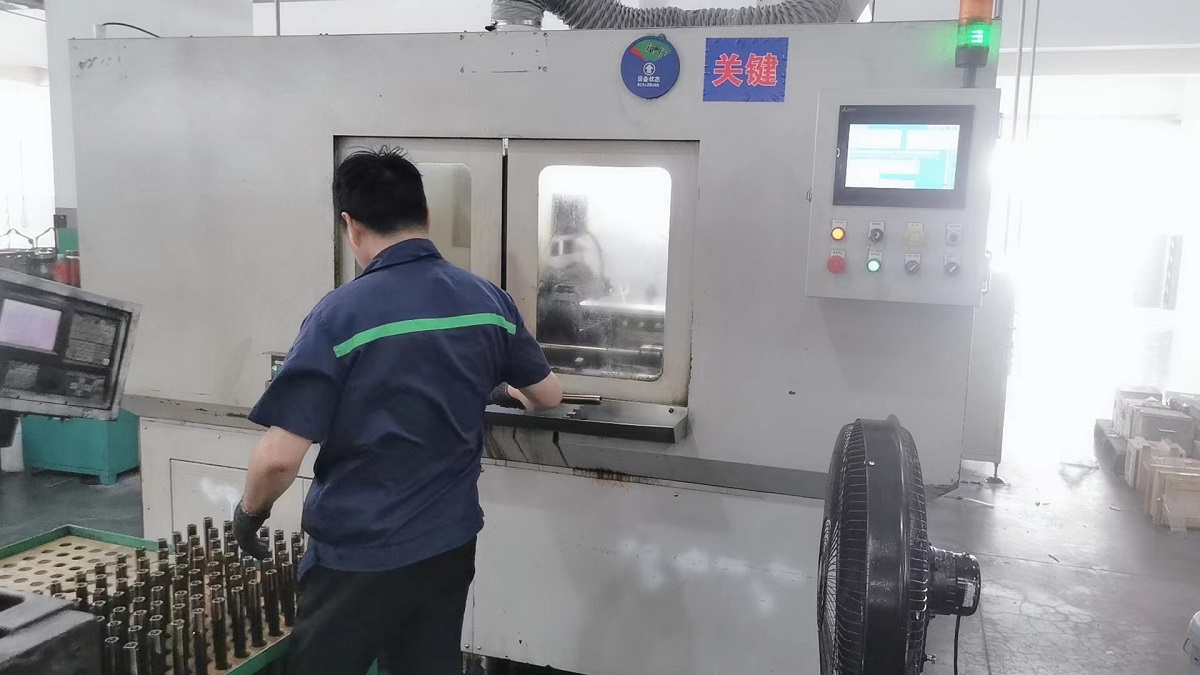
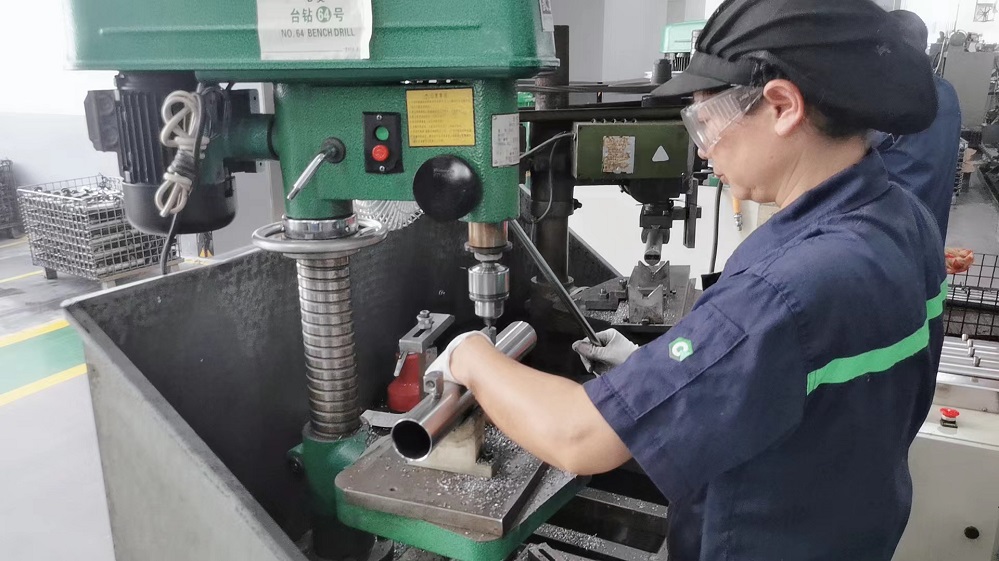
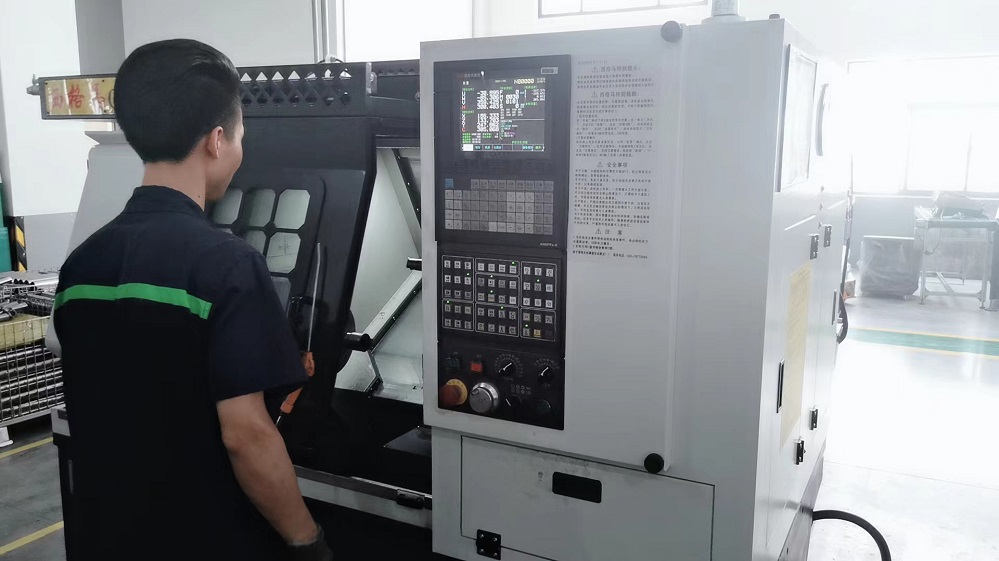
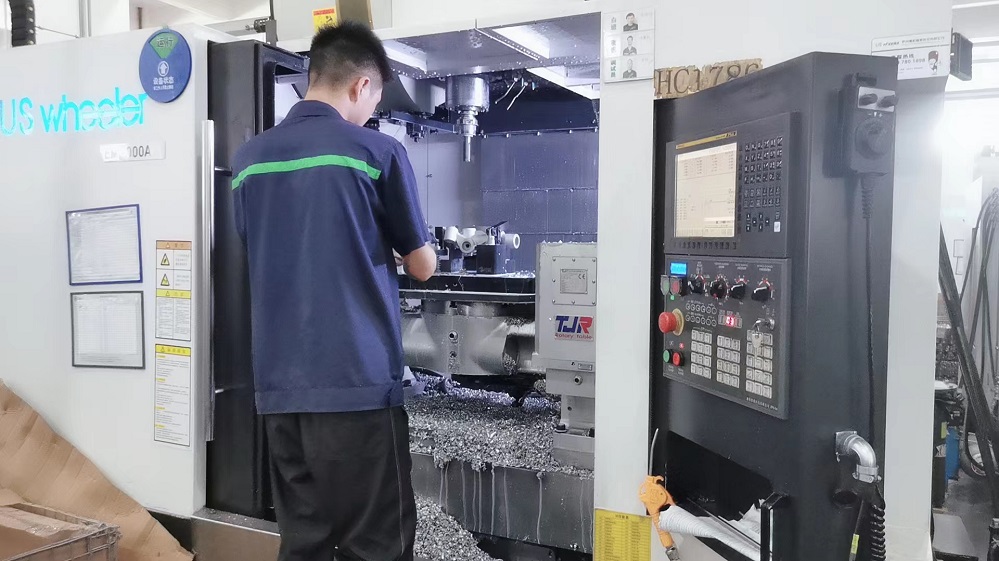
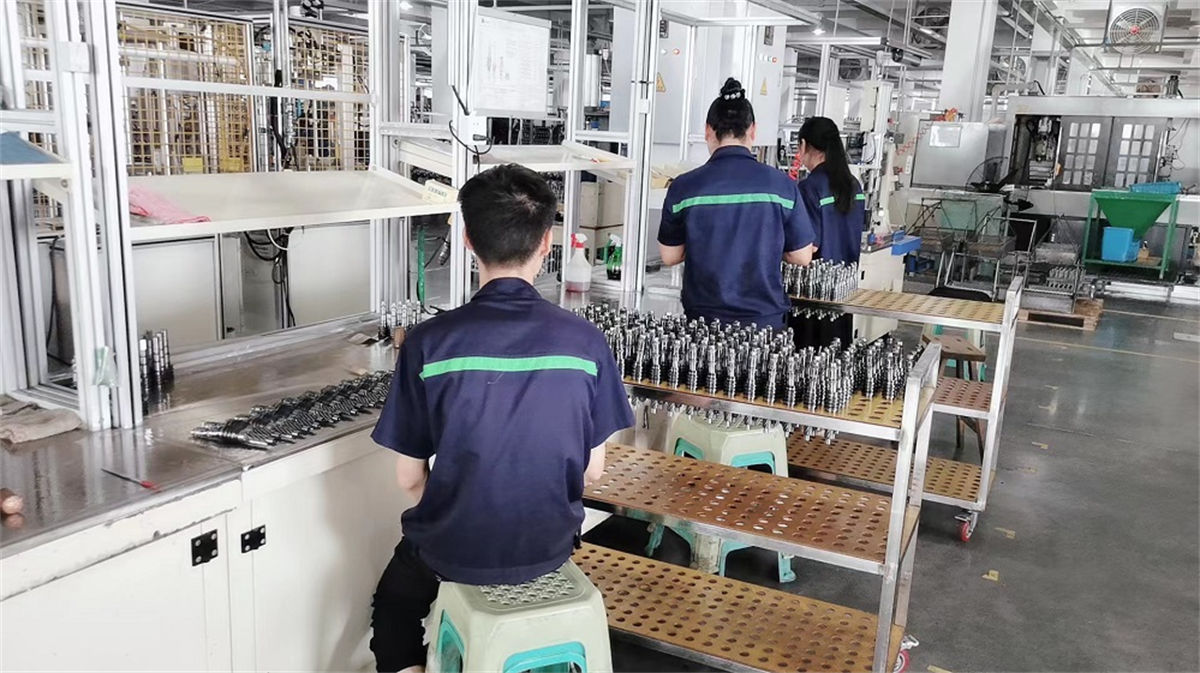
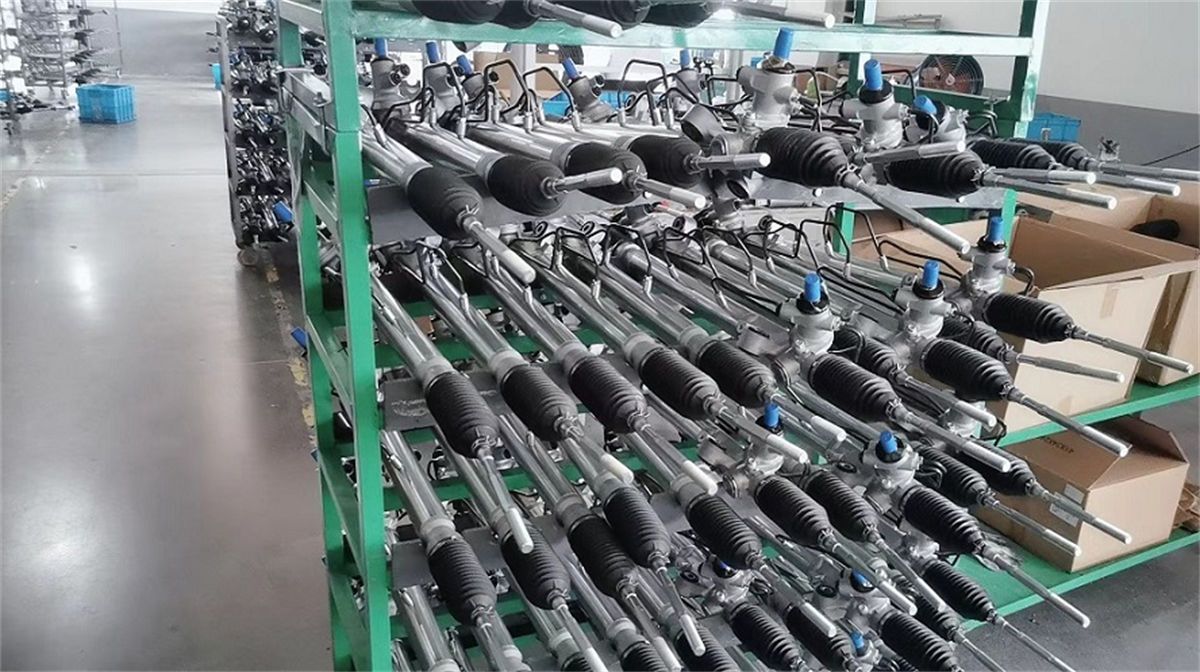
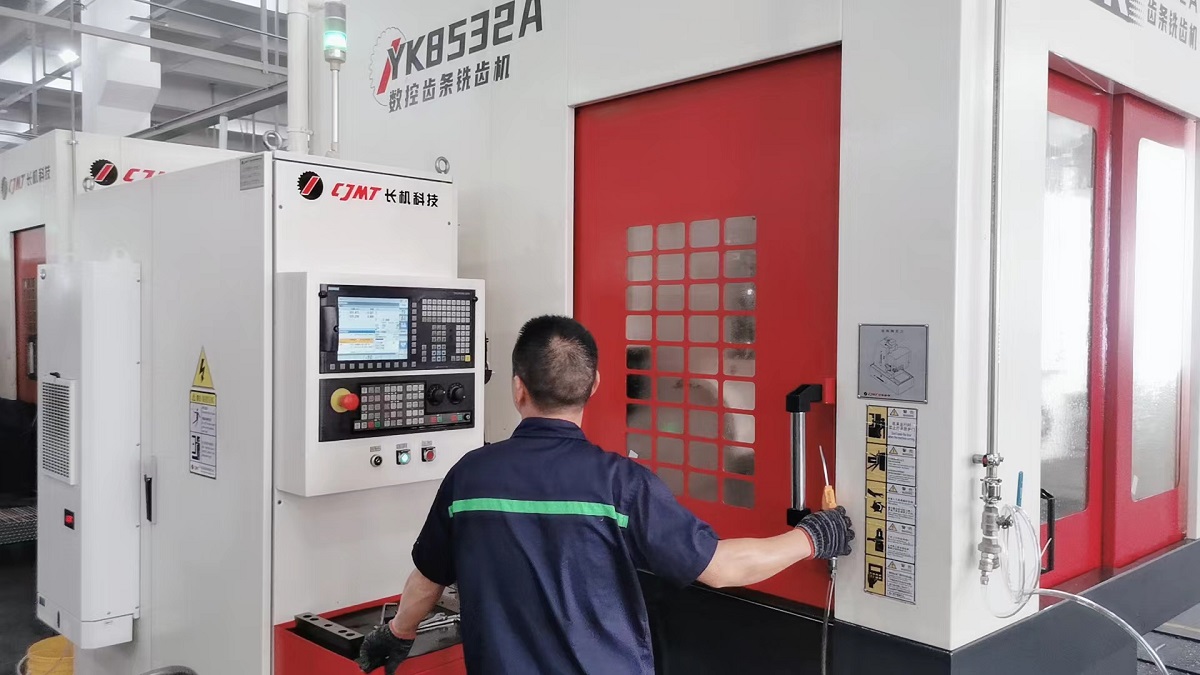
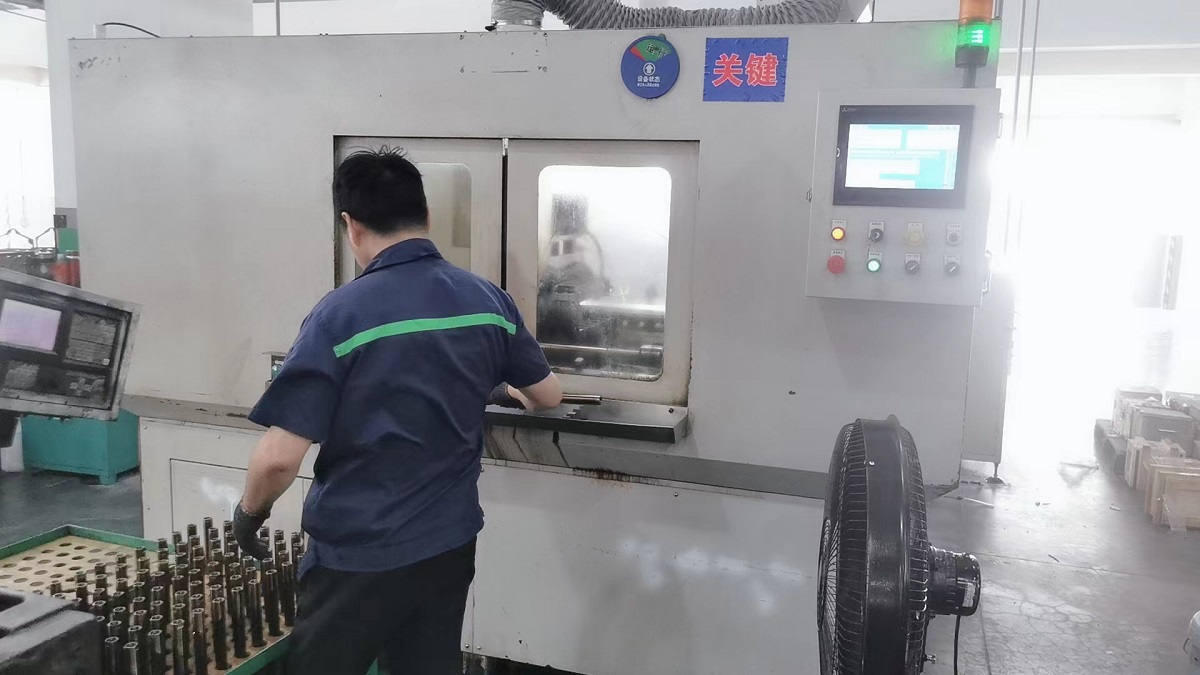
Wenzhou Sedo Auto Co., Ltd. has developed into a specialized manufacturer in the automotive components sector, supported by a highly skilled production and sales team. The enterprise integrates research & development, manufacturing, and sales, specializing in high-performance automotive pumps, engine cooling system accessories, and structural automotive components. By continuously introducing advanced production equipment and modern management systems, the company ensures its products are durable and meet rigorous industry specifications.
Guided by the philosophy of "Credit First, Customer First, Quality Satisfaction, On-Time Delivery", Sedo Auto focuses on analyzing client technical specifications, promoting eco-friendly production methods, and optimizing production processes. The company's dynamic R&D department works closely with domestic and international clients to provide custom solutions designed for diverse operational requirements.
Our facility houses specialized machinery, enabling in-house production control from design validation to structural finishing.
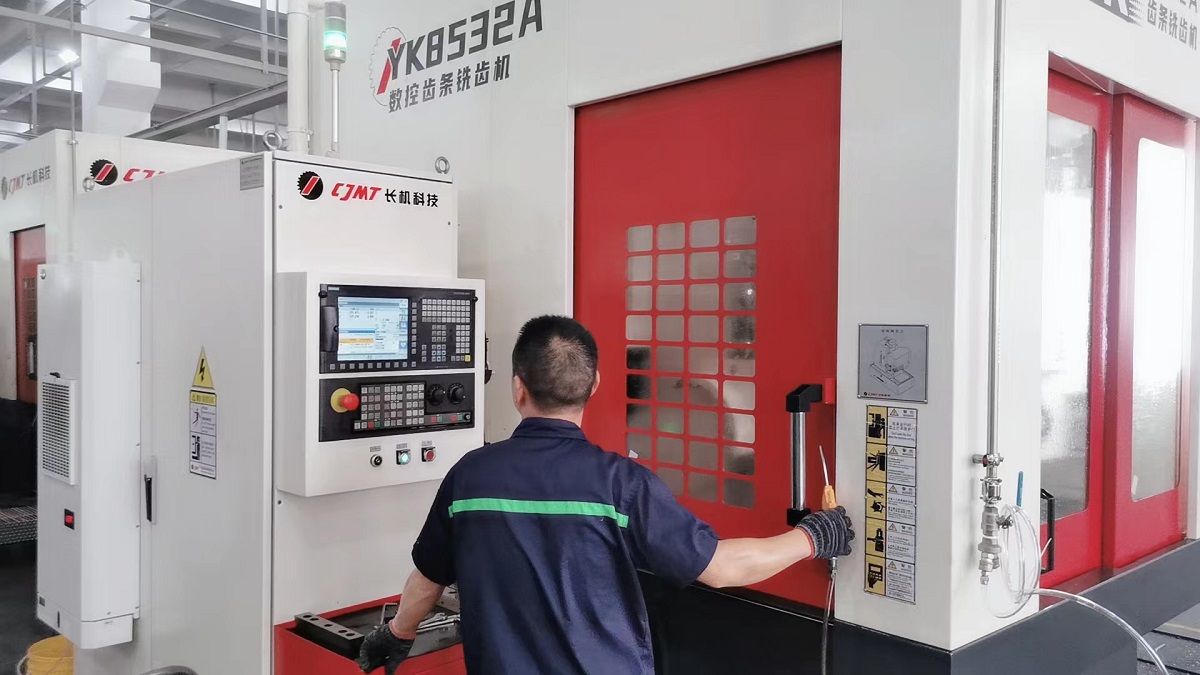
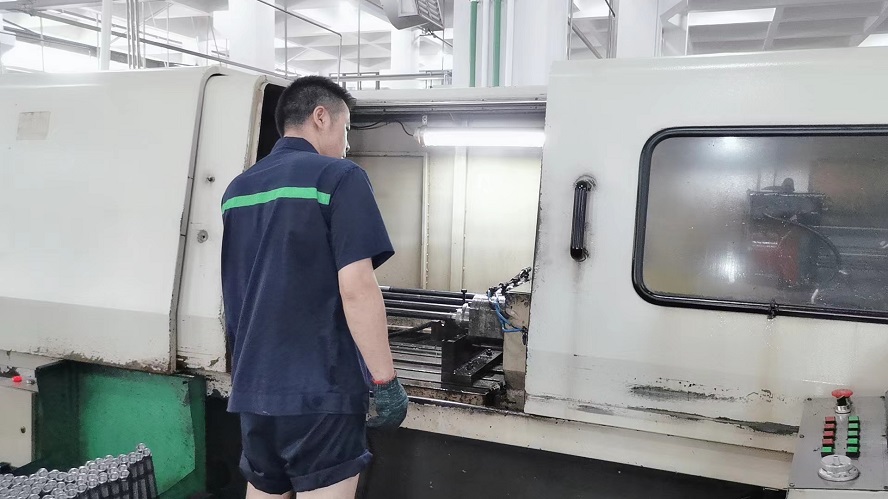
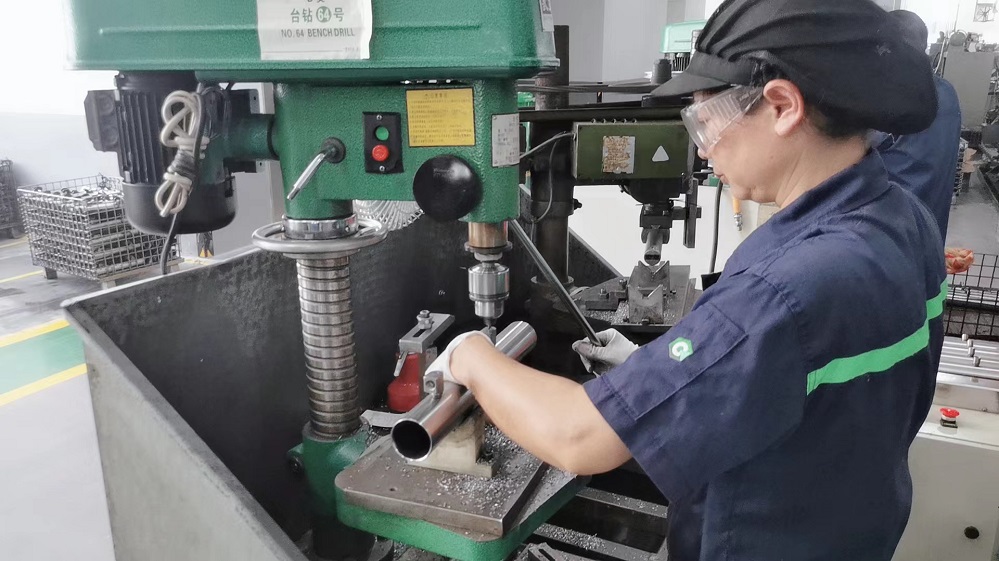
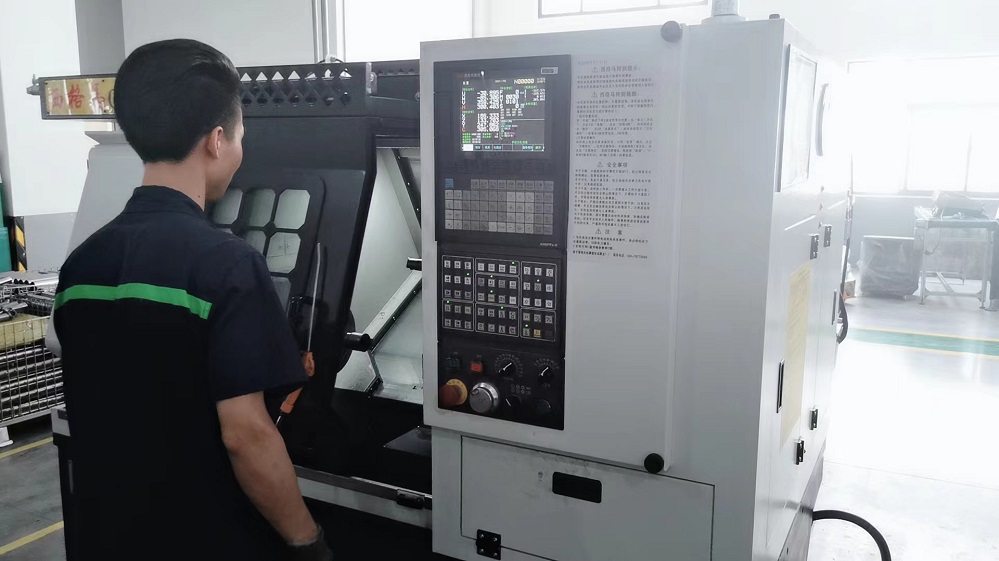
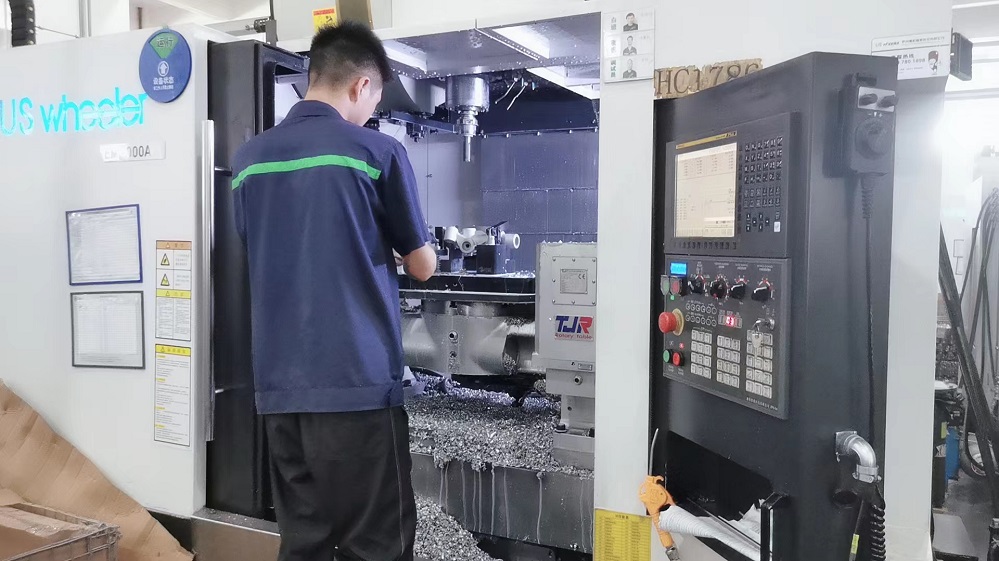
Integrated engineering designs, materials compliance, and strict testing protocols for reliable global shipping.
Modern engine assemblies require a holistic cooling ecosystem. High-performance water pumps must work in tandem with electronic fan systems, radiator hoses, and smart thermostat housings to form a cohesive thermal management circuit. When a single element performs sub-optimally, internal combustion pressures drop, leading to incomplete combustion cycles, carbon buildup, and risk of critical cylinder block warp.
To support global supply chains, Wenzhou Sedo Auto Co., Ltd. implements complete traceability protocols. Material formulations undergo spectrum analysis to confirm glass-fiber percentage and prevent degradation from thermal aging. Finished assemblies undergo structural vibration, water resistance, and endurance testing prior to distribution, ensuring compatibility with challenging road and climate conditions worldwide.
Production batches are Laser-engraved with custom matrix IDs, matching production records with raw materials logs.
Standard operations processes follow international automotive quality standards, managing risks across all assembly stages.
Secured double-wall corrugation and anti-humidity vacuum packaging protect precision bearing surfaces during ocean shipping.
Anticipating requirements for next-generation propulsion: 48V architectures and hybrid thermal management.
As the automotive industry transitions towards hybridization and full electrification, thermal management requirements are changing. Traditional 12V automotive electrical networks are reaching their current limits, driving a shift toward 48V electrical architectures in mild-hybrid (MHEV) platforms. Sourcing 48V electric fan configurations will become common for commercial heavy-duty trucks and high-performance sedans. The increased voltage reduces system weight through smaller wiring cross-sections and increases motor efficiency.
Wenzhou Sedo Auto Co., Ltd. is currently researching high-performance thermal applications, including smart integrated cooling modules that incorporate Brushless DC fans with electric coolant pumps and active grille shutter (AGS) actuators. This integration allows the engine control unit to monitor airflow, coolant pressure, and heat distribution dynamically, adjusting performance to optimize energy consumption and reduce emissions.
Common inquiries from automotive design engineers and global procurement managers.
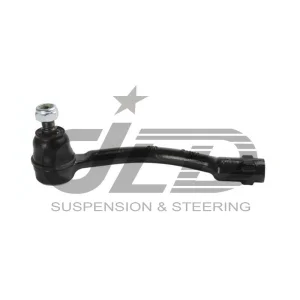
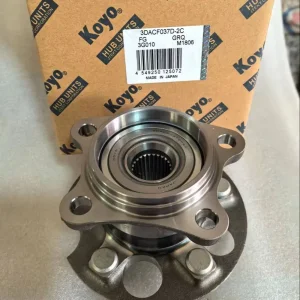
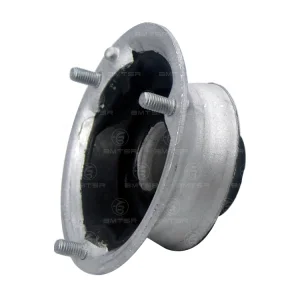
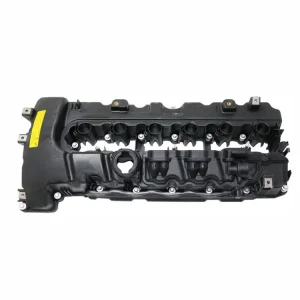
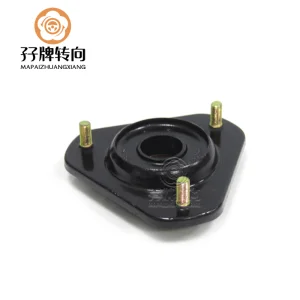
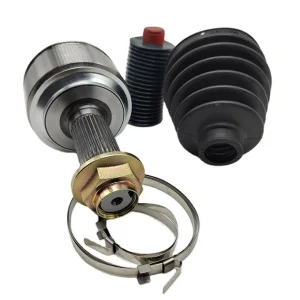
A wide selection of precision chassis parts, engine covers, hub bearings, and cooling accessories.
 Sedo Auto