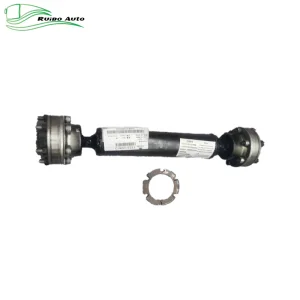
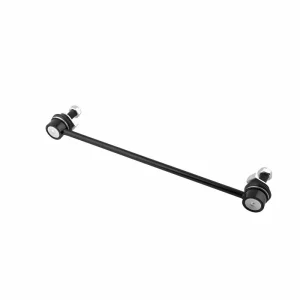
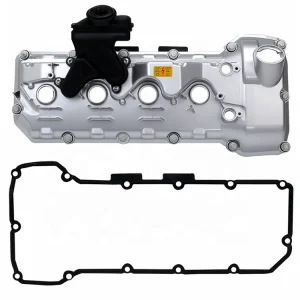
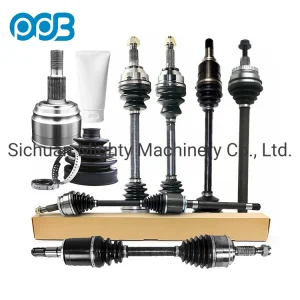
Explore our high-performance precision parts engineered to meet international OEM specifications
A Comprehensive Industry Analysis and Engineering Whitepaper on Thermal Management Systems
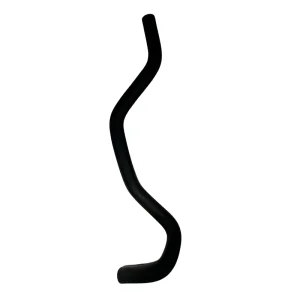
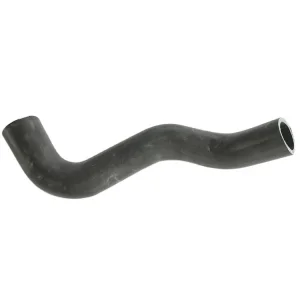
The modern internal combustion engine (ICE) and hybrid electric powertrains operate under highly demanding thermodynamic envelopes. Effective heat dissipation is not merely a matter of vehicle comfort; it is a critical variable governing powertrain longevity, emission compliance, and fuel efficiency. At the heart of this thermal regulation framework is the coolant transfer architecture—specifically, the Automotive Radiator Hose. As prime conduits connecting the radiator, water pump, and engine blocks, these components must tolerate chemical assaults, severe vibration, and extreme temperature fluctuations.
For global Tier-1 procurers, aftermarket distributors, and OEM assembly hubs, identifying a dependable Chinese manufacturing partner involves a rigorous evaluation of technical competency, raw material sourcing, production repeatability, and testing infrastructure. This industry whitepaper explores the critical engineering parameters, production methodologies, and market forces shaping the automotive hose industry in China.
Understanding compound matrices, reinforcing braids, and degradation mechanics
Ethylene Propylene Diene Monomer (EPDM) remains the gold standard in coolant hose production due to its exceptional resistance to heat, oxidation, ozone, and weathering. However, not all EPDM compounds are equal. Leading factories utilize peroxide-cured EPDM matrices rather than sulfur-cured variants. Peroxide-cured EPDM exhibits superior cross-linking density, translating to a broader thermal threshold (-40°C to +150°C), minimal compression set over long service lifetimes, and enhanced resistance to modern organic acid technology (OAT) coolants.
To withstand typical operating pressures (ranging from 0.2 to 0.4 MPa) and burst limits exceeding 1.0 MPa, radiator hoses are reinforced with an embedded textile layer. Standard automotive applications specify high-tenacity polyester knit patterns (either spiral or lock-stitch configurations). For heavy-duty machinery, turbocharged applications, or high-performance commercial vehicles, aramid (Kevlar) fibers are used. Aramid reinforcement ensures dimensional stability under elevated temperatures, preventing ballooning or mechanical fatigue under pressure surges.
A common but hidden cause of coolant hose failure is Electrochemical Degradation (ECD). When the radiator, heater core, and engine blocks are linked by conductive coolant, micro-electrical currents circulate. These currents generate striations and cracks inside the hose tube, eventually leading to weeping leaks. Advanced OEM manufacturers utilize proprietary non-conductive EPDM compounds specifically designed to interrupt electrical pathways, providing high electrical resistance and preventing ECD-induced failures.
Wenzhou Sedo Auto Co., Ltd. — Integrating Advanced Processing Technology & Heavy Industry Machinery
Founded in 2008, Wenzhou Sedo Auto Co., Ltd. has grown into a leading enterprise in the automotive parts industry, supported by a highly skilled production and sales team. The company integrates research & development, manufacturing, and sales, specializing in the production of high-quality automotive pumps and a wide range of automotive accessories. By continuously introducing advanced production equipment and modern management systems, we ensure that our products are innovative, durable, and meet the highest industry standards.
Our extensive product portfolio covers multiple categories, enabling us to serve distributors and customers both domestically and internationally. Over the years, our commitment to quality, reliability, and timely delivery has earned the trust and appreciation of clients worldwide. Guided by the business philosophy of "Credit First, Customer First, Quality Satisfaction, On-Time Delivery", we focus on understanding customer needs, promoting environmentally friendly production, continuously improving product quality, and optimizing production processes.
At Wenzhou Sedo Auto Co., Ltd., we invest heavily in research and development, striving to lead industry trends and introduce cutting-edge automotive technologies. Our R&D team works closely with clients to provide customized solutions that meet diverse market demands. In addition to business excellence, we are committed to corporate social responsibility, actively participating in community development and promoting sustainable manufacturing practices.
We leverage industrial-grade CNC processing centers and automated systems to maintain ultra-precise tolerances on all components
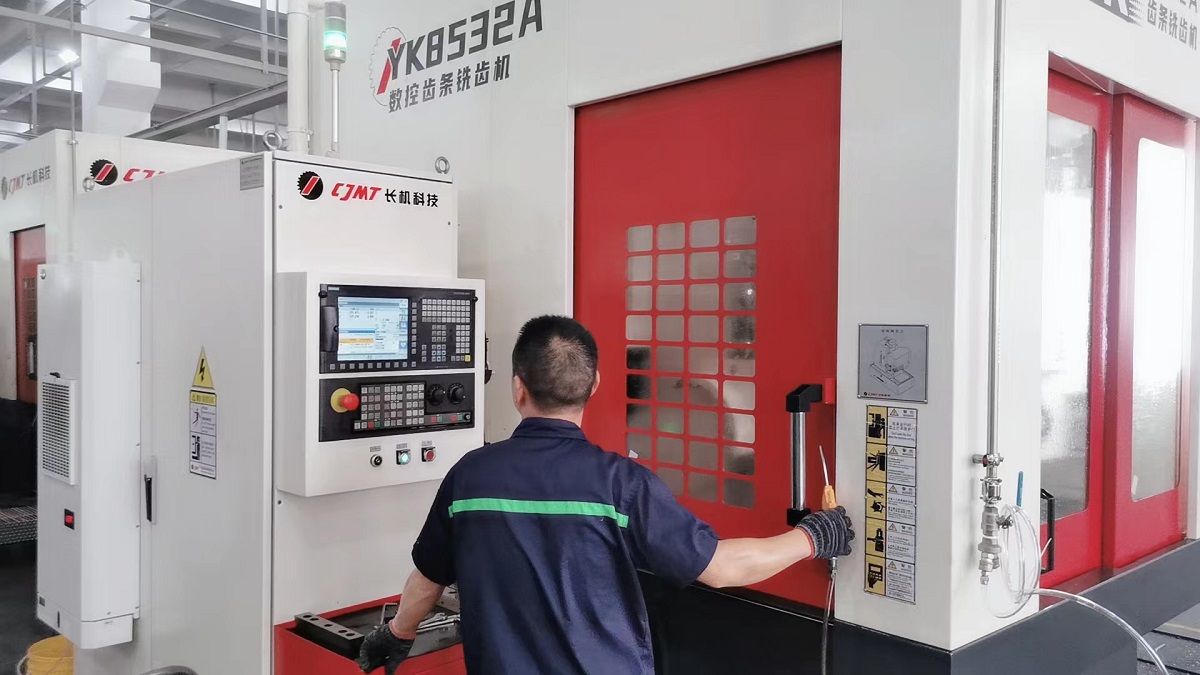
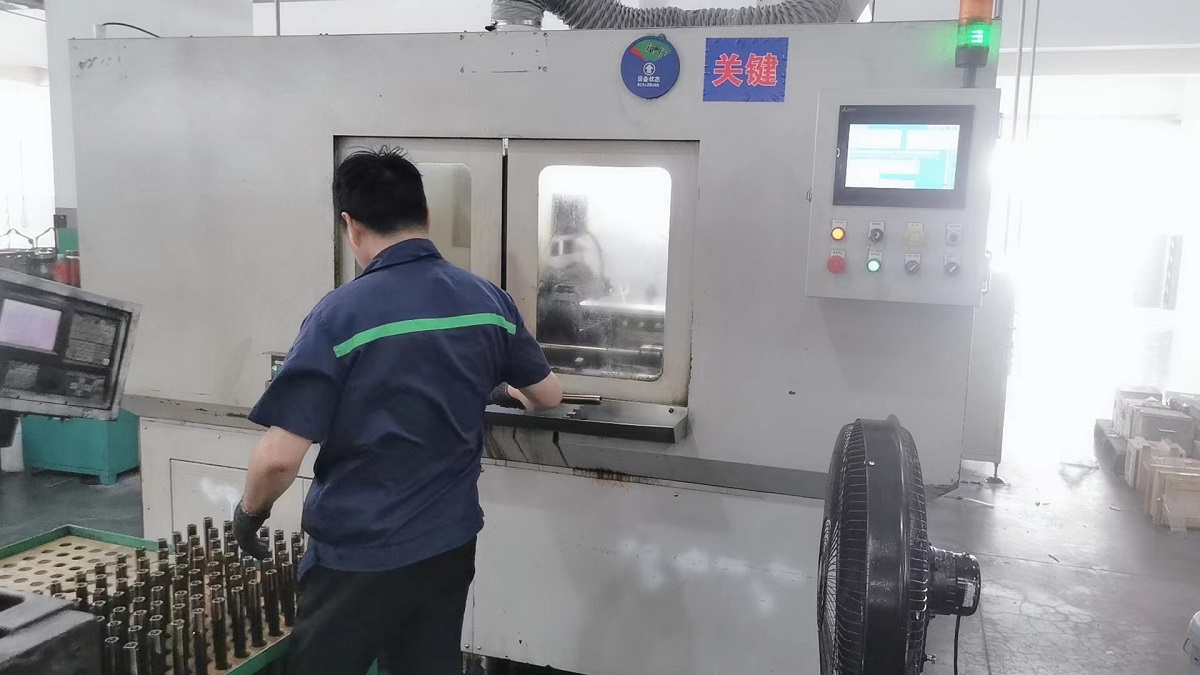
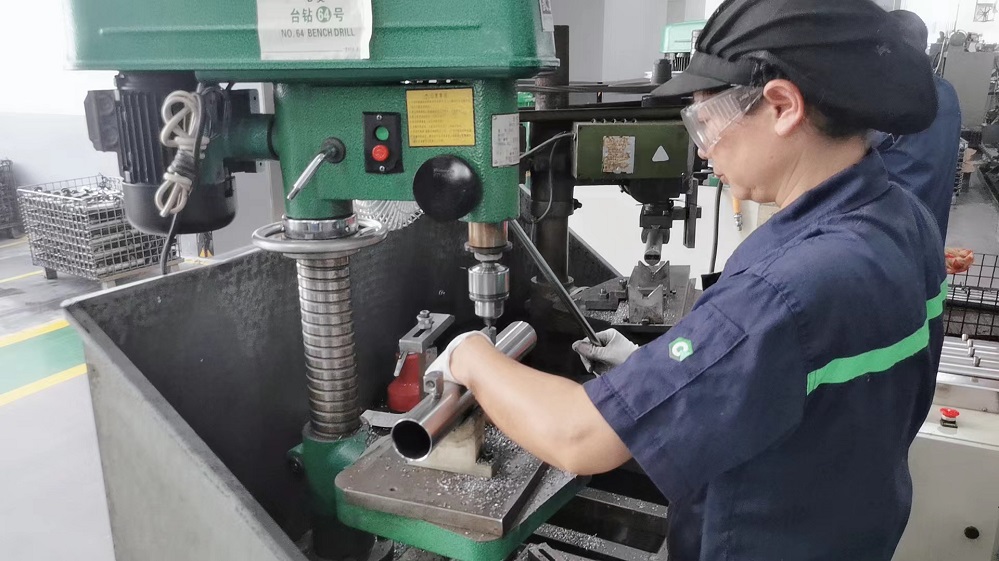
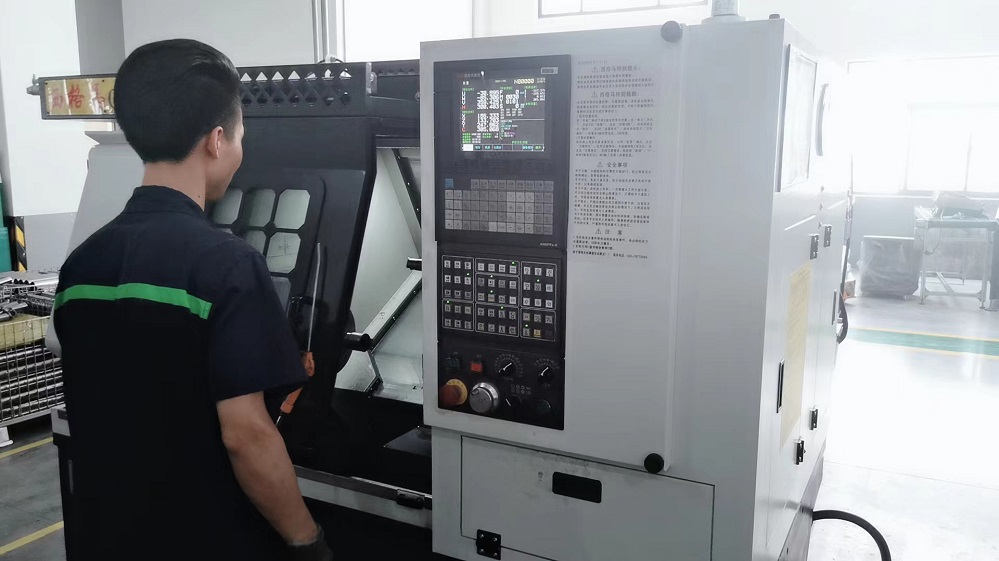
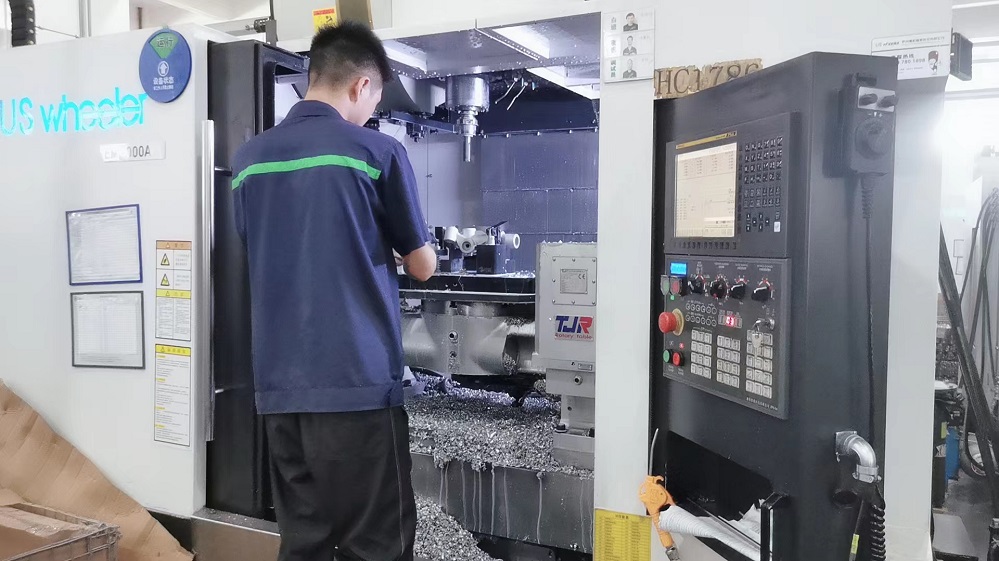
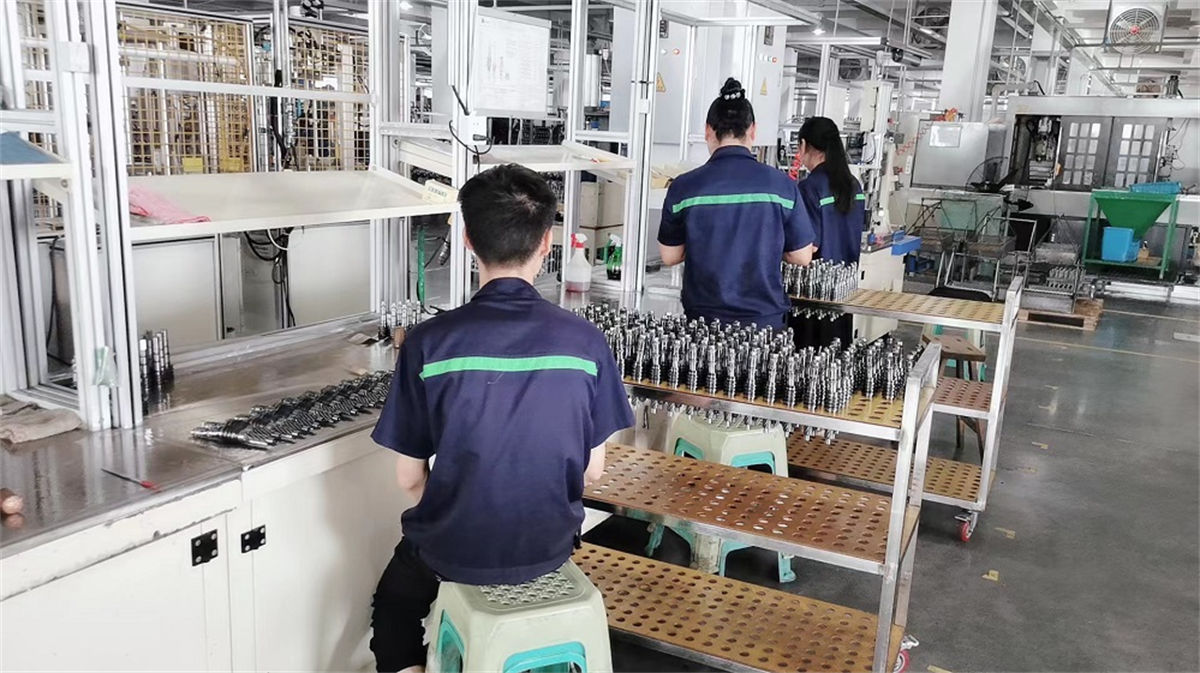
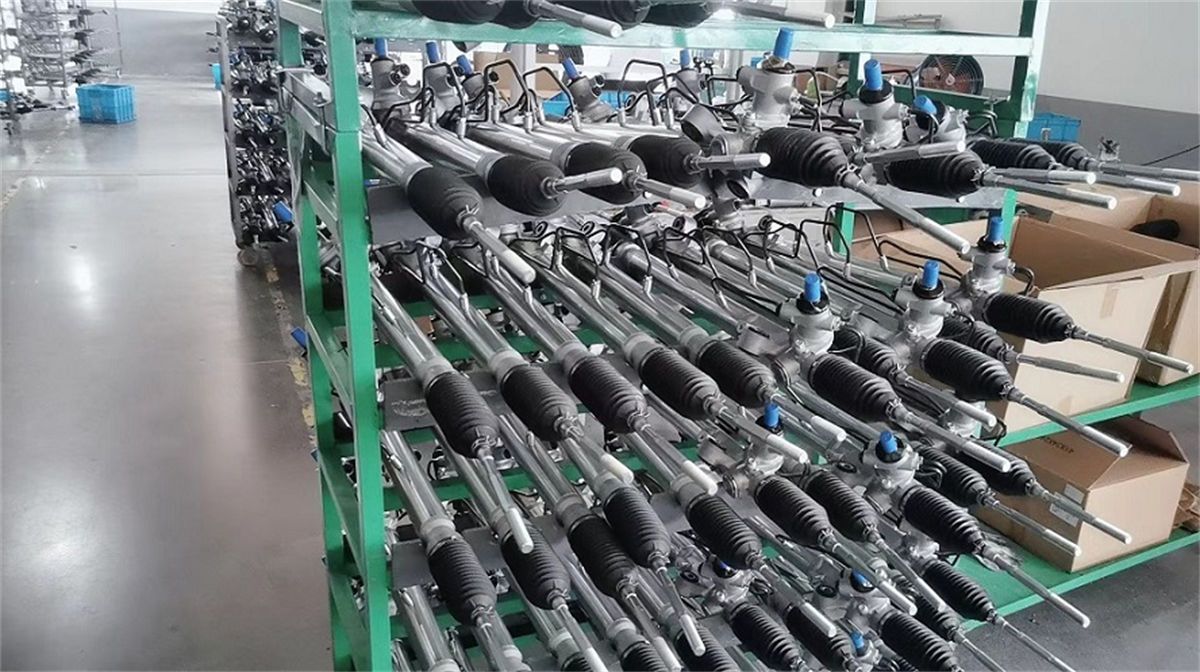
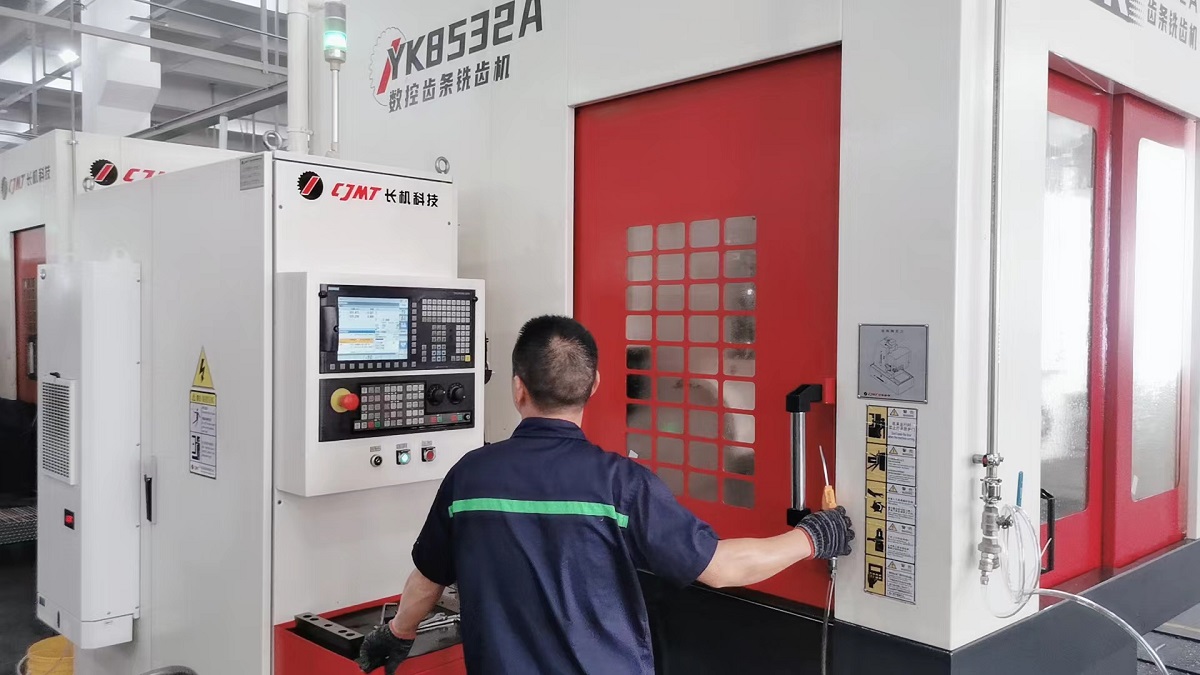
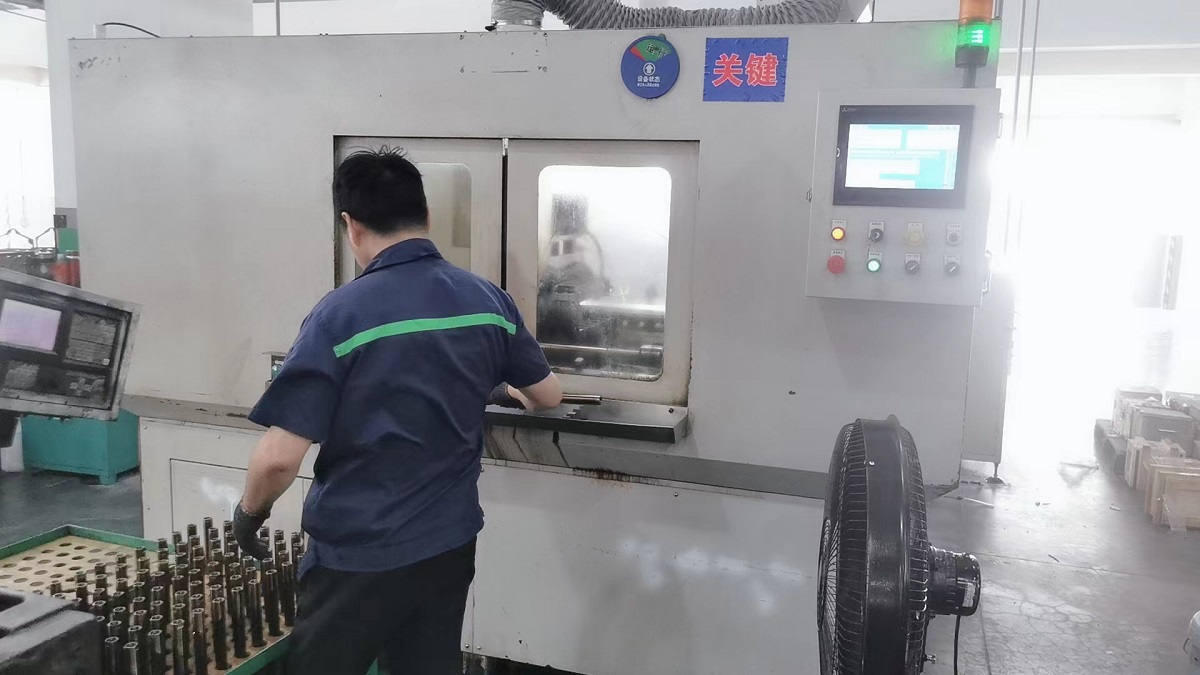
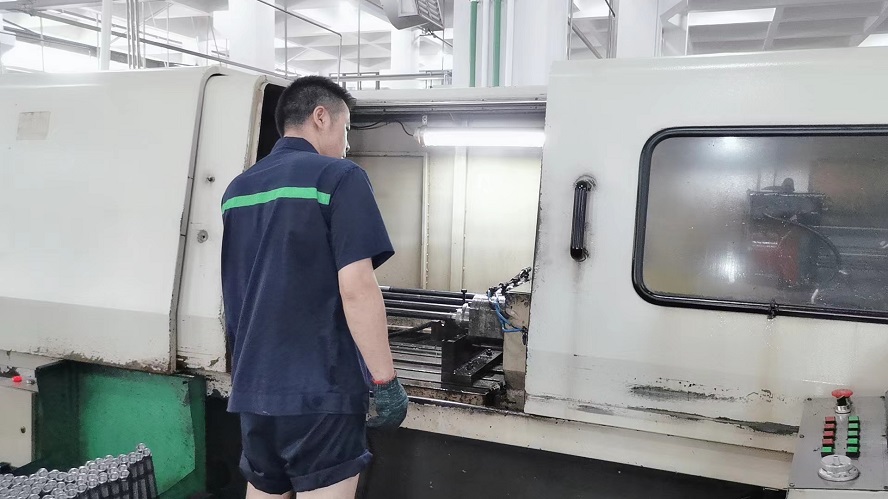
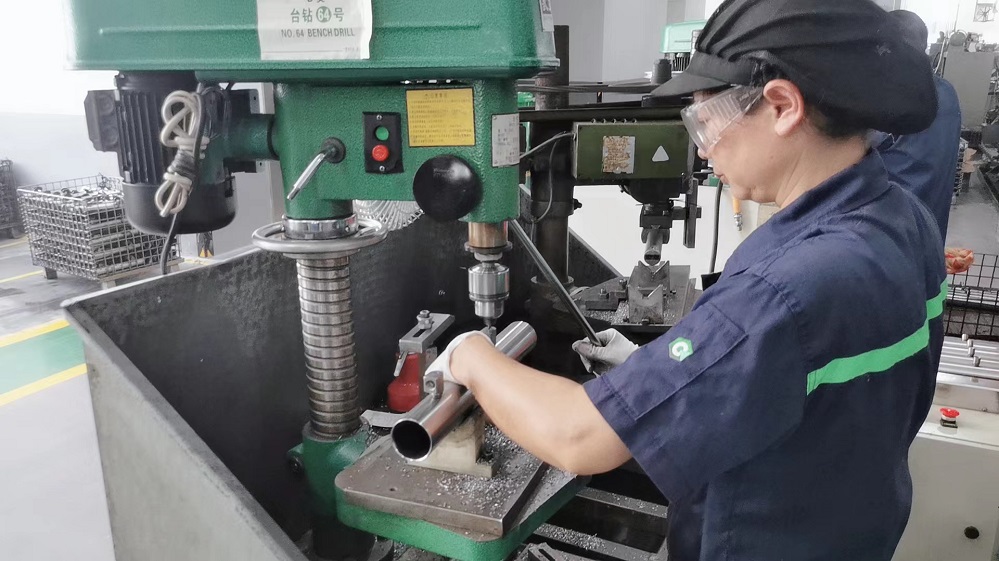
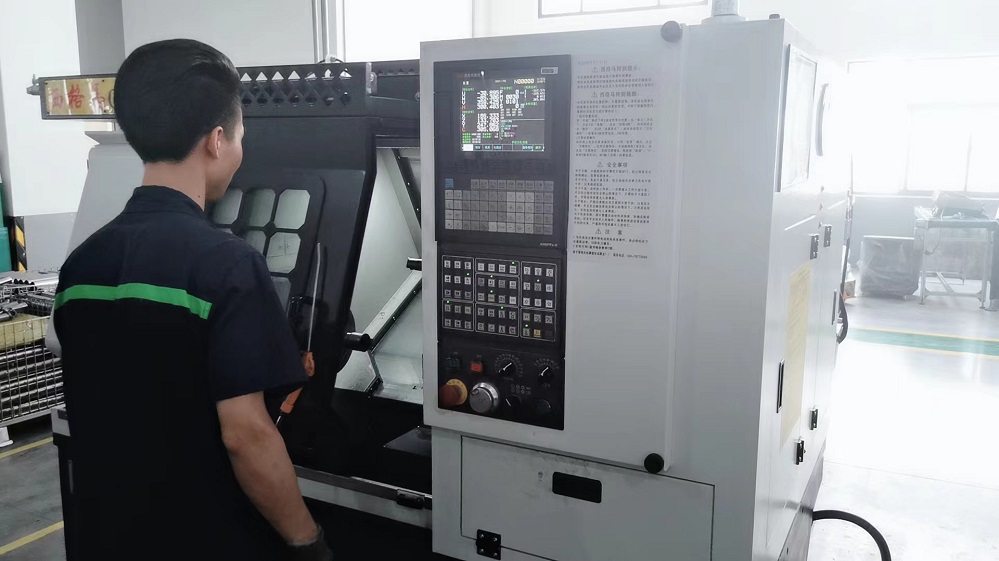
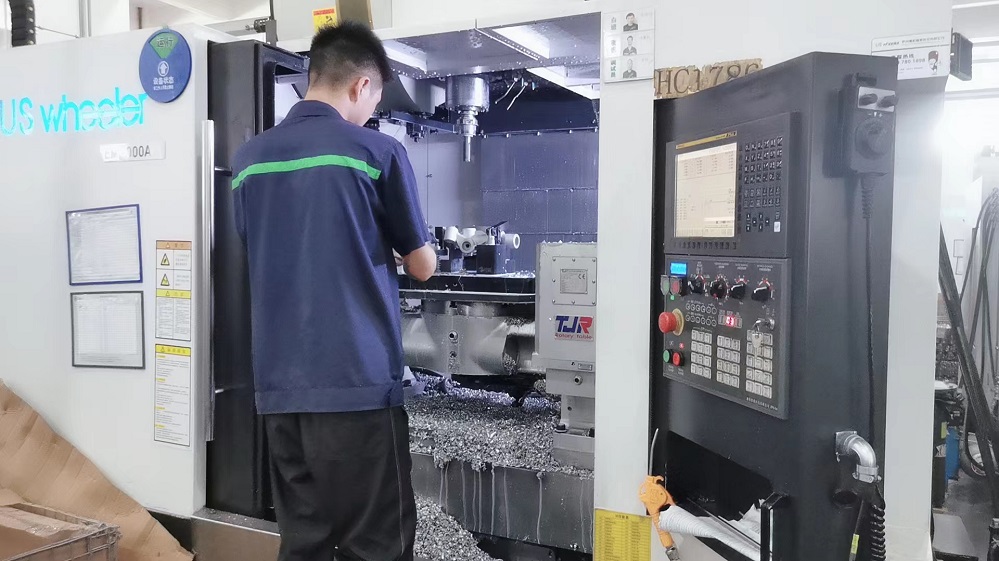
Guaranteeing zero-defect product runs and optimal sealing integrity under pressure
In the automotive aftermarket and OEM sectors, reliability is the bottom line. Fluid dynamics inside an engine cooling system present multi-directional stresses. Over-pressurization, sudden thermo-cycling, and environmental degradation can induce catastrophic engine failure if the hose wall structural integrity is compromised. Standard ISO 9001 and IATF 16949 compliance dictate rigorous testing routines:
Hoses are pressurized past their mechanical limits (often exceeding 2.0 MPa) using high-precision water systems to map plastic deformation and locate failure points.
To replicate harsh environments, samples are exposed to concentration-regulated ozone chambers, evaluating cracking thresholds of the outer rubber layer.
Determining the bond strength between the inner EPDM tube, knit fabric layer, and outer protective cover to prevent delamination under radial pressure.
Validating chemical compatibility and testing under current loads to guarantee zero ECD (Electrochemical Degradation) across 100,000 miles.
Supporting purchasing managers with structured production phases and transparent fulfillment
Managing international procurement in the automotive sector requires clear transparency, documented milestones, and logistical planning. Wenzhou Sedo Auto Co., Ltd. coordinates every phase of order fulfillment—from initial tooling design to final customs clearance—minimizing risk and supporting our partners.
Once we receive the customer's blueprints or original OEM samples, our engineering department creates 3D CAD designs. We utilize modern CNC machining centers to produce rapid tooling. Prototype samples are then run and submitted alongside a Production Part Approval Process (PPAP) dossier, including material formulation analysis and dimensional inspection reports.
After sample approval, volume production begins. The compound material is fed into automated cold-feed extruders to form the inner tube. A high-speed knitting machine winds the reinforcing yarn pattern around the core before the outer rubber cover is applied. The assembly is then transferred to custom-shaped mandrels and autoclaved under steam pressure to vulcanize the rubber into its final shape.
Finished hoses undergo laser dimensional checking and air leak testing. Custom part numbers, barcode markings, and client logos are printed directly onto the product. Packaged shipments are palletized using heavy-duty, moisture-proof wraps, ensuring safe transit to international freight forwarding ports like Ningbo or Shanghai.
Adapting manufacturing parameters for the electric vehicle (EV) transition and sustainable operations
Electric vehicles require battery thermal management networks. Unlike internal combustion engine hoses that handle higher operating temperatures, EV coolant lines demand lower permeation rates, complex branching geometries, and lighter weight profiles. We are expanding our production capabilities for thin-walled EPDM-thermoplastic vulcanizate (TPV) co-extrusions to meet these requirements.
Environmental regulations like REACH and RoHS require clean raw materials. We are phasing out heavy metals and hazardous accelerators from our rubber formulas, adopting bio-based plasticizers and recycled carbon black to lower our carbon footprint without sacrificing safety or performance.
Our factory plans to introduce automated visual inspection systems powered by AI on our extrusion lines. Real-time cameras scan extruded profiles for micro-tears or thickness variations, instantly alerting operators and virtually eliminating defects before vulcanization.
Practical answers to common design, engineering, and manufacturing questions
Premium replacement parts engineered for compatibility and longevity across multiple vehicle makes
 Sedo Auto