Explore our primary selection of precision-machined suspension links, steering rods, engine systems, and dampening modules. Each product is engineered to guarantee critical wheel alignment parameters under extreme structural loads.
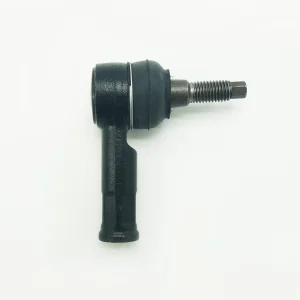
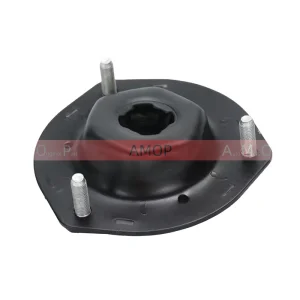
In modern automotive engineering, the interaction between the vehicle's chassis, suspension links, and steering mechanisms determines driving safety, handling dynamics, and tire longevity. Automobile wheel alignment is not merely a maintenance checklist item; it is the precise geometric configuration of steering angles relative to the vehicle's longitudinal axis and the road surface. This geometry comprises three critical adjustments:
Over time, dynamic forces, road vibrations, and component wear degrade these angles. Components such as control arm bushings, tie rod ends, sway bar links, and shock absorber strut mounts act as the anchoring nodes of this geometry. When a single tie rod end or strut mount develops microscopic play (even < 0.5mm), the wheel alignment collapses, leading to wandering steering, safety hazards, and premature tire replacement cycles.
At Wenzhou Sedo Auto Co., Ltd., we invest heavily in research and development, striving to lead industry trends and introduce cutting-edge automotive technologies. Our R&D team works closely with clients to provide customized OEM and ODM solutions that meet diverse market demands worldwide.
Guided by the business philosophy of "Credit First, Customer First, Quality Satisfaction, On-Time Delivery", we focus on understanding customer needs, promoting environmentally friendly production, continuously improving product quality, and optimizing production processes.
Our extensive product portfolio covers multiple categories, enabling us to serve distributors and customers both domestically and internationally. Over the years, our commitment to quality, reliability, and timely delivery has earned the trust and appreciation of clients worldwide.
The global automotive steering and suspension market is undergoing rapid evolution. According to industrial manufacturing indicators, market growth is propelled by escalating requirements for vehicle safety systems, increasing fleet lifespans, and the technical changes introduced by electric vehicle (EV) architectures. Because electric cars feature high curb weight due to massive battery packs, the mechanical stress on the wheel assembly, bearing hubs, tie rod ends, and shock mounts is heightened by up to 30% compared to traditional internal combustion engines (ICE).
The demand in North America focuses primarily on heavy-duty application tolerances, light trucks, and utility vehicle platforms. Because these vehicles travel vast distances over varying road terrains, tie rod ends and control arms require specialized surface finishes (e.g., electrophoretic deposition and black oxide treatments) to survive corrosive environments, extreme weather shifts, and high mechanical impact without structural failure.
The European market is dominated by strict regulatory requirements, such as the IATF 16949 certification, and a preference for precise performance handling. European passenger cars require extremely tight tolerances in the alignment elements (such as sway bar links and stabilizer struts) to ensure directional tracking on high-speed expressways and Autobahns, minimizing vibration feedback to the steering wheel.
Across Latin America, Africa, and parts of Asia, infrastructure expansion and varied road surface conditions require high-durability aftermarket suspension components. Bypassing premium OEM costs, global distributors rely on Chinese manufacturing exporters who supply high-tensile carbon steels, customized forged metal structures, and advanced synthetic rubber seals to prolong service intervals.
As steering systems evolve from traditional hydraulic-assisted setups to fully autonomous and electronic steer-by-wire configurations, the technological demands on structural components have shifted dramatically.
Advanced Driver Assistance Systems (ADAS) rely on cameras, radar, and lidar, all of which calculate driving lines relative to the physical thrust angle of the rear axle. If structural components like tie rod ends or strut mounts suffer wear and skew the alignment by a fraction of a degree, the ADAS algorithms will miscalculate lanes, posing safety risks. Future alignment components must integrate sensor arrays to measure mechanical strain and angular deviations in real time.
The push for electric vehicle range extension requires structural mass reduction. Chassis components are transitioning from traditional heavy cast steels to high-strength forged aluminum alloys, magnesium alloys, and carbon-fiber reinforced polyamides. Maintaining alignment reliability under these lighter configurations requires high-precision machinery centers capable of handling advanced metallurgy without introducing micro-cracks.
Dampening rings, strut mount bushings, and stabilizer links rely on rubber-to-metal bonding technology. Environmental regulations (such as REACH and RoHS) require the elimination of toxic heavy metals and vulcanization agents. Next-generation elastomer formulas must maintain structural elasticity, high tensile strength, and crack resistance across an operating range of -40°C to +120°C.
Quality and reliability in chassis components require strict production control. At Wenzhou Sedo Auto Co., Ltd., our manufacturing plant incorporates computerized numeric controls, custom deep-hole drills, and high-performance grinding centers. Explore our primary manufacturing processes:
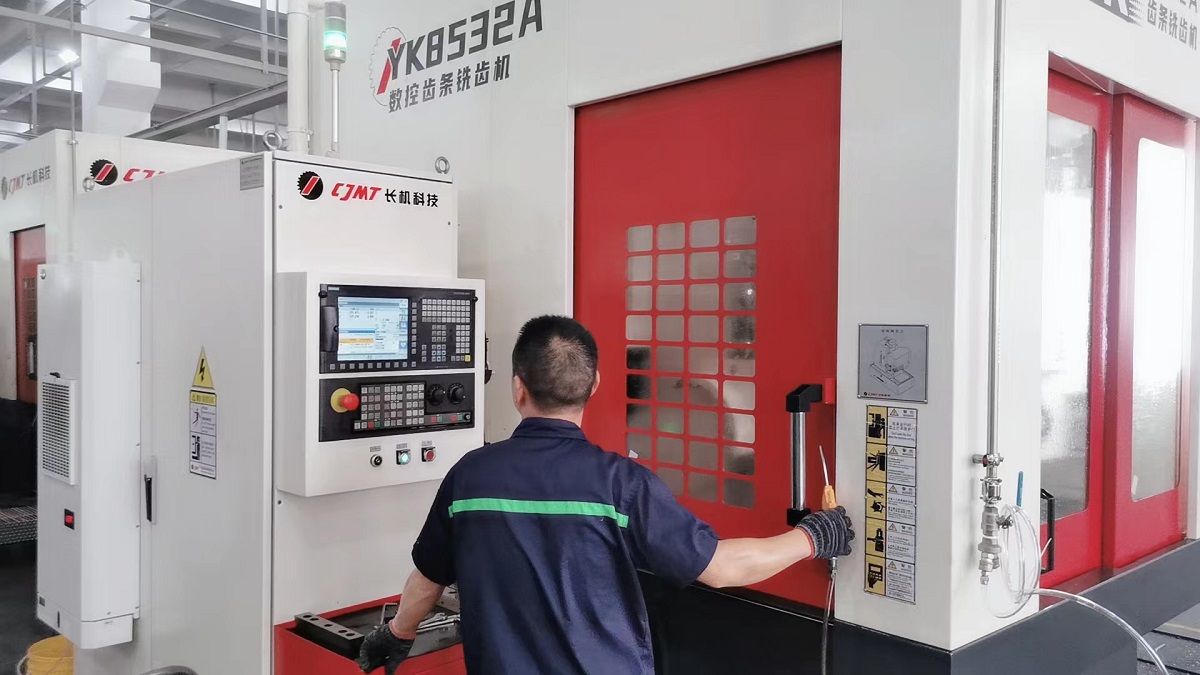
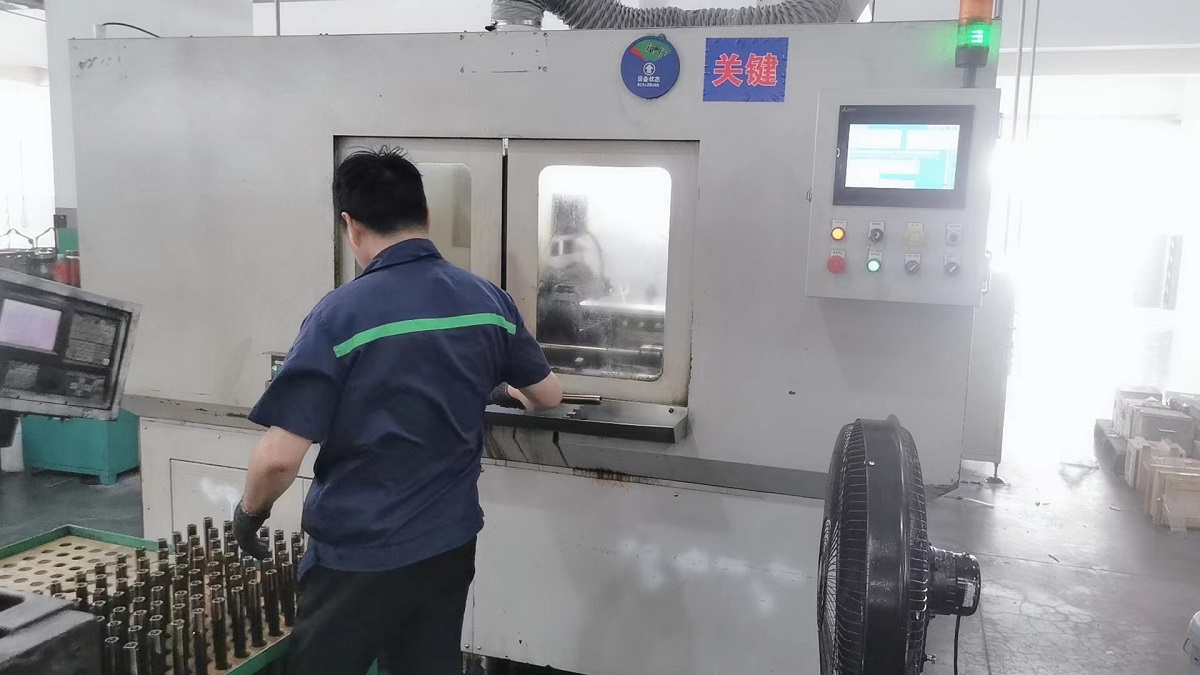
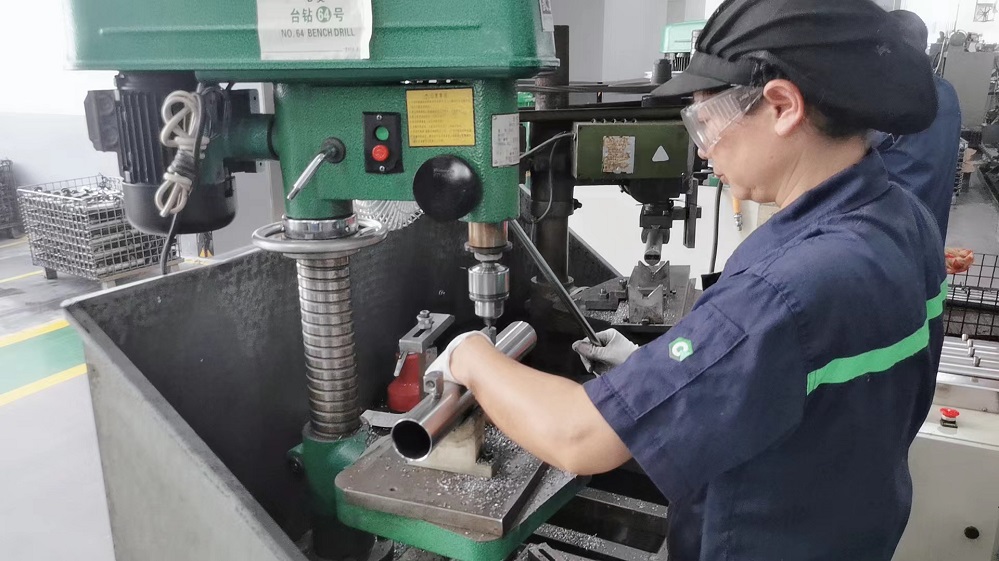
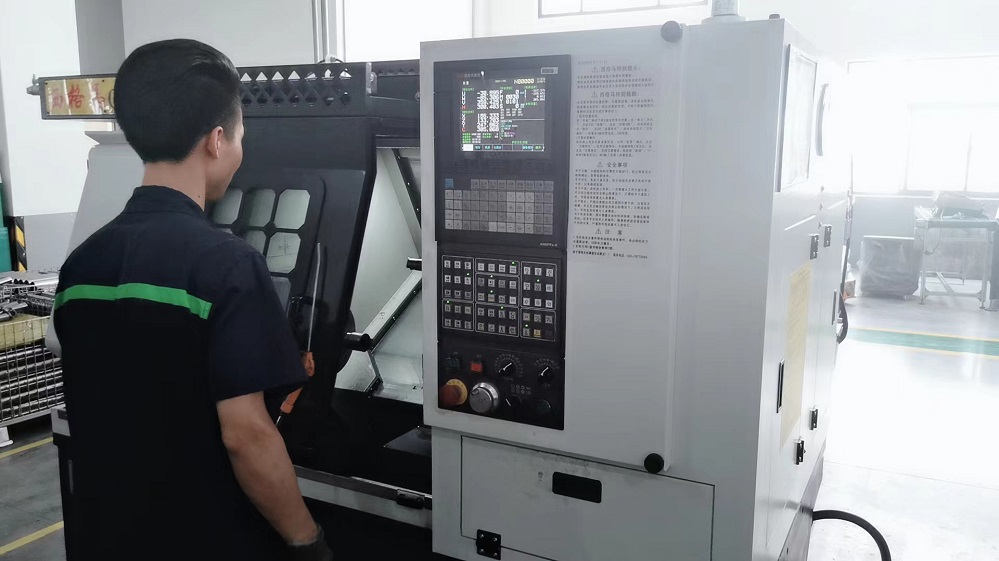
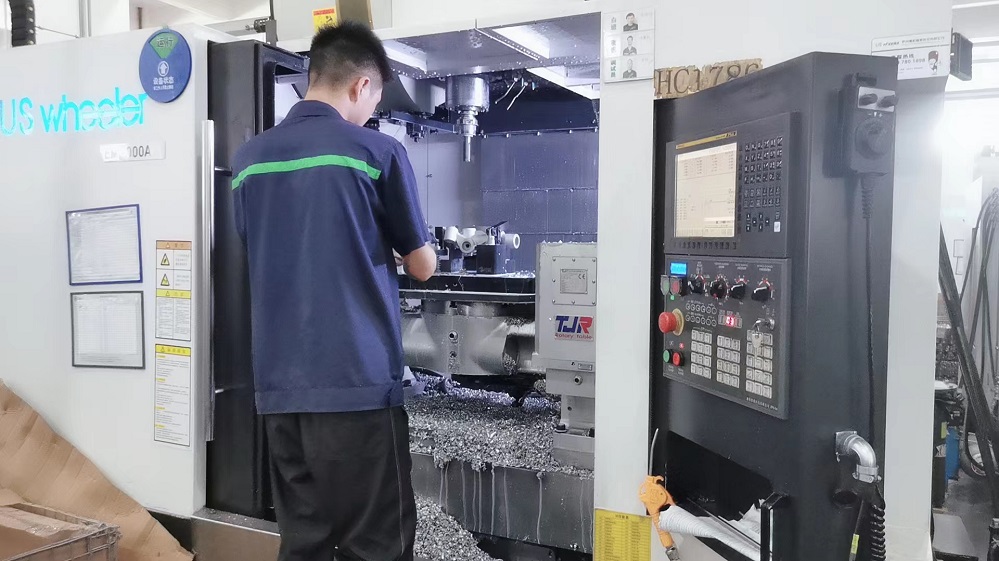
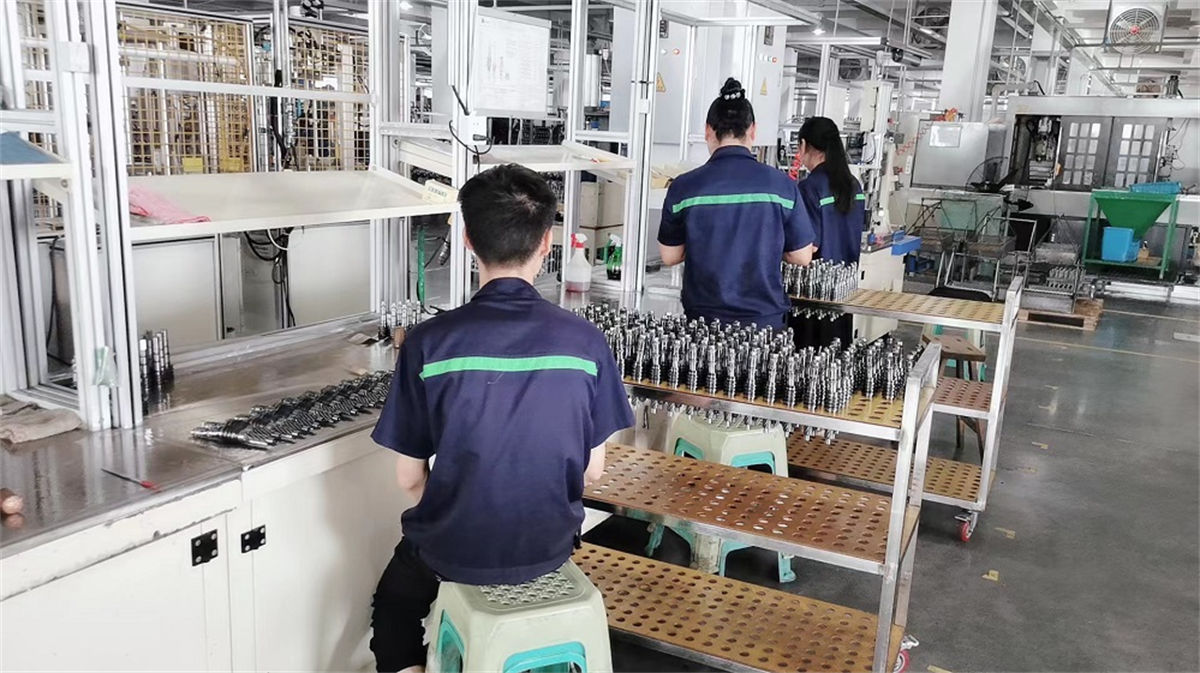
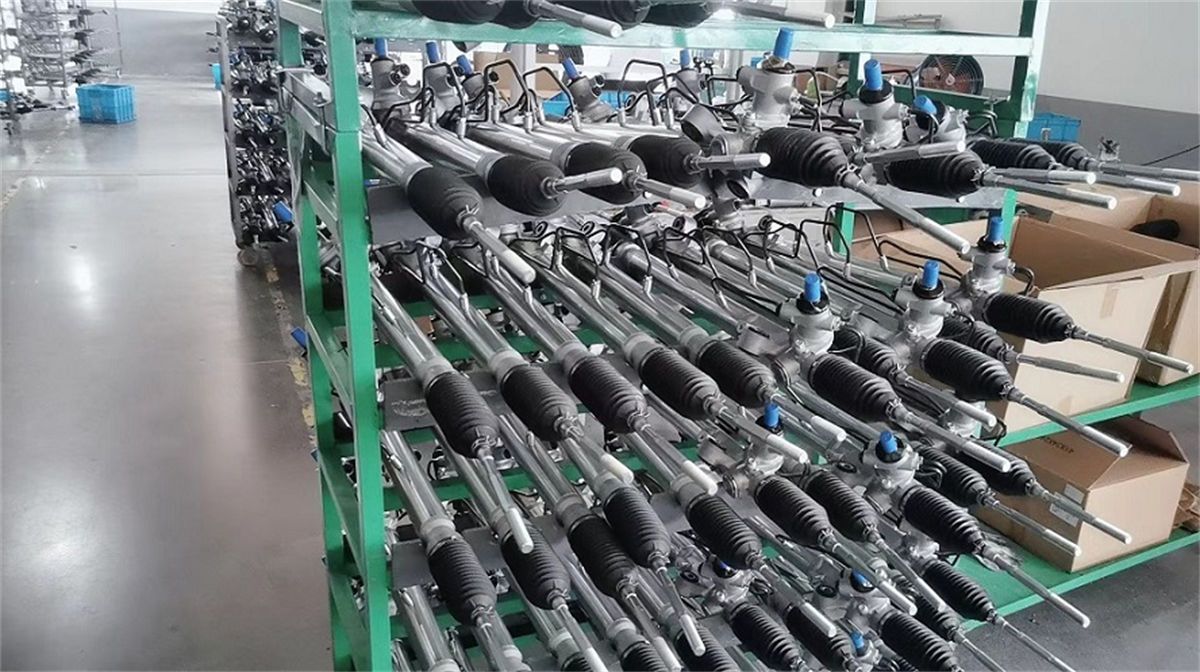
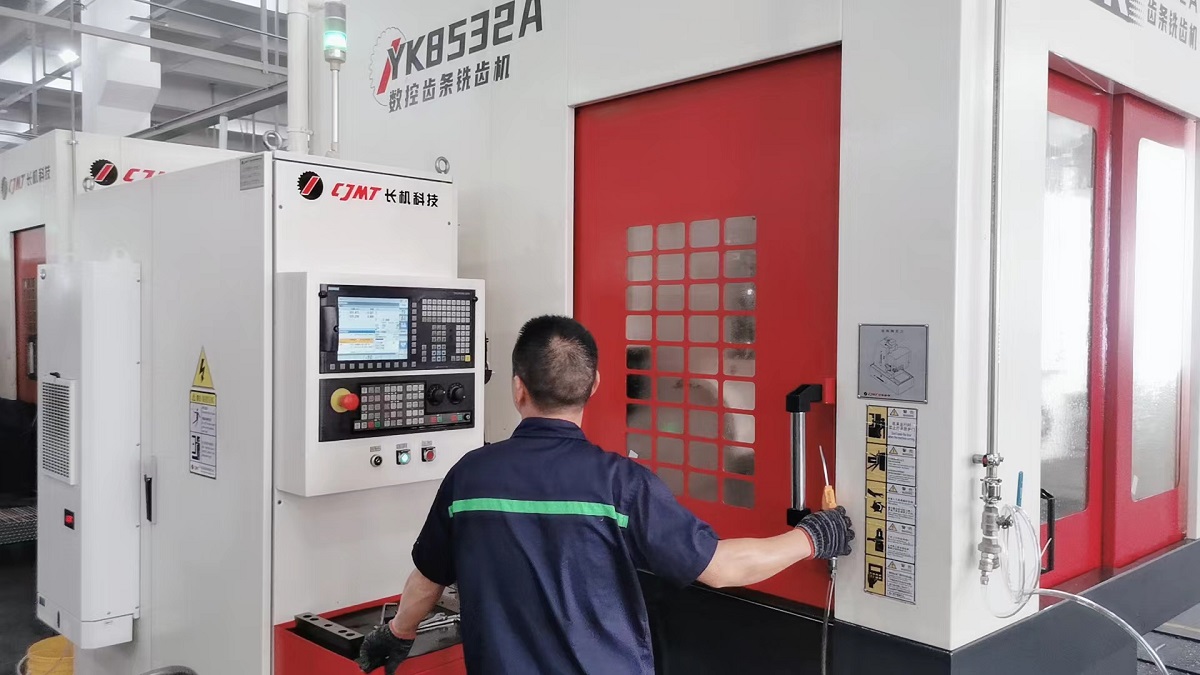
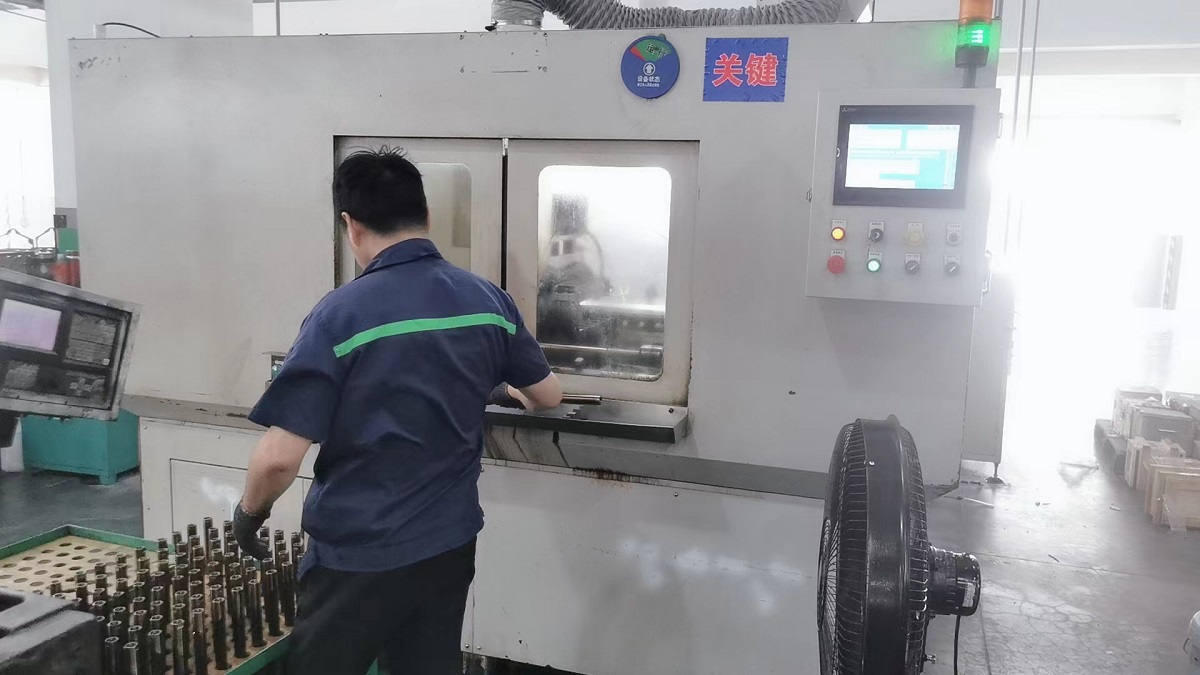
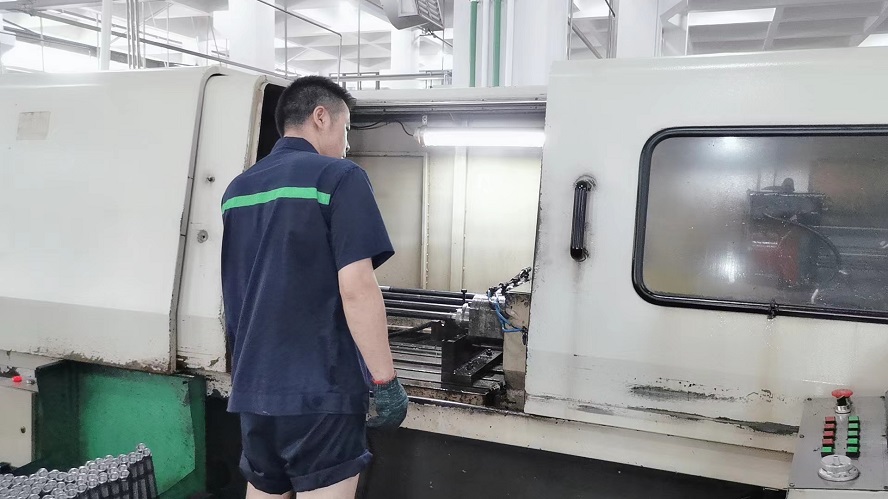
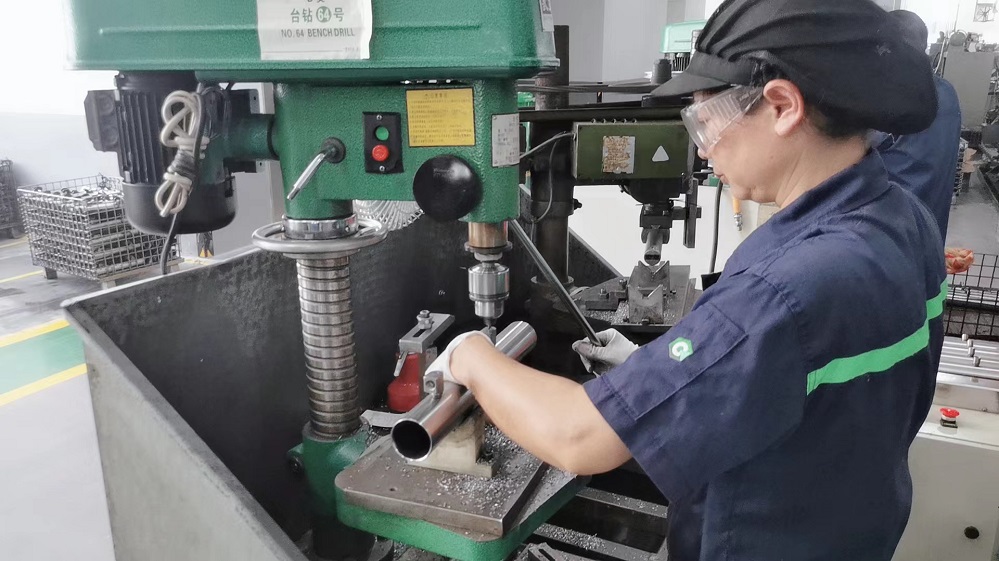
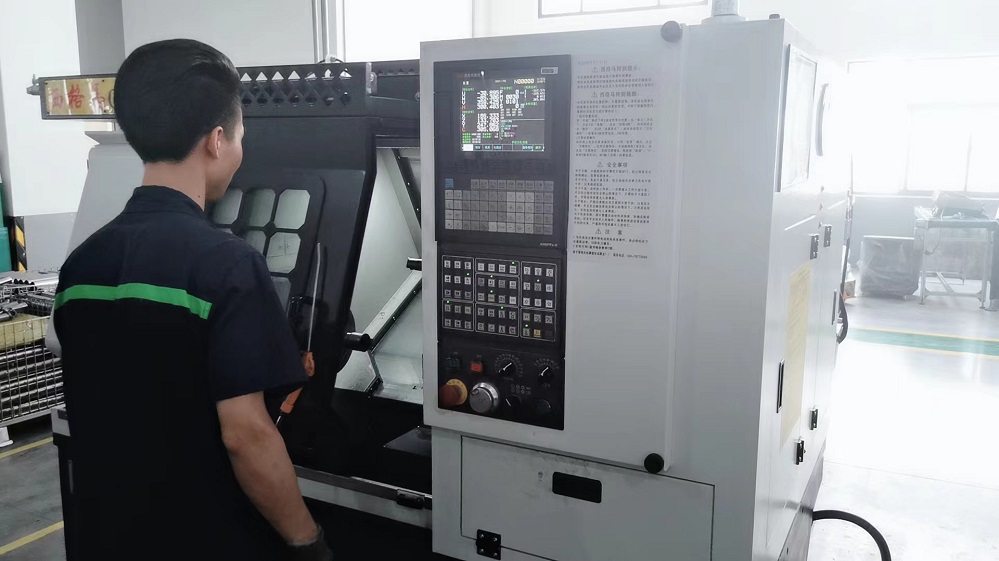
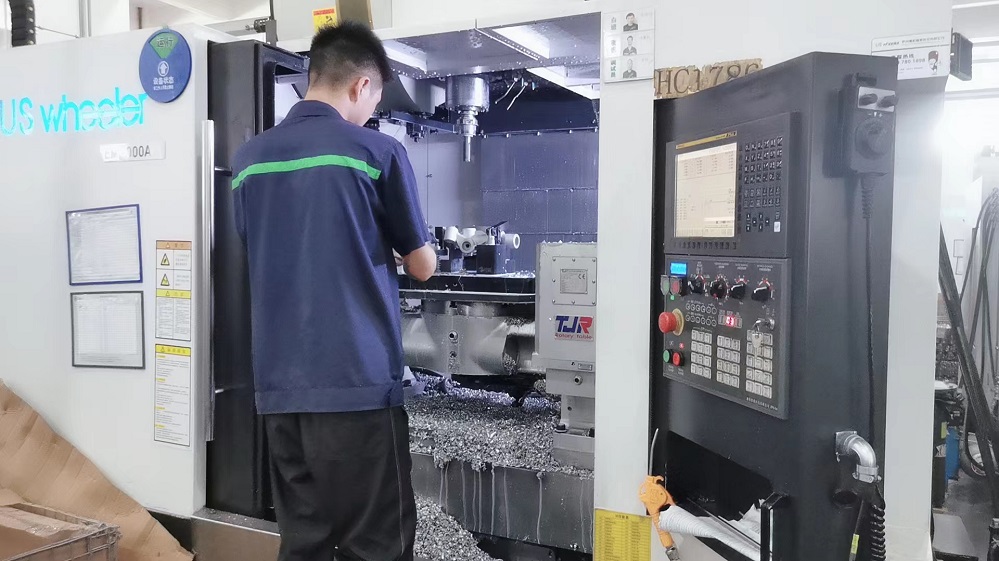
We manufacture steering and alignment parts customized to specific requirements. Our technicians work from design briefs, physical samples, or CAD blueprints to deliver customized components featuring specialized metal grades, custom dimensions, and tailored rubber hardness parameters.
Every batch undergoes metallurgical inspection, salt spray testing for corrosion resistance, tensile fatigue testing, and high-precision Coordinate Measuring Machine (CMM) dimensional verification. This ensures that every alignment link shipped maintains structural integrity.
With a focus on customer satisfaction and on-time delivery, Wenzhou Sedo Auto Co., Ltd. coordinates sea, air, and rail transport. We provide custom anti-moisture packaging, protective surface coatings, and comprehensive documentation to ensure quick customs clearance.
Technical guidance and support for automotive engineers, distributors, procurement departments, and garage owners.
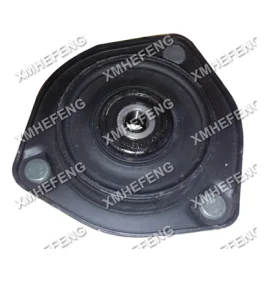
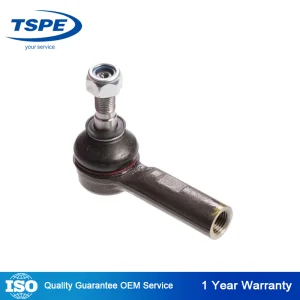
A worn strut mount directly compromises the camber and caster angles by allowing the top of the shock absorber strut to drift from its factory position. Similarly, a worn tie rod end introduces play into the steering linkage, causing toe-in/toe-out drift during acceleration and braking. Replacing worn components is necessary before carrying out a mechanical wheel alignment.
We utilize high-grade structural carbon steels (such as 45# steel and 40Cr) and lightweight aluminum alloys for our steering arms and stabilizer links. Surface treatments include black electrophoretic paint, zinc plating, and Dacromet coating, all designed to exceed 240 hours of salt spray testing to prevent oxidation in cold, road-salted regions.
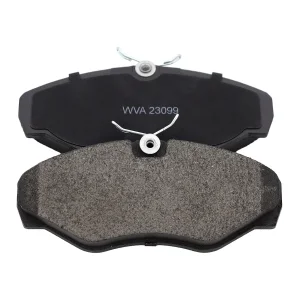
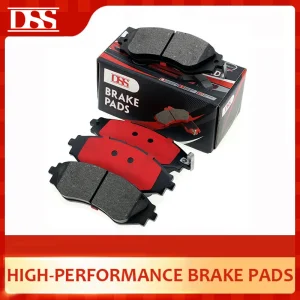
Ceramic brake pads use non-ferrous, clay-composite materials that generate minimal light-colored dust, operate quietly, and offer consistent braking performance across normal temperatures. Semi-metallic brake pads contain 30% to 65% metal particles, providing superior thermal dissipation and braking torque under high-load conditions, though they generate more dust and noise.
IATF 16949 is the global quality management standard for the automotive industry. It requires continuous improvement, defect prevention, and waste reduction in the supply chain. Working with a certified manufacturer like Wenzhou Sedo Auto Co., Ltd. ensures consistent quality, traceability of raw materials, and lower returns for importers.
Incorrect wheel alignment increases tire rolling resistance, requiring more energy to keep the vehicle moving forward. Correcting the alignment reduces friction between the tire tread and the road, optimizing power consumption and helping extend the range of electric and hybrid vehicles.
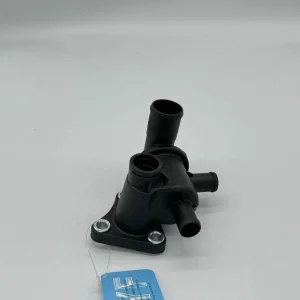
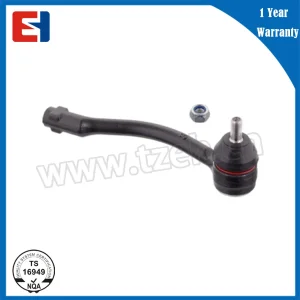
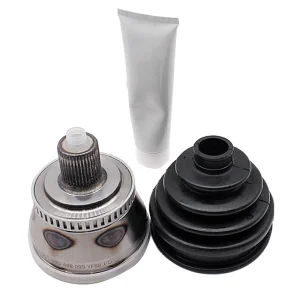
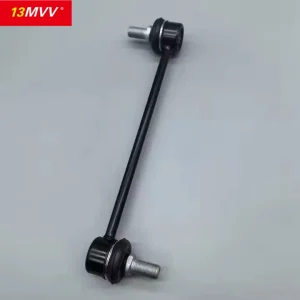
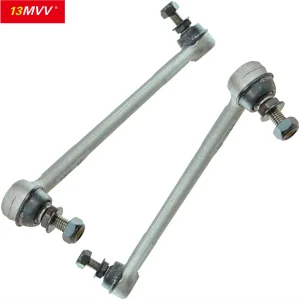
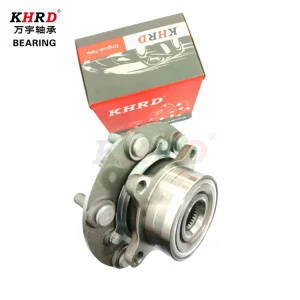
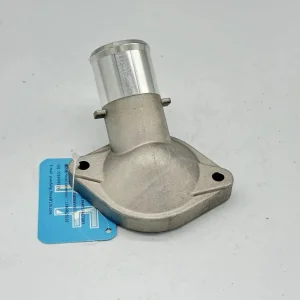
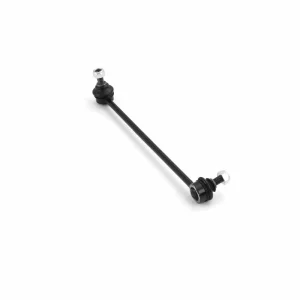
Review our secondary catalog of replacement parts, including CV joints, stabilizer bars, thermostat components, and vehicle-specific steering links.
 Sedo Auto