The braking system remains the single most critical safety mechanism of any vehicle, and at its core lies the automobile brake fluid reservoir. Functioning as a high-integrity vessel, it must sustain sufficient brake fluid levels, withstand environmental stressors, and operate flawlessly under extreme mechanical pressure and temperature shifts. As automotive architectures migrate toward highly integrated platforms, OEMs and Tier-1 procurement leaders require suppliers capable of matching precision molding processes with sophisticated testing capabilities.
For decades, Wenzhou Sedo Auto Co., Ltd. has stood as a pioneer in advanced automotive component manufacturing. Since 2008, we have focused on precision mold design, sophisticated polymer blow molding, and advanced engineering services to produce Class-A safety-critical components. By utilizing state-of-the-art plastics technology and integrated fluid dynamics engineering, we deliver brake fluid reservoirs that conform to stringent global OEM and aftermarket specifications, including IATF 16949 standards.
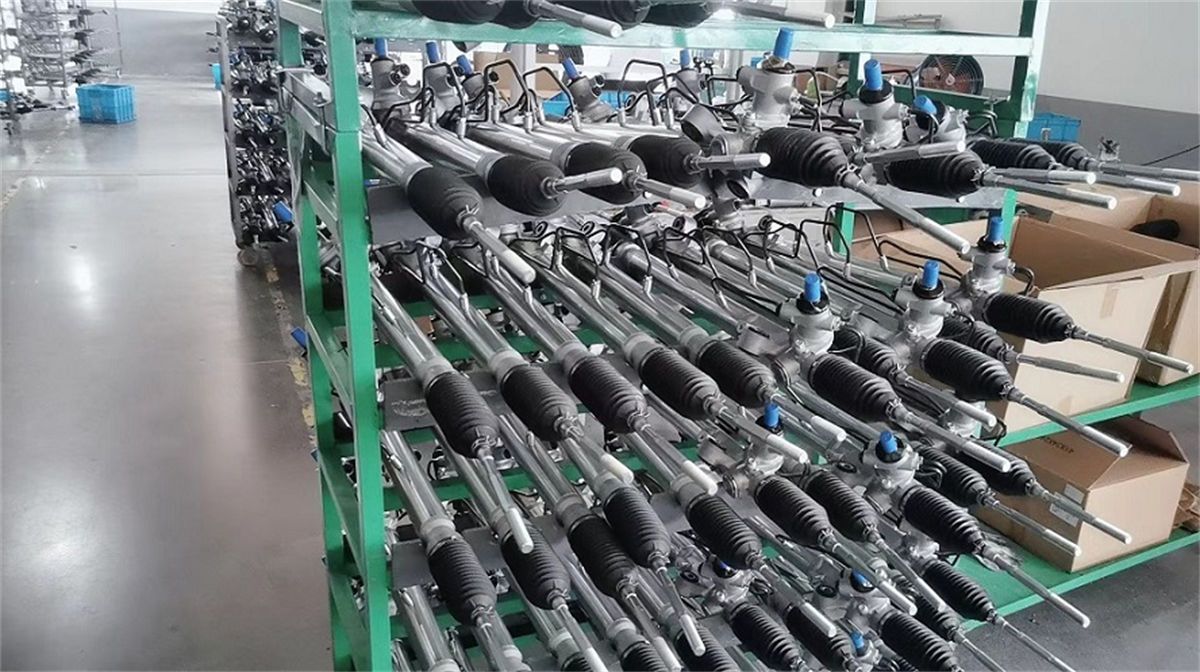
Modern vehicle engineering is witnessing unprecedented shifts, demanding a total reimagining of engine bay layouts, structural packaging, and components. Below are the prominent macro trends influencing the design and distribution of brake fluid reservoirs:
Electric Vehicles (EVs) shift engine-bay space limits completely. Without standard internal combustion engines, the brake booster and reservoir assemblies must occupy compact, asymmetric compartments, requiring customized spatial layouts.
Optimizing vehicle range and battery efficiency calls for lighter materials. Transitioning to high-performance, thin-walled, blow-molded High-Density Polyethylene (HDPE) or glass-fiber reinforced Polyamide (PA) reduces weight without compromising durability.
With Advanced Driver Assistance Systems (ADAS) and brake-by-wire technologies, real-time diagnostic systems require reservoirs to integrate magnetic float sensors, analog level sensors, and ultrasonic level tracking to feed telematics networks.
Brake fluid is highly hygroscopic and chemically aggressive. Exposure to standard glycol-ether based fluids (DOT 3, DOT 4, and DOT 5.1) requires polymers that resist degradation and maintain tensile strength over long lifespans. We source only certified, raw polymer pellets of HDPE, PP, or PA66. These raw materials prevent chemical migration, fluid contamination, and moisture permeation, keeping brake lines safe from dangerous vapor lock conditions.
Global Tier-1 system integrators and OEMs utilize rigorous qualification processes. High-volume automotive sourcing managers require manufacturing partners who can provide structured technical data and production security. Key evaluation benchmarks include:
| Test Category | Standard Requirement | Engineering Purpose |
|---|---|---|
| Thermal Cycle Resistance | -40°C to +150°C continuous cycling | Guarantees structural integrity under severe climatic conditions and engine bay heat radiation. |
| Burst Pressure Capacity | Exceeds 4.5 Bar (typical OEM limit) | Prevents reservoir structural failure under extreme reverse pressure conditions or bleeding tests. |
| UV and Ozone Degradation | ISO 4892 Xenon-arc weathering exposure | Ensures transparency remains intact for visually evaluating fluid levels without opening the cap. |
| Vibration & Fatigue Endurance | Random multi-axis vibration testing (100+ hours) | Simulates road turbulence, preventing stress fractures at mounting points or weld seams. |
| Fluid Level Switch Integrity | Over 500,000 actuation cycles | Assures the magnetic sensor reed switch triggers warnings accurately on instrument clusters. |
Wenzhou Sedo Auto Co., Ltd. coordinates every design cycle with comprehensive FEA (Finite Element Analysis) simulations, structural flow analysis, and mechanical stress evaluations. Our robust prototyping processes minimize design iterations, allowing faster development timelines from prototype phase to SOP (Start of Production).
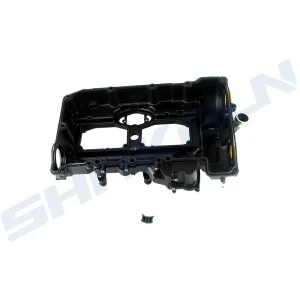
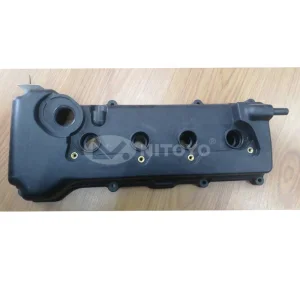
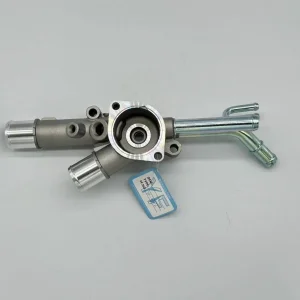
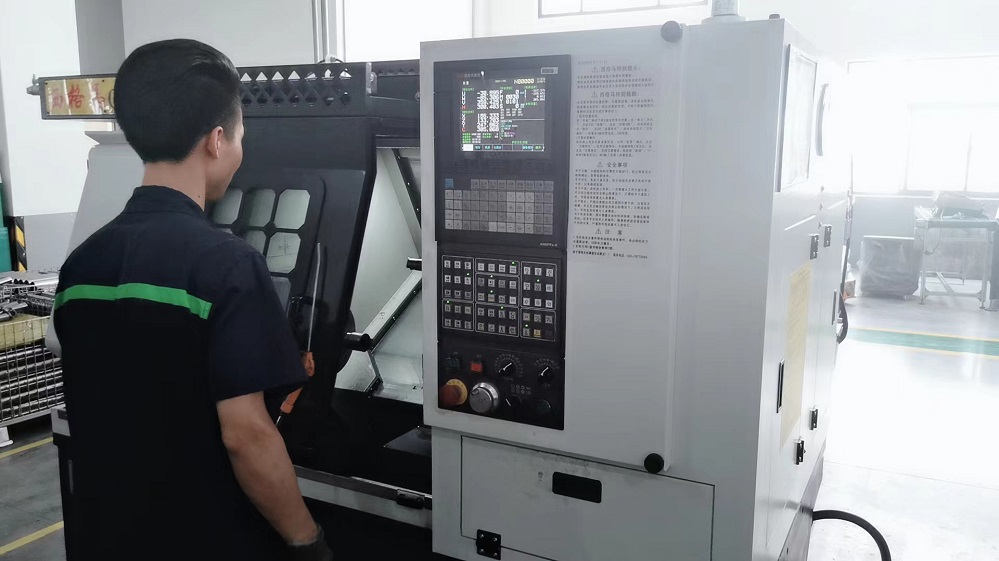
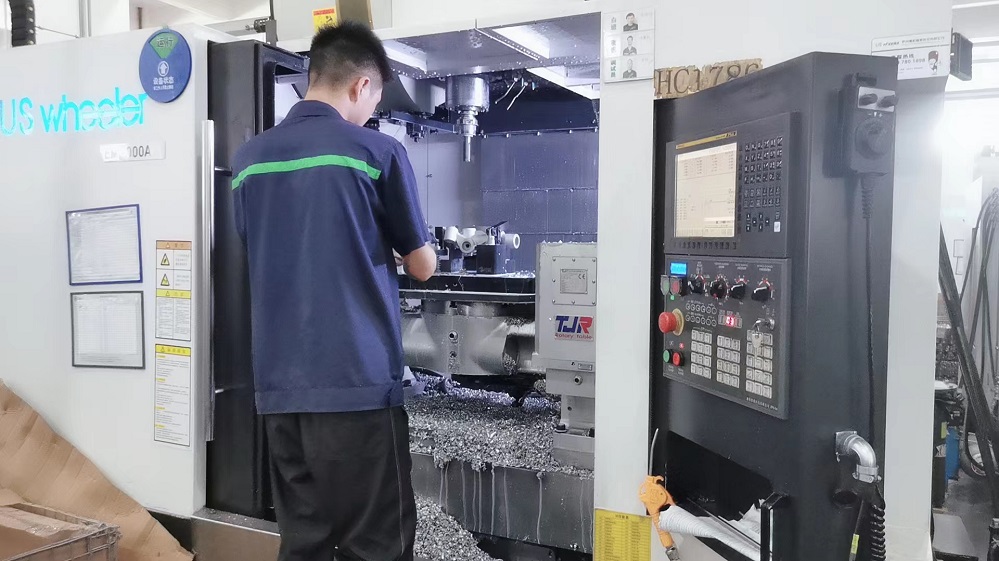
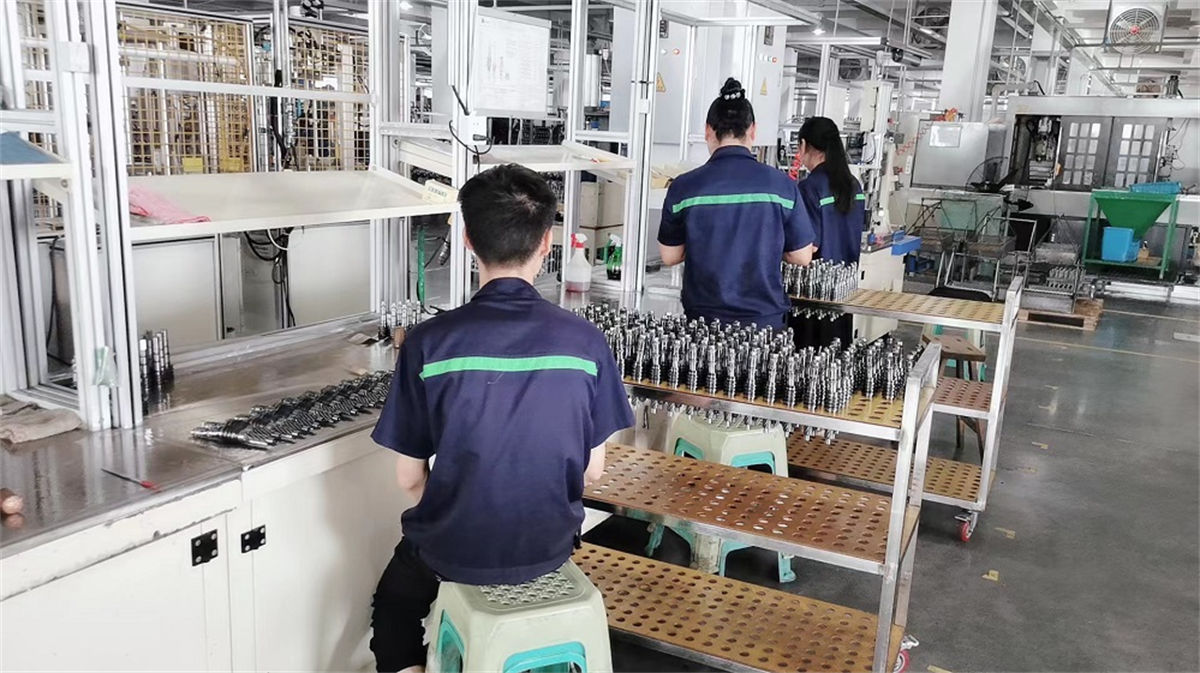
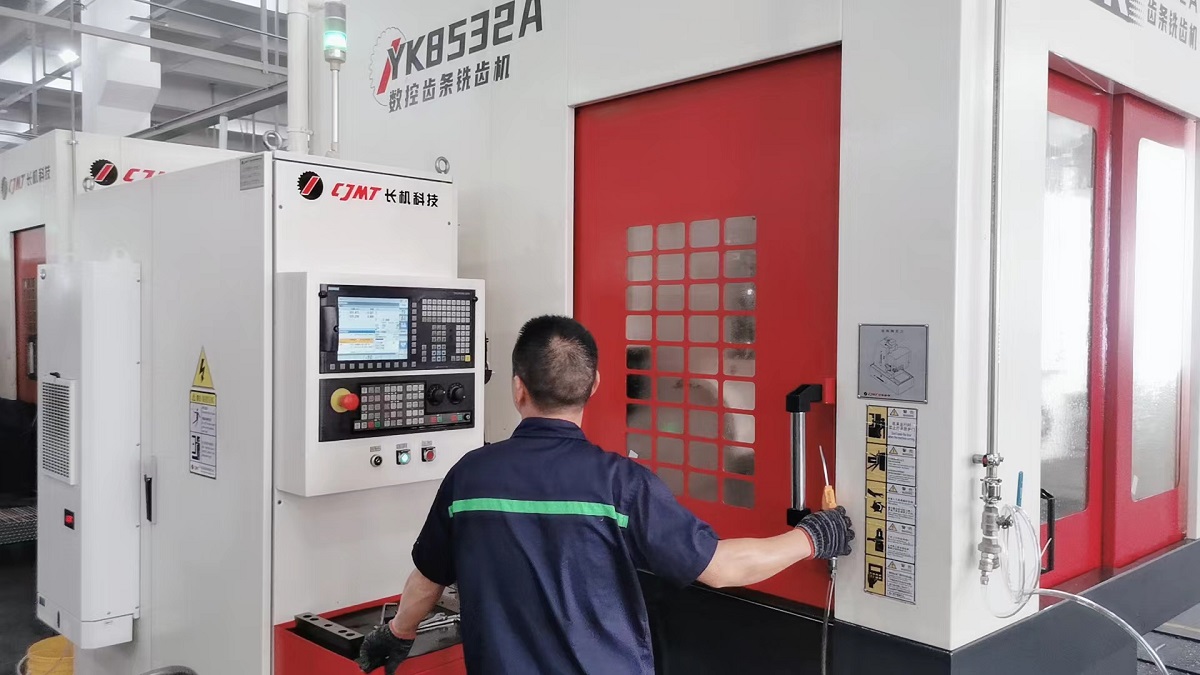
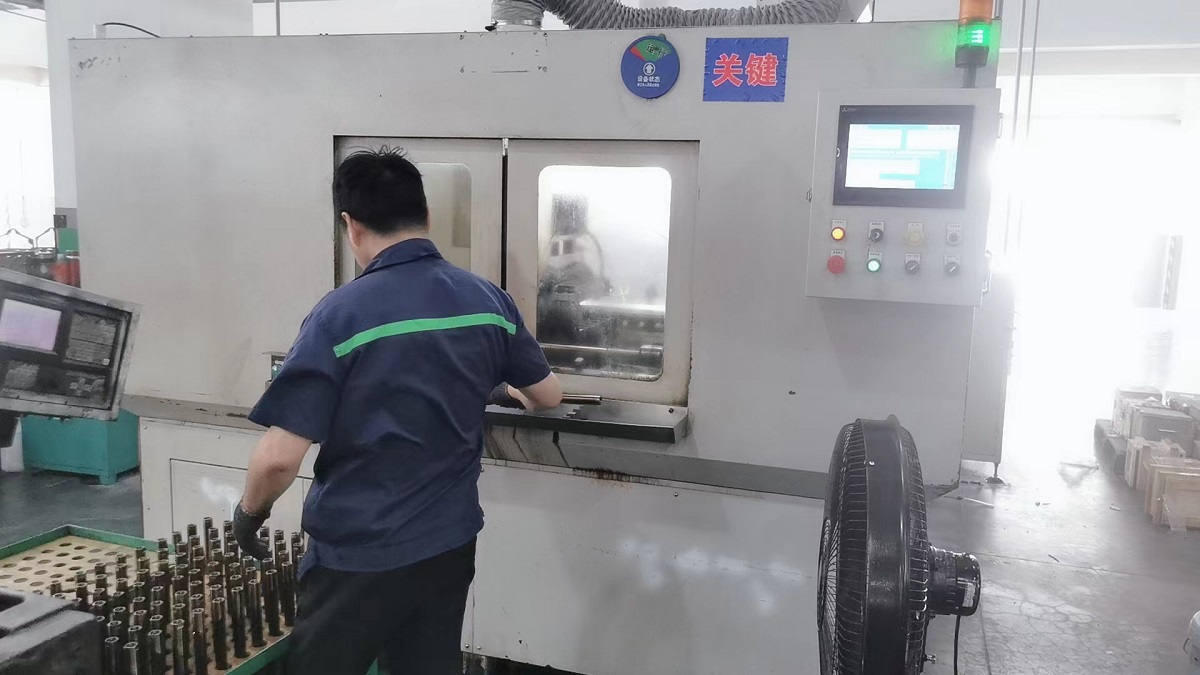
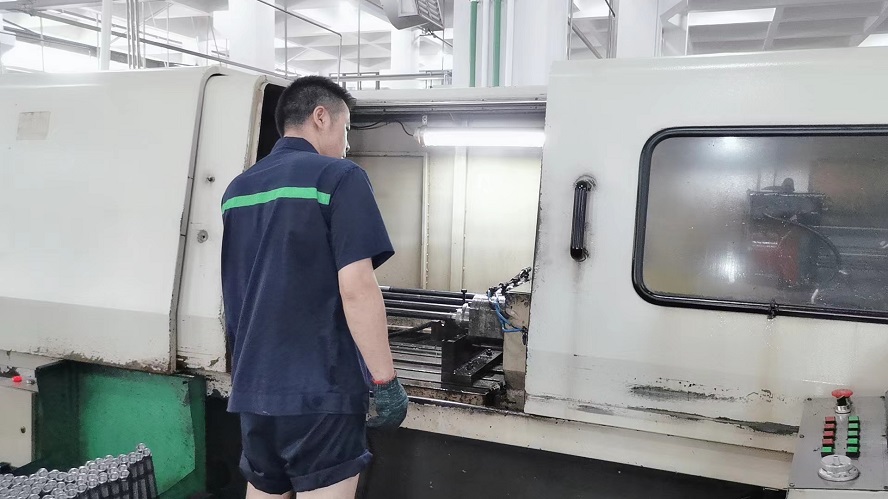
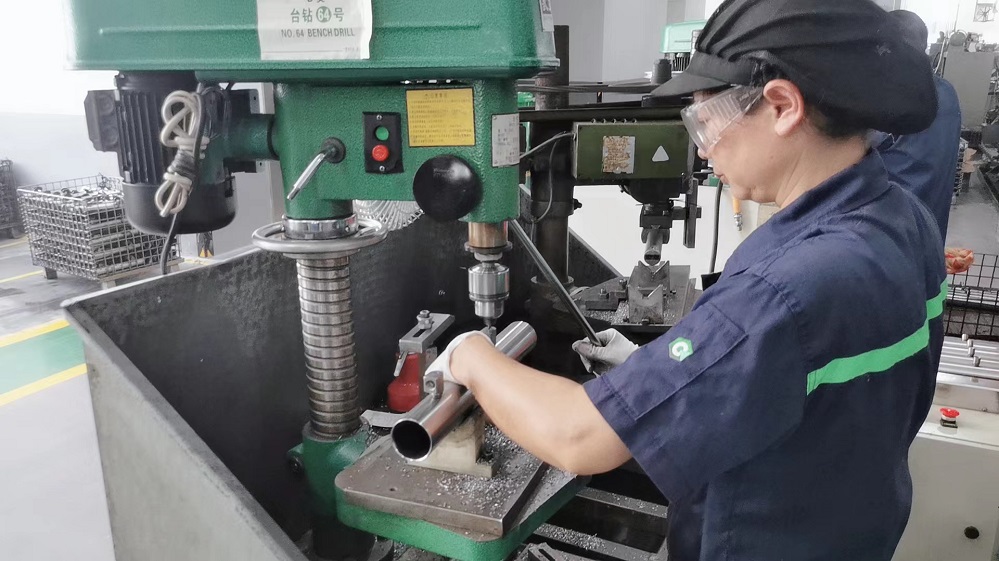
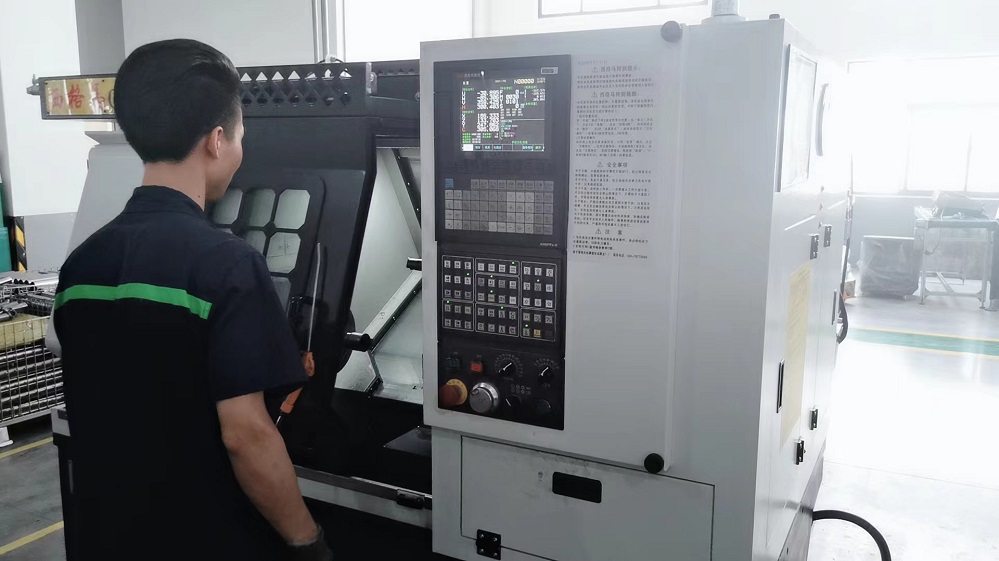
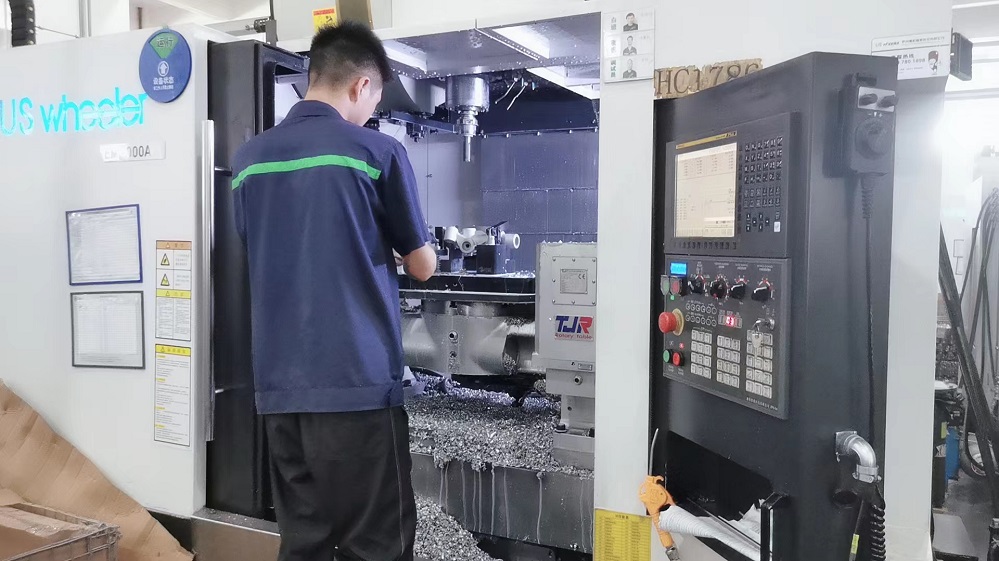
Wenzhou Sedo Auto Co., Ltd. controls a modern industrial production facility. By integrating advanced production equipment and modern management systems, we manage both plastic fabrication and precise metal/composite tooling machining under one roof. Our infrastructure handles complex automotive pump assemblies, structural valve covers, and fluid containment systems, offering high reliability and on-time delivery.
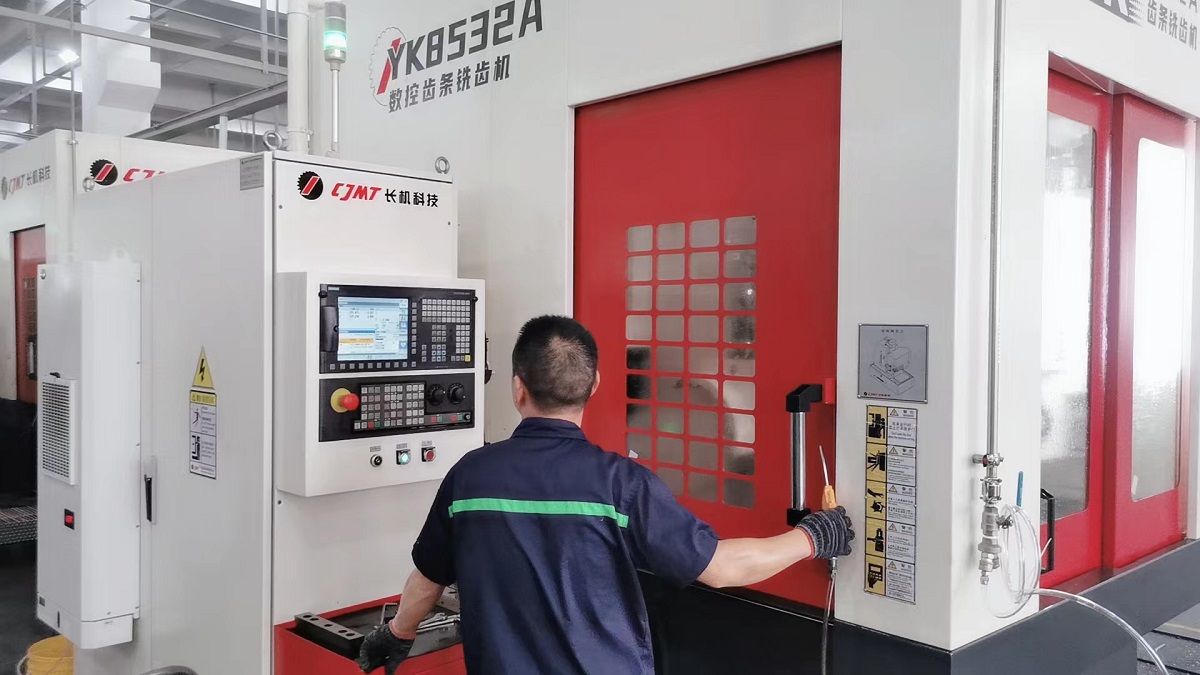
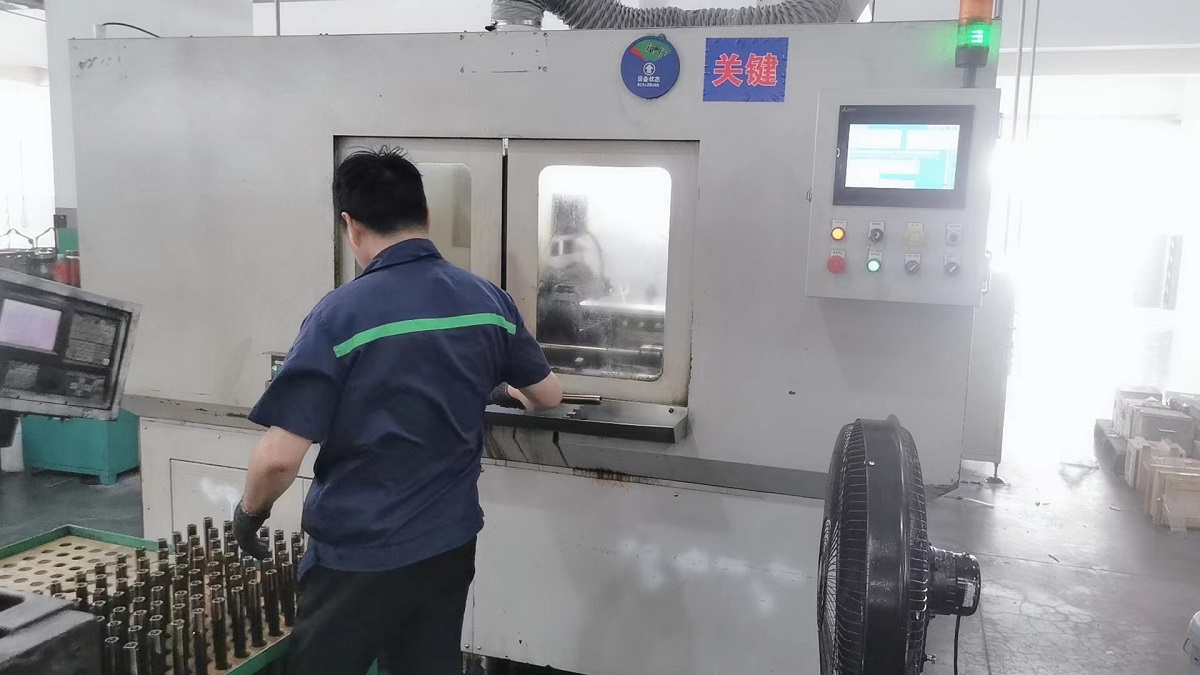
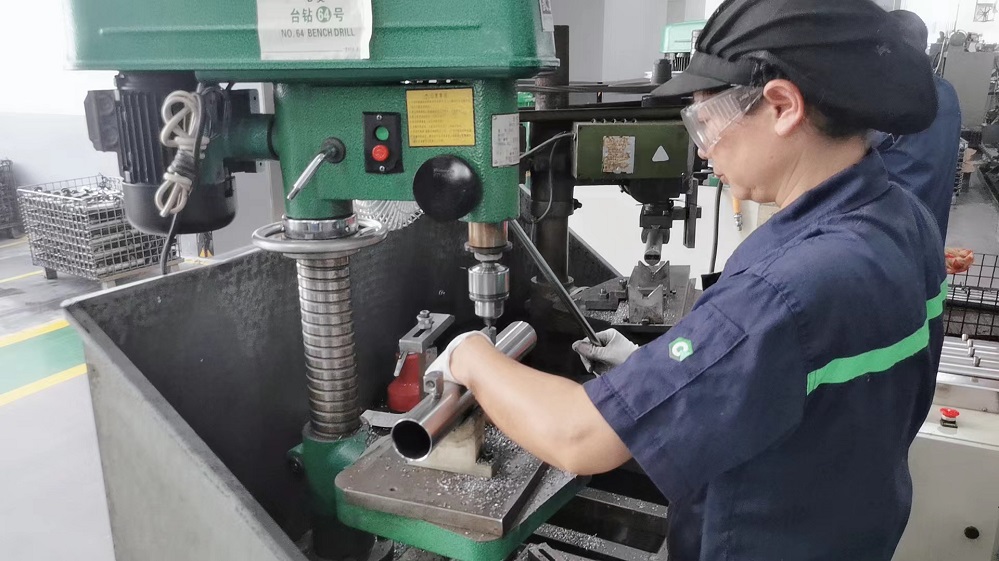
Navigating the global automotive supply chain requires stringent compliance structures and localized support protocols. For global OEMs, a brake fluid reservoir is not merely a plastic tank; it is a regulatory bottleneck. Failure to comply with safety requirements can trigger massive vehicle recalls.
We build all custom reservoirs in strict accordance with the Federal Motor Vehicle Safety Standard (FMVSS) No. 116, SAE J1703/J1704, and international ISO 4925 standards. By maintaining complete chemical records of raw materials within the IMDS (International Material Data System), we verify that our products are fully compliant with REACH and RoHS environmental directives.
When producing multi-chamber reservoirs, joint strength between molded parts is paramount. We utilize advanced hot-plate welding and automated ultrasonic welding systems. This provides strong bonds at the molecular level, ensuring our weld lines withstand pressure shocks that would cause standard adhesive or mechanical seals to fail.
Every brake fluid reservoir that exits our assembly line receives an individual laser-engraved barcode. This barcode traces the exact production batch, raw material lot, operator ID, and the recorded performance characteristics from our helium leak testing and sensor calibration stations. This traceability ensures total accountability throughout the vehicle's lifespan.
The braking system is undergoing significant evolution with the introduction of autonomous driving and Brake-by-Wire systems. Wenzhou Sedo Auto Co., Ltd. is positioned at the forefront of this transition, developing next-generation fluid containment systems designed for tomorrow's vehicles:
We strictly utilize specialized High-Density Polyethylene (HDPE), Polypropylene (PP), and Polyamide (PA66) polymers. These resins are sourced from global suppliers to ensure resistance to aggressive DOT 3, DOT 4, and DOT 5.1 brake fluids, while preventing moisture permeation and environmental stress cracking.
Every reservoir is subjected to pressurized air decay or differential pressure helium testing before final assembly. Furthermore, our state-of-the-art ultrasonic and hot-plate welding lines are computer-monitored, logging melt displacement, temperature, and pressure parameters to guarantee structural weld integrity.
Yes. We provide complete OEM/ODM engineering support. Our engineers can develop tailored reservoir configurations to fit unique packaging spaces, design mounting brackets, integrate specialized fluid level sensors, and supply technical CAD/STEP files for review.
Absolutely. Our facilities operate under the IATF 16949 quality framework, which is the global benchmark for automotive component manufacturing. We implement PPAP (Production Part Approval Process) standards to ensure stable quality across mass production runs.
 Sedo Auto