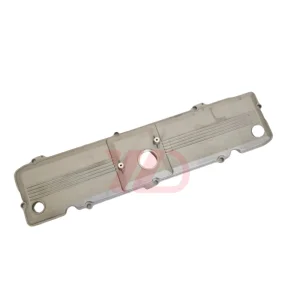
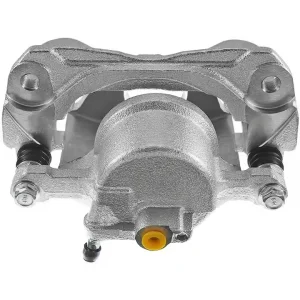
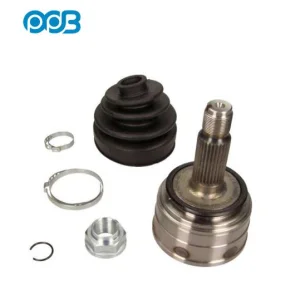
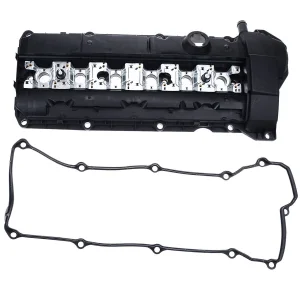
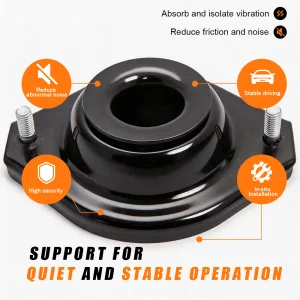
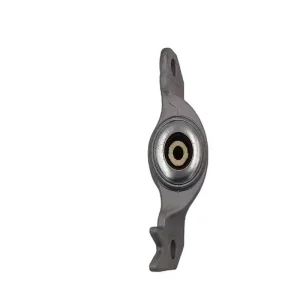
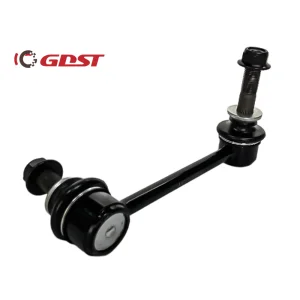
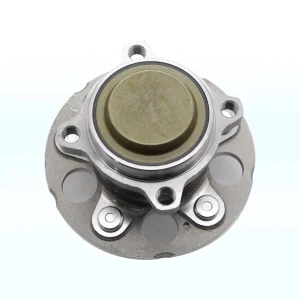
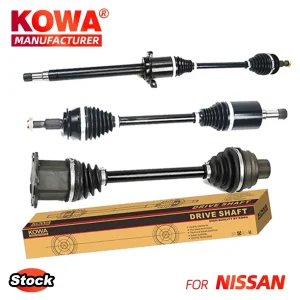
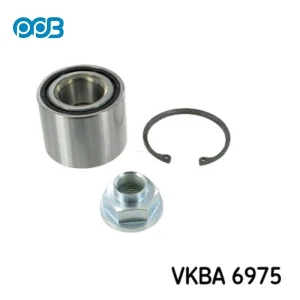
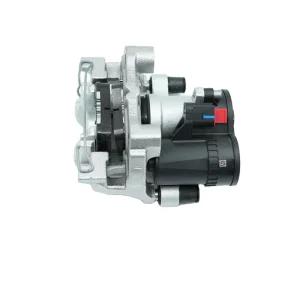
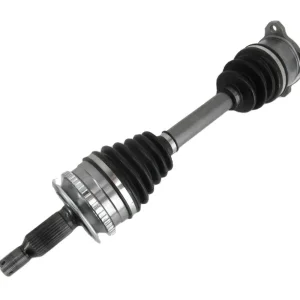
Explore our range of high-performance aftermarket and OEM suspension, steering, and engine parts engineered to exceed automotive industry standards.
Analyzing the paradigm shift in global steering technologies from traditional hydraulic power to software-defined digital steer-by-wire topologies.
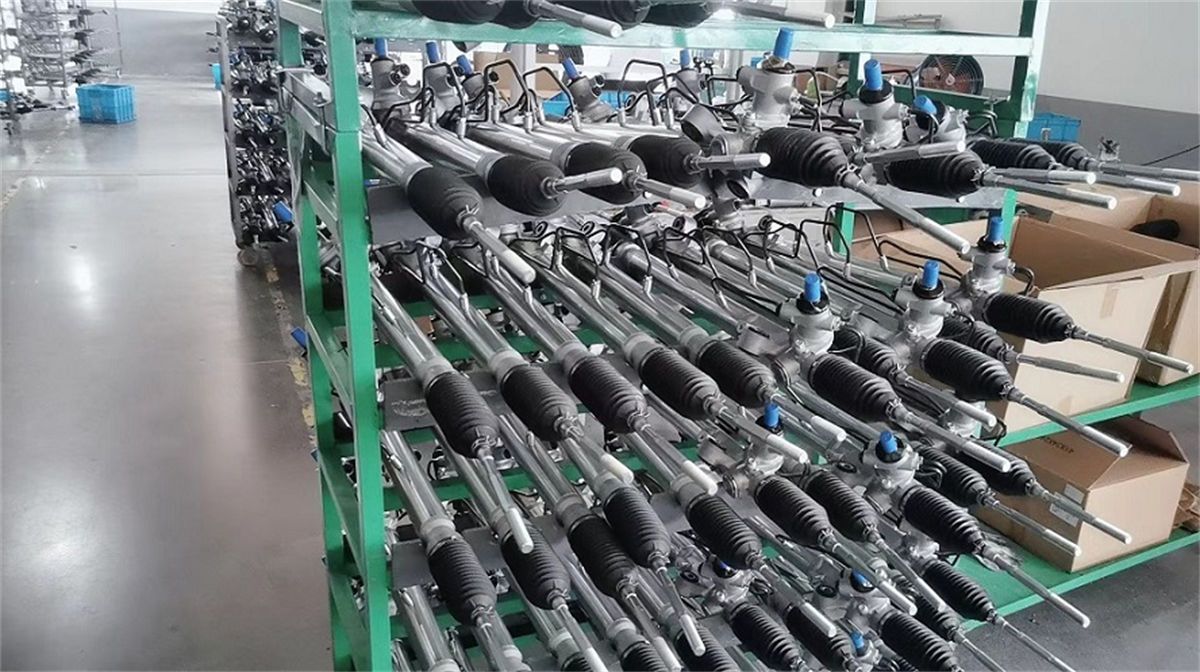
The steering rack is the core mechanical actuator responsible for translating rotational input from the driver's steering wheel into the lateral tracking of the vehicle's front wheels. From an industrial perspective, the global market for Automobile Power Steering Racks is undergoing structural evolution. Driven by safety mandates, driver assistance systems (ADAS), and electrification, Tier-1 manufacturers and OEM brands are migrating from hydraulic and electro-hydraulic solutions to modern, network-integrated Electric Power Steering (EPS) systems.
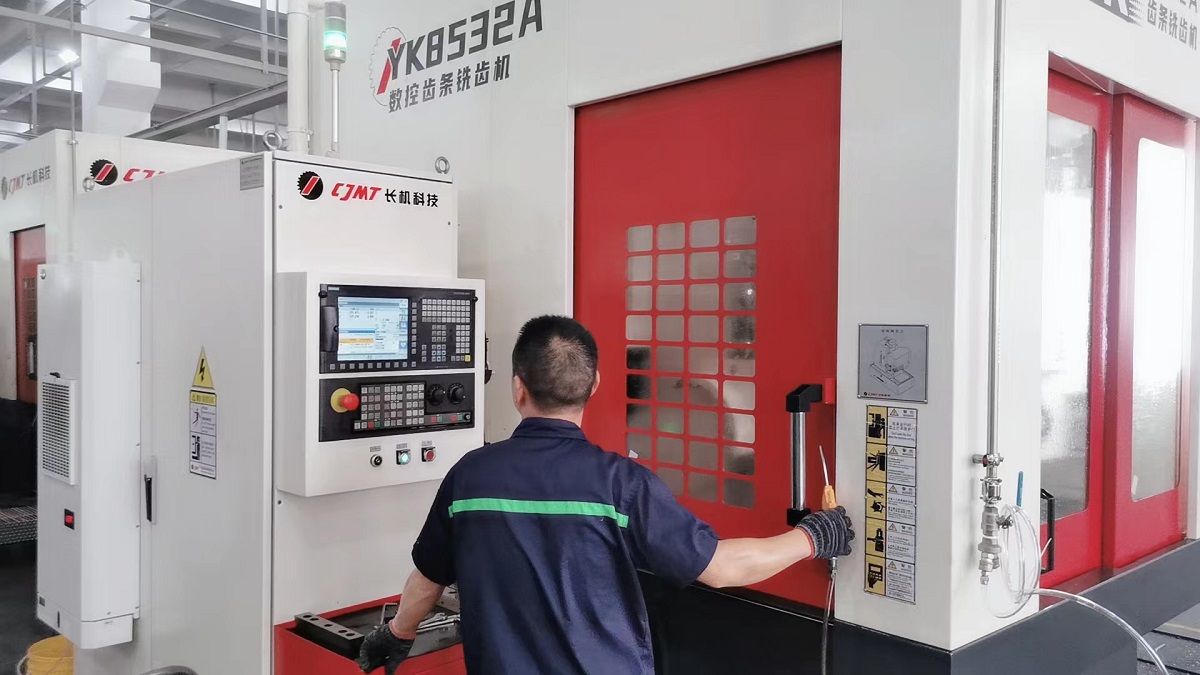
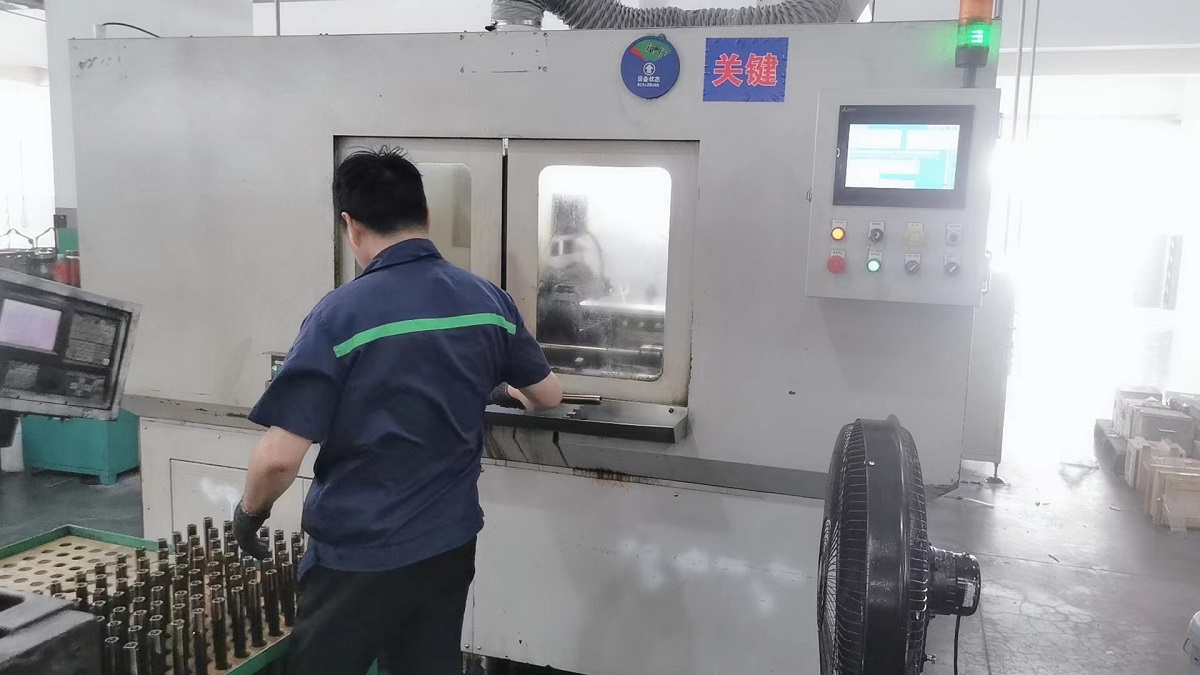
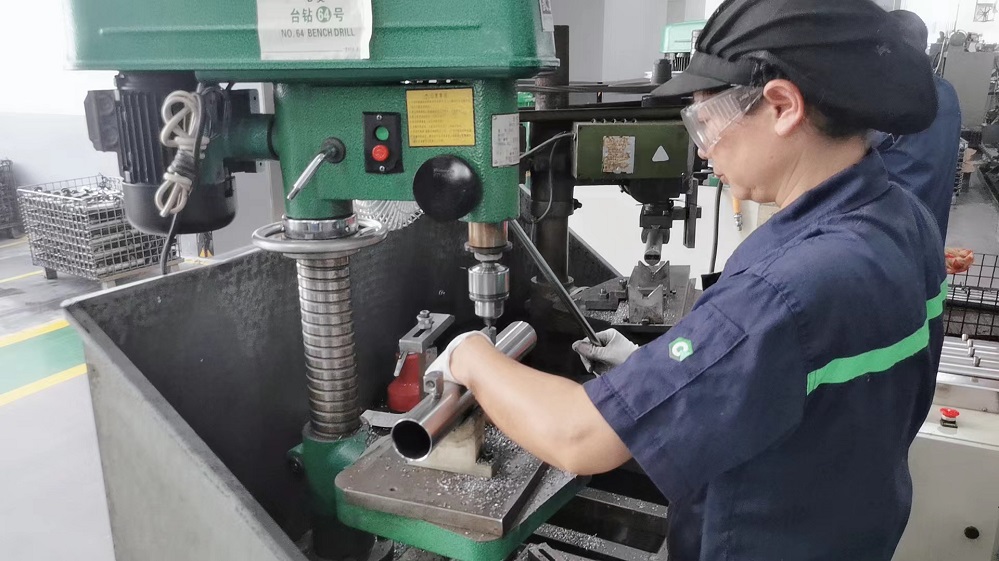
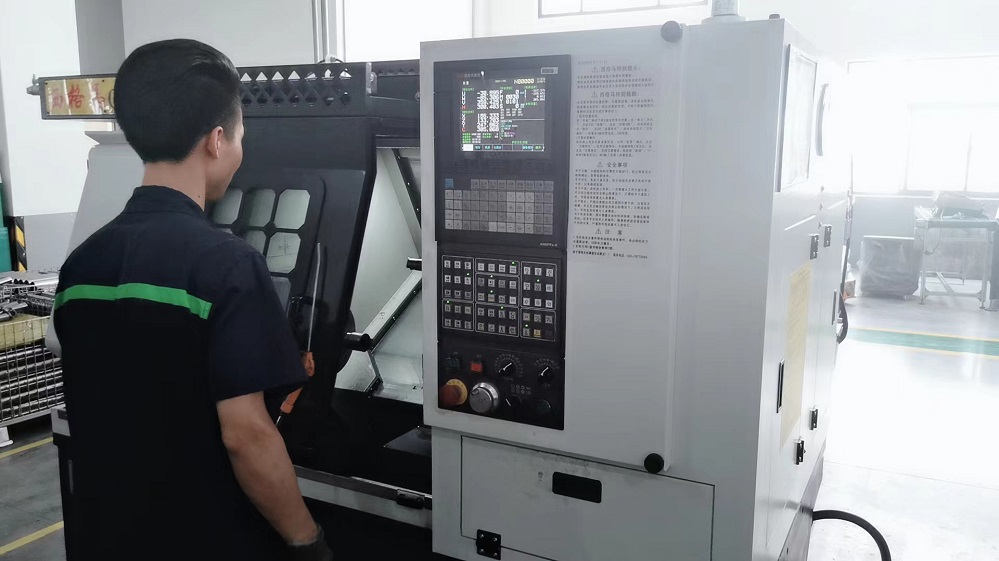
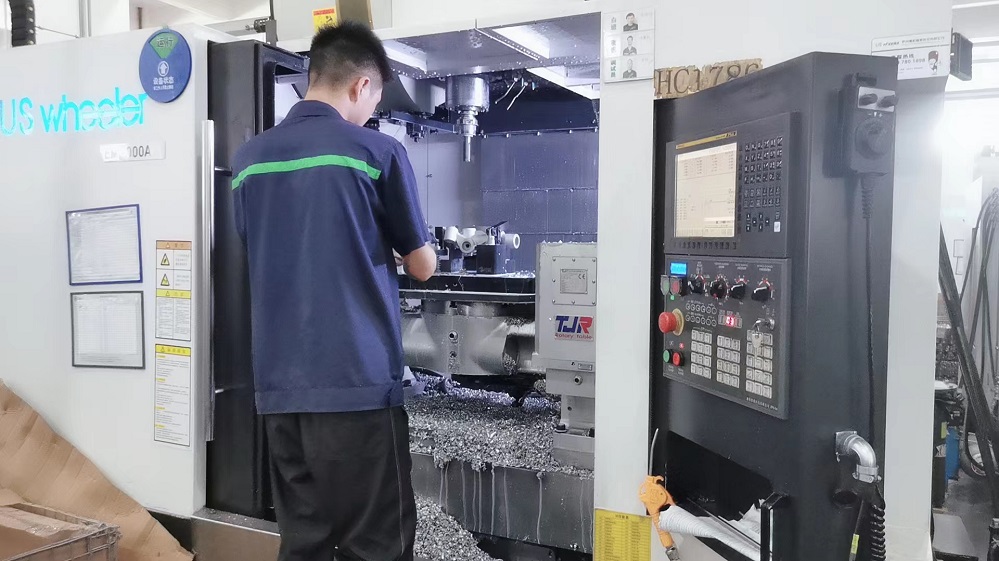
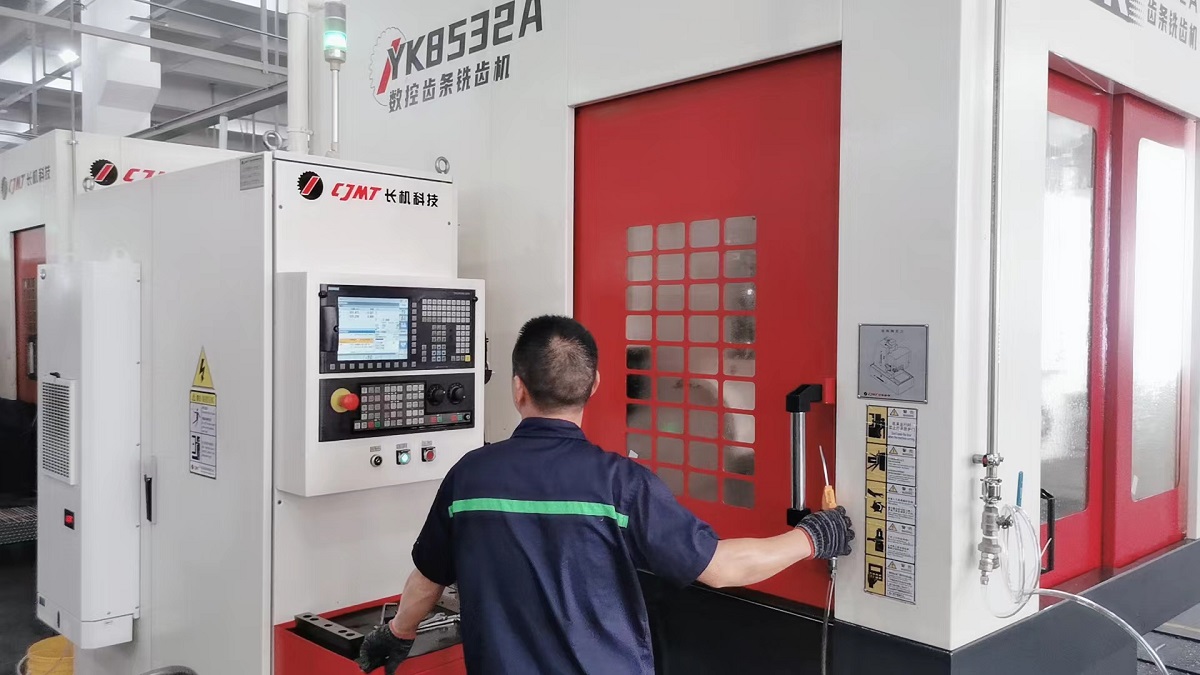
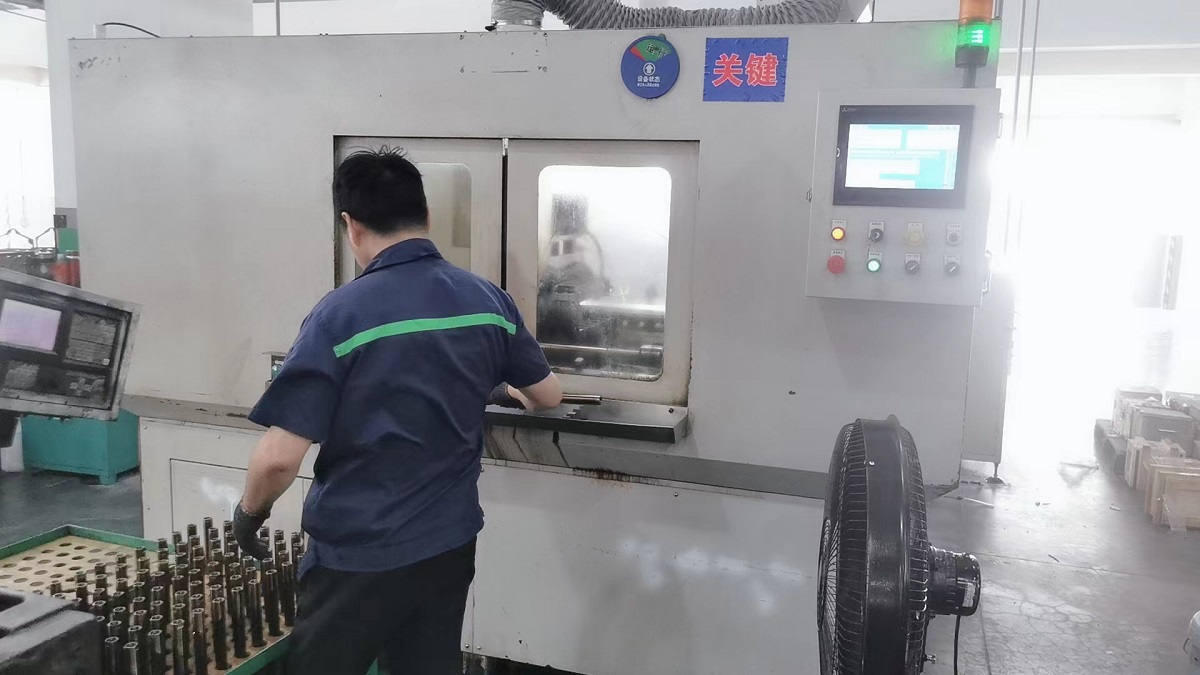
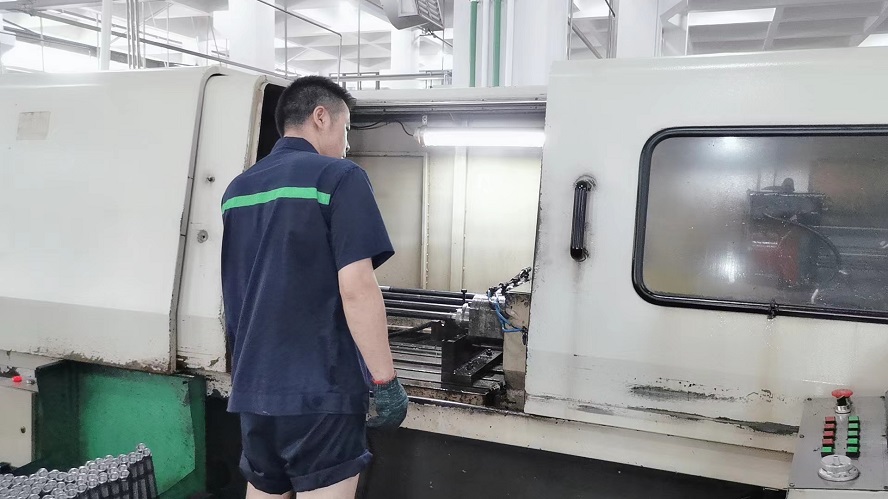
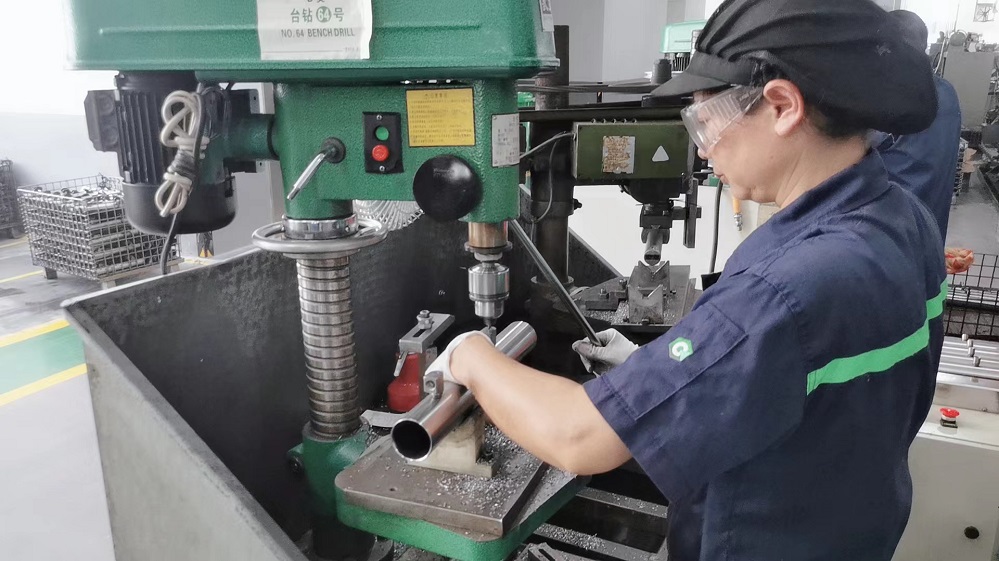
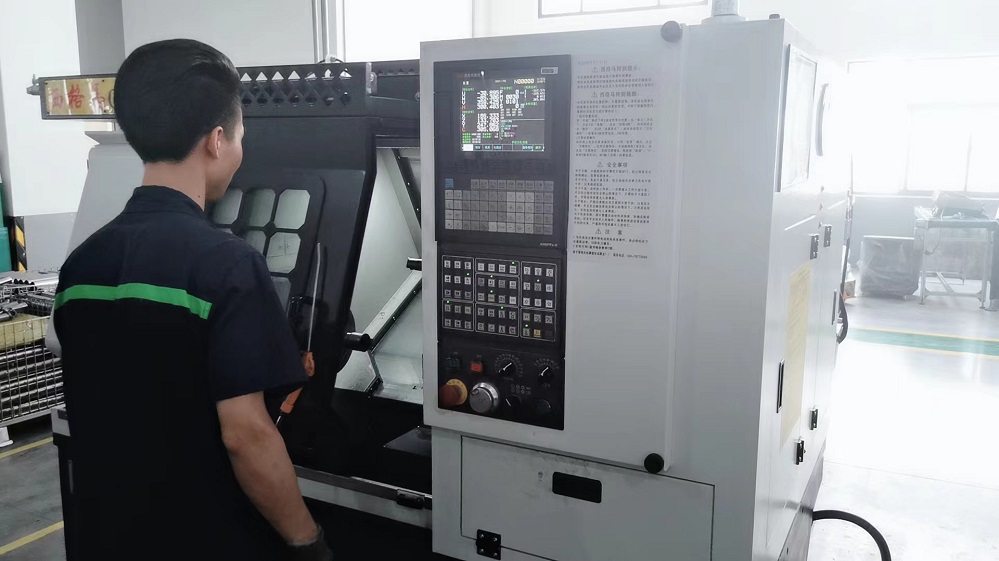
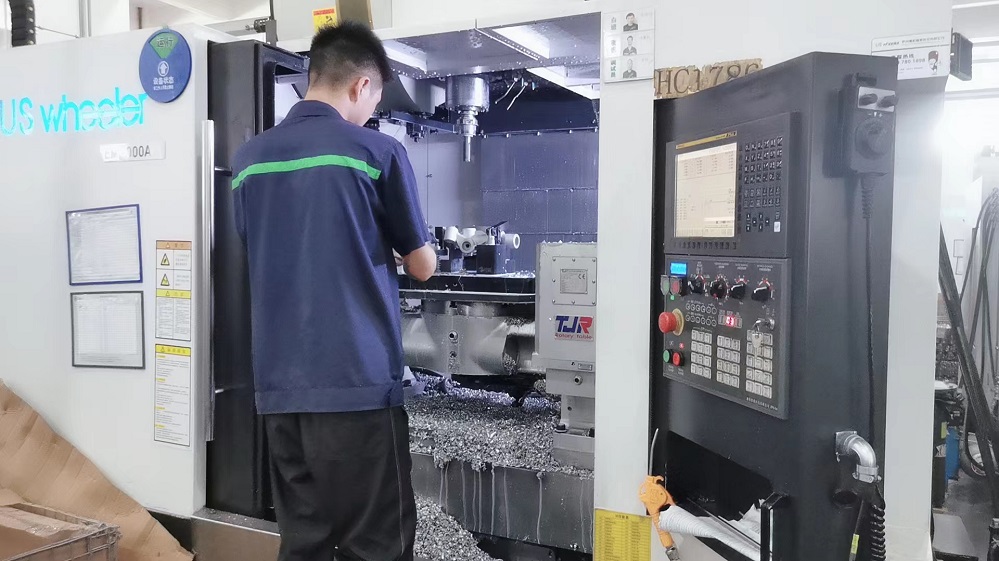
In the commercial and heavy-duty logistics segments, the reliability of steering systems directly influences operating margins, fleet uptime, and vehicle safety. The selection of materials, machining precision, and tolerance specifications are vital parameters. Today's OEM suppliers must comply with strict global standardization guidelines, including IATF 16949:2016 certification, to meet the demands of global automotive giants. Manufacturers in developing industrial hubs are continuously upgrading their processing lines, adopting advanced CNC milling, deep-hole drilling, and robotic assembly processes to support high-volume output with zero defect tolerances.
Understanding the engineering considerations behind modern steering gears, focus on structural durability, low friction seals, and helical pinion profiles.
OEM steering rack bars are forged from high-tensile carbon steel alloys, typically 40Cr or 45# steel. They undergo induction hardening to achieve a surface hardness of HRC 52-58, preventing rapid wear along the rack teeth while maintaining a ductile core to absorb sudden road shocks.
For hydraulic applications, precision multi-lip elastomeric seals are integrated to isolate high-pressure chambers (exceeding 100 bar). Micro-finished shaft surfaces with a roughness parameter of Ra ≤ 0.2μm are standard to minimize friction and prevent oil leakage over extended duty cycles.
Modern passenger vehicles utilize variable ratio rack teeth. By altering the profile angle and pitch configuration near the ends of the rack shaft, manufacturers provide high-speed stability and reduced steering effort during tight urban maneuvering and parking.
| Parameter / Specification | Hydraulic Steering Racks (HPS) | Electric Steering Racks (EPS) | Quality Standards |
|---|---|---|---|
| Main Shaft Material | 40Cr / JIS G4104 (Hardened & Tempered) | 45# Carbon Steel / CF53 (Induction Hardened) | GB/T 3077 / EN 10083 |
| Surface Finish (Ra) | ≤ 0.2 μm (Super-finished) | ≤ 0.3 μm (Polished) | ISO 4287 |
| Total Operating Force | Up to 12 kN | Up to 15+ kN (Rack-assist type) | SAE J136 / ISO 26262 |
| Input Pinion Splines | Helical teeth, carburized (HRC 58-62) | Helical teeth with integrated position sensor disc | DIN 5480 / ANSI B92.1 |
| Hydraulic Fluid Seals | HNBR / FKM Lip Seals | Dust Boot Sealing (Neoprene/EPDM) | ASTM D2000 Compliance |
Deep-dive into quality management, testing procedures, and the functional variance between industrial production lines.
In B2B purchasing, selecting the right supplier involves looking beyond pricing. OEM manufacturing requires strict adherence to validation protocols. In contrast, low-cost aftermarket options may skip performance testing, leading to premature wear and vehicle failures. Let's compare their design validation processes:
Every customized OEM steering gear design must survive dynamic fatigue tests. This includes simulating bumpy road profiles for over 1 million cycles under full load without structural cracks or hydraulic fluid bypass. This ensures long-term reliability under challenging road conditions.
Testing chambers subject steering rack assemblies to extreme temperatures ranging from -40°C to +120°C. Assemblies are also exposed to salt spray for up to 480 hours to ensure they resist corrosion from winter road de-icers and coastal humidity.
High-end OEMs use semi-anechoic chambers to measure noise during rack operations. Sound levels must remain below 45 dB(A), preventing mechanical gear hum or valve hiss from entering the passenger cabin and affecting passenger comfort.
For fleet managers, parts distributors, and automotive assembly lines, choosing certified manufacturing partners ensures long-term reliability. Reliable partners help lower warranty claims, protect your brand, and reduce the total cost of ownership over a vehicle's life cycle.
A trusted global supplier integrating automotive pump research, state-of-the-art tooling, and precision assembly lines.
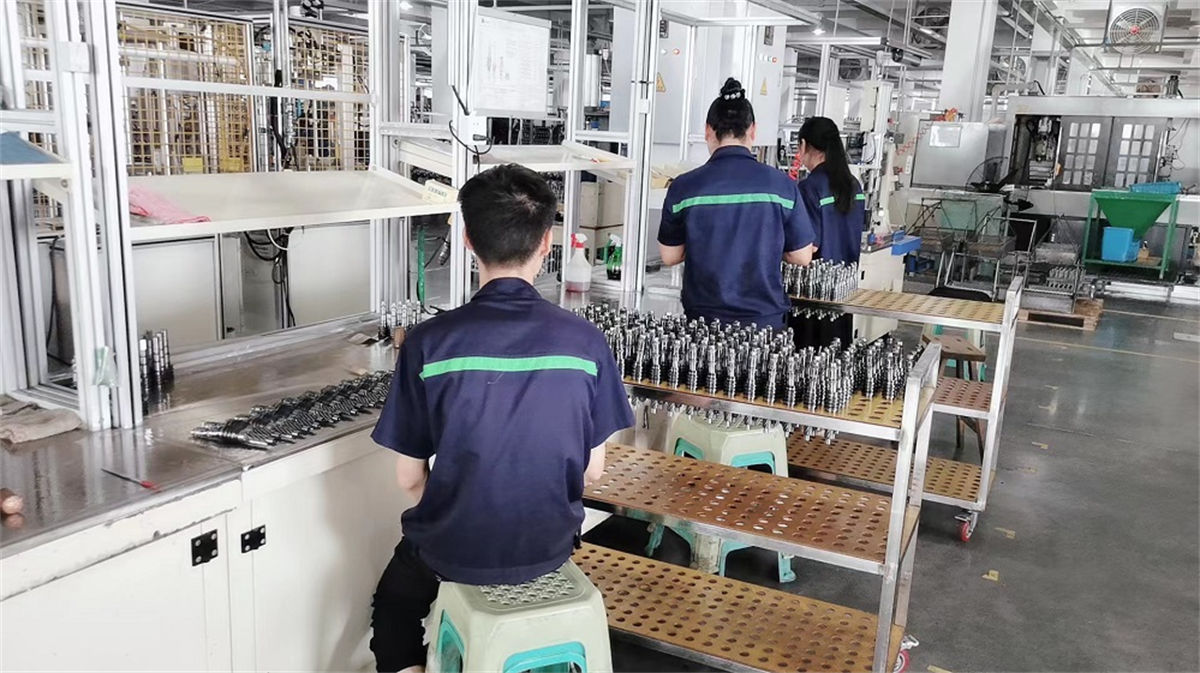
Founded in 2008, Wenzhou Sedo Auto Co., Ltd. has grown into a leading enterprise in the automotive parts industry, supported by a highly skilled production and sales team. The company integrates research & development, manufacturing, and sales, specializing in the production of high-quality automotive pumps and a wide range of automotive accessories. By continuously introducing advanced production equipment and modern management systems, we ensure that our products are innovative, durable, and meet the highest industry standards.
Our extensive product portfolio covers multiple categories, enabling us to serve distributors and customers both domestically and internationally. Over the years, our commitment to quality, reliability, and timely delivery has earned the trust and appreciation of clients worldwide. At Wenzhou Sedo Auto Co., Ltd., we invest heavily in research and development, striving to lead industry trends and introduce cutting-edge automotive technologies. Our R&D team works closely with clients to provide customized solutions that meet diverse market demands.
Guided by the business philosophy of "Credit First, Customer First, Quality Satisfaction, On-Time Delivery", we focus on understanding customer needs, promoting environmentally friendly production, continuously improving product quality, and optimizing production processes. We have established a comprehensive management system to provide our clients with professional, all-round services and long-term support. In addition to business excellence, we are committed to corporate social responsibility, actively participating in community development and promoting sustainable manufacturing practices.
Looking ahead, Wenzhou Sedo Auto Co., Ltd. aims to strengthen global partnerships, drive innovation in the automotive industry, and create long-term value for customers and society alike, achieving a future of mutual growth and shared success.
Exploring the engineering milestones shaping next-generation automotive steering system architectures.
The steering rack is transforming from a purely mechanical component into an intelligent chassis actuator. This evolution follows a clear pathway:
Understanding these industry trends is essential for automotive buyers. By partnering with forward-looking manufacturers, companies can source components that meet the requirements of today's vehicle platforms and adapt to future design needs.
Ensuring structural integrity, clean component delivery, and smooth supply chain management across international borders.
Steering racks are highly sensitive to moisture and corrosion. We wrap all bare steel sections and rack teeth in Volatile Corrosion Inhibitor (VCI) films. This treatment prevents oxidation during maritime transit, even through high-humidity tropical shipping lanes.
For hydraulic steering gears, we cap all ports with pressure-sealed polymer plugs. This step blocks dust, moisture, and debris from entering the internal chambers, preventing damage to the seals and valves during shipping and storage.
Custom steering racks are packed in form-fitted, shock-absorbing cradles within heavy-duty wooden crates or reinforced corrugated cartons. This packaging prevents bending, misalignment, or thread damage during transit, ensuring components arrive ready for installation.
Answers to common questions about engineering tolerances, material choices, and customization options for steering components.
Explore our selection of replacement drivetrain and chassis components, manufactured to meet OEM specifications for global vehicle brands.
 Sedo Auto