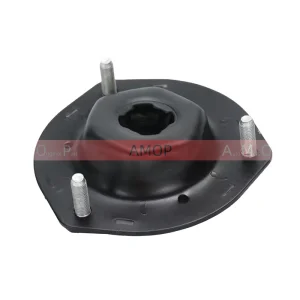
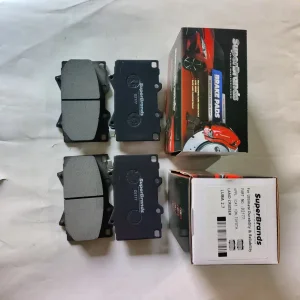
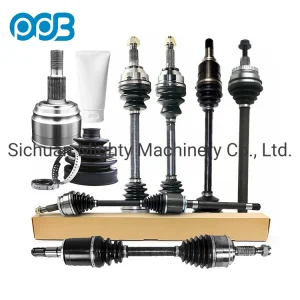
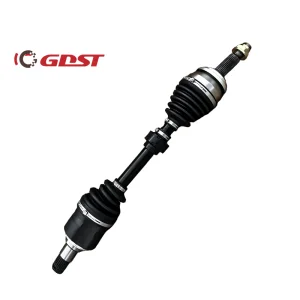
Explore our high-performance fuel delivery and engine management components, engineered for durability and OE-spec precision.
In the evolving landscape of automotive engineering, the Engine Fuel Rail stands as a critical component in the Direct Injection (DI) and Multi-Point Fuel Injection (MPFI) systems. As a leading China Top Engine Fuel Rail Supplier, Wenzhou Sedo Auto Co., Ltd. recognizes that the fuel rail is more than just a manifold; it is a high-pressure reservoir that ensures uniform fuel distribution to every injector. This uniformity is paramount for optimizing combustion efficiency, reducing harmful emissions, and enhancing engine power output.
Modern internal combustion engines (ICE) face stringent global regulations such as Euro 7 and China Stage VI. These standards demand unprecedented precision in fuel metering. Consequently, the industry has shifted from traditional low-pressure systems to high-pressure common rail architectures capable of withstanding pressures exceeding 350 bar for gasoline and up to 2,500 bar for diesel applications. Our role as exporters involves bridging the gap between advanced Chinese manufacturing capabilities and the high-performance requirements of global automotive Tier-1 suppliers.
Years of R&D Excellence
High Pressure Tolerance
Leak Testing Protocol
Countries Exported To
The global fuel rail market is currently dominated by the transition to Gasoline Direct Injection (GDI). This technology requires fuel rails to be manufactured from high-strength materials like forged stainless steel or specialized aluminum alloys to prevent hydrogen embrittlement and fatigue failure under cyclical high-pressure loading. At Wenzhou Sedo Auto, our technical roadmap focuses on "Lightweighting" without compromising structural integrity, utilizing advanced CNC Machining and Deep Hole Drilling to create seamless internal channels.
Noise, Vibration, and Harshness (NVH) have become significant factors in consumer satisfaction. Fuel rails can act as resonators for injector ticking noises. Our recent innovations include integrated damping systems and optimized mounting geometries that decouple fuel pressure pulsations from the engine block, ensuring a quieter cabin experience for end-users.
Founded in 2008, Wenzhou Sedo Auto Co., Ltd. has integrated research & development, manufacturing, and sales to become a benchmark in the automotive parts industry. Our philosophy—"Credit First, Customer First, Quality Satisfaction, On-Time Delivery"—is backed by a robust manufacturing suite.
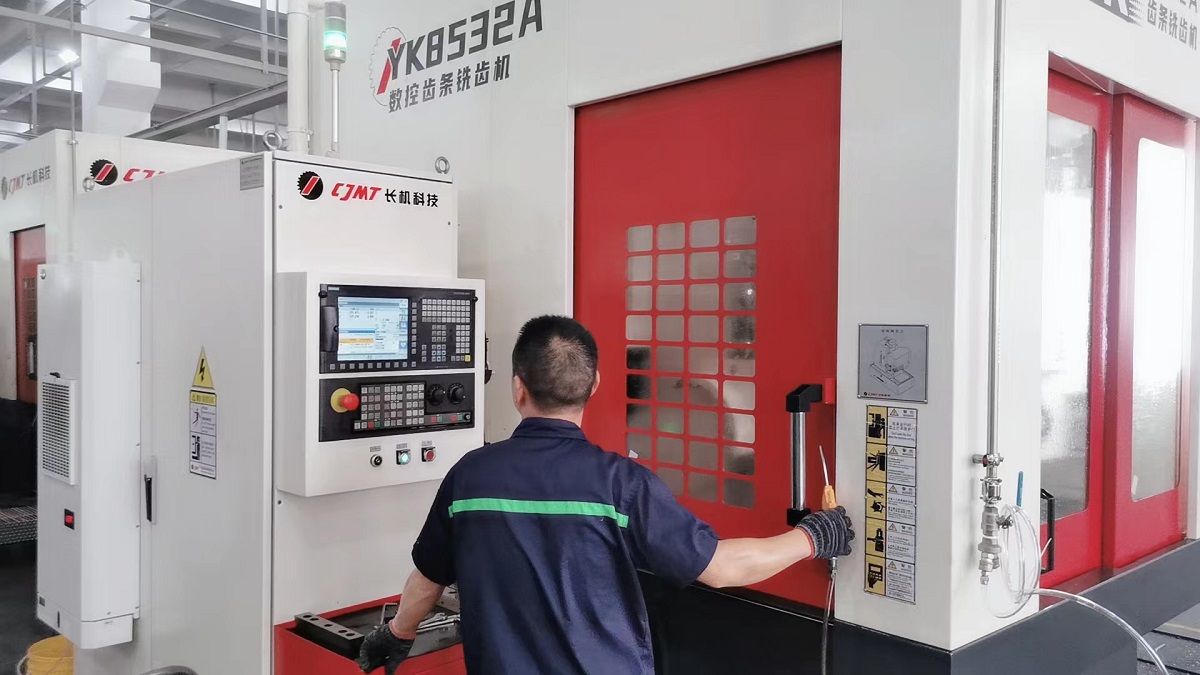
High-precision surfacing for perfect mating with engine blocks.
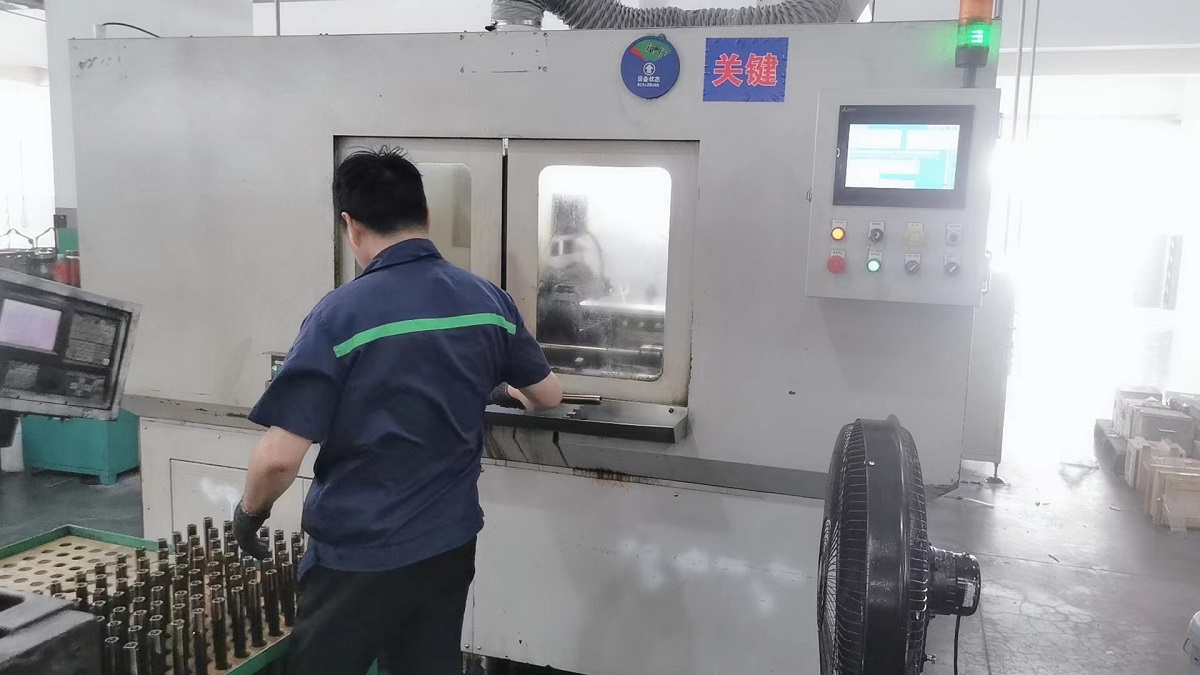
Achieving micron-level tolerances for seal integrity.
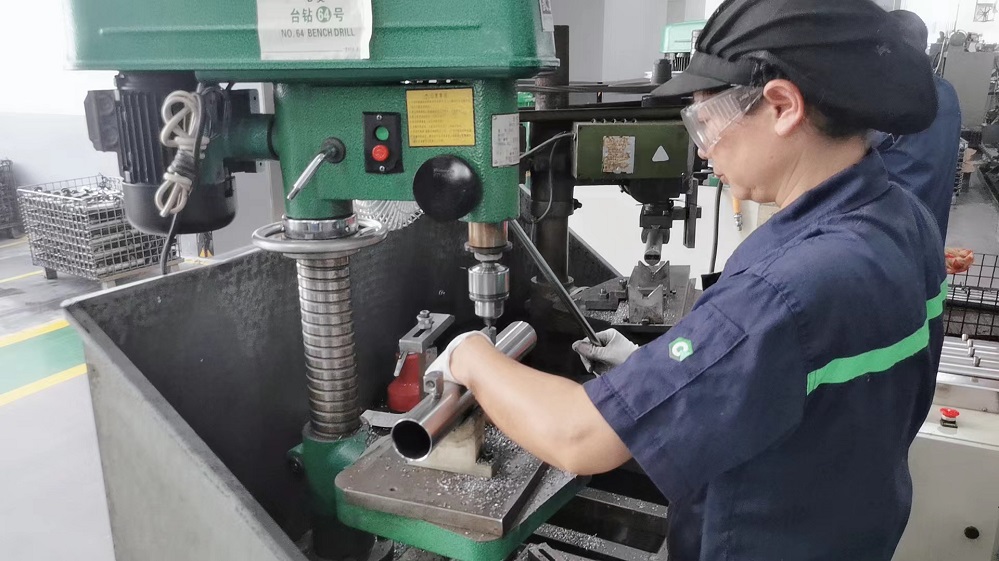
Specialized port drilling for multi-injector configurations.
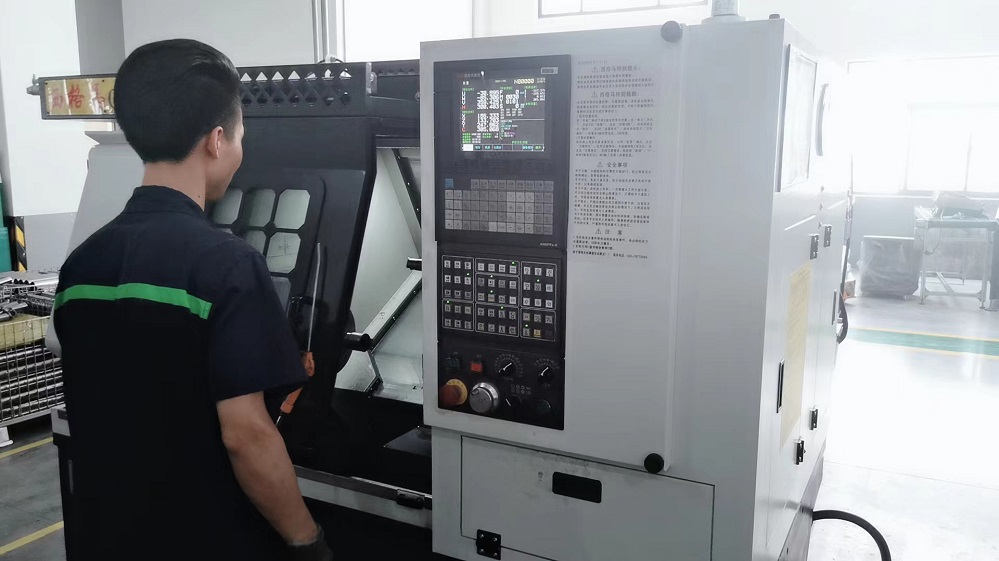
Precision turning for high-strength connector fittings.
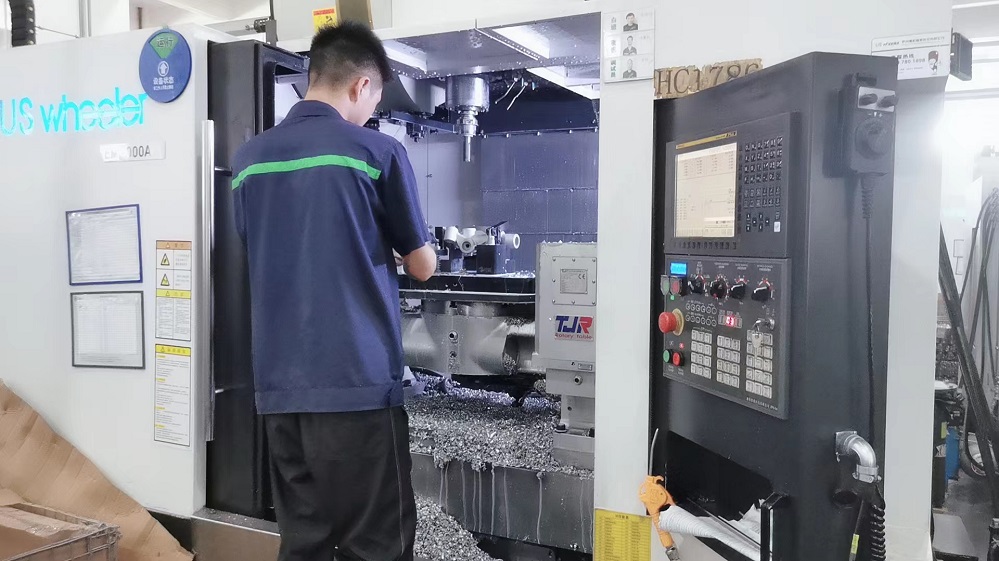
Fully automated pathways for complex fuel rail geometries.
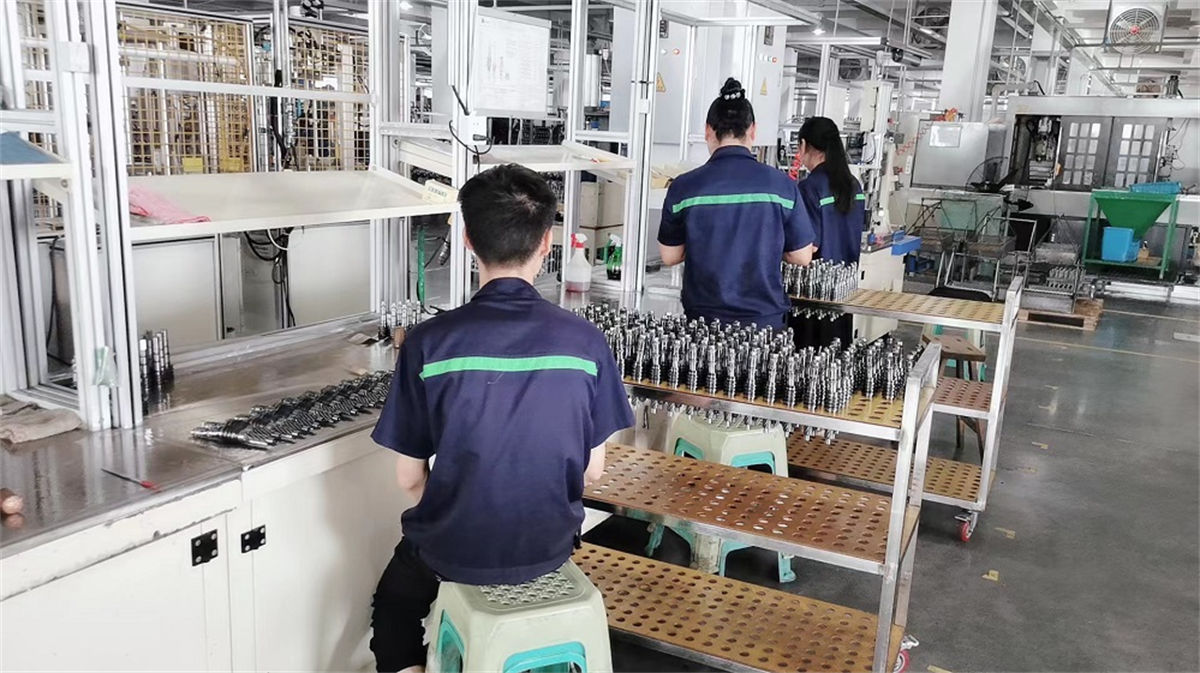
Clean-room assembly environments to prevent particulate contamination.
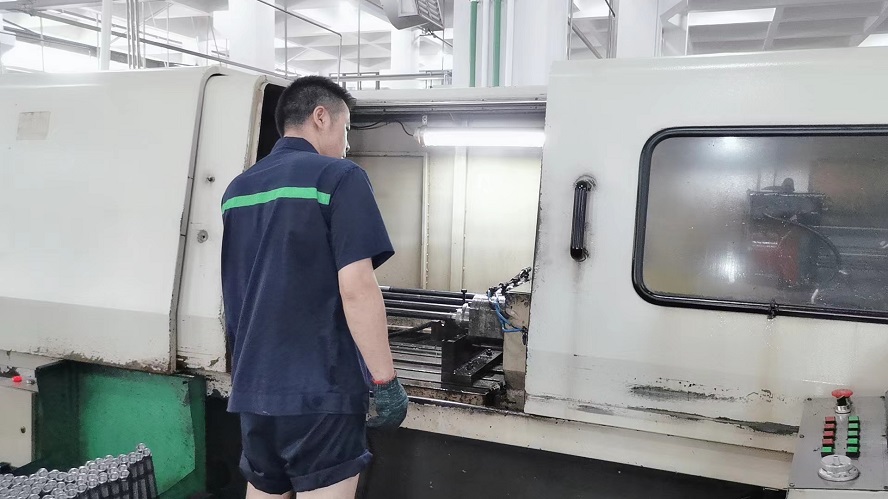
The core technology for creating the main fuel gallery in forged rails.
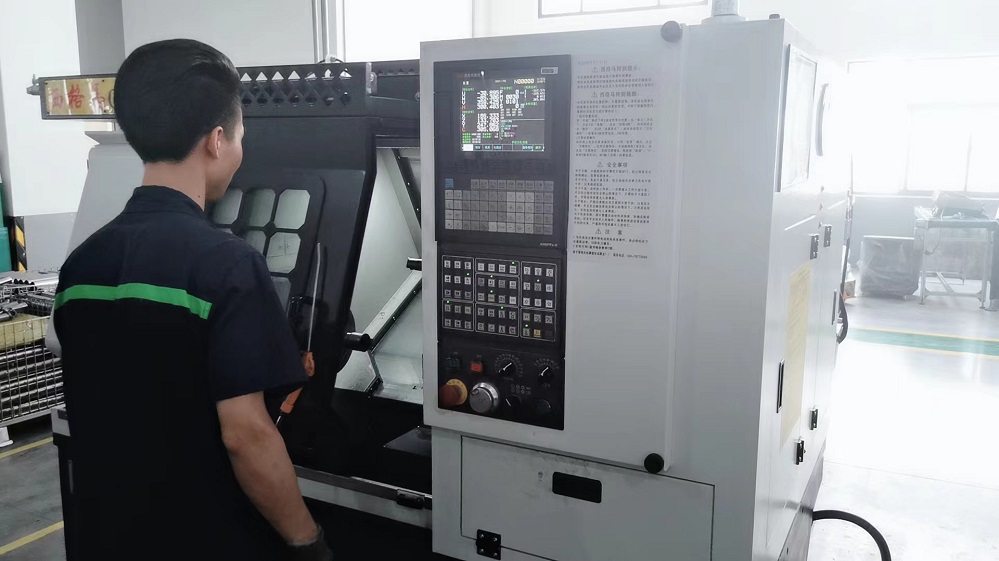
Ensuring consistency across high-volume production runs.
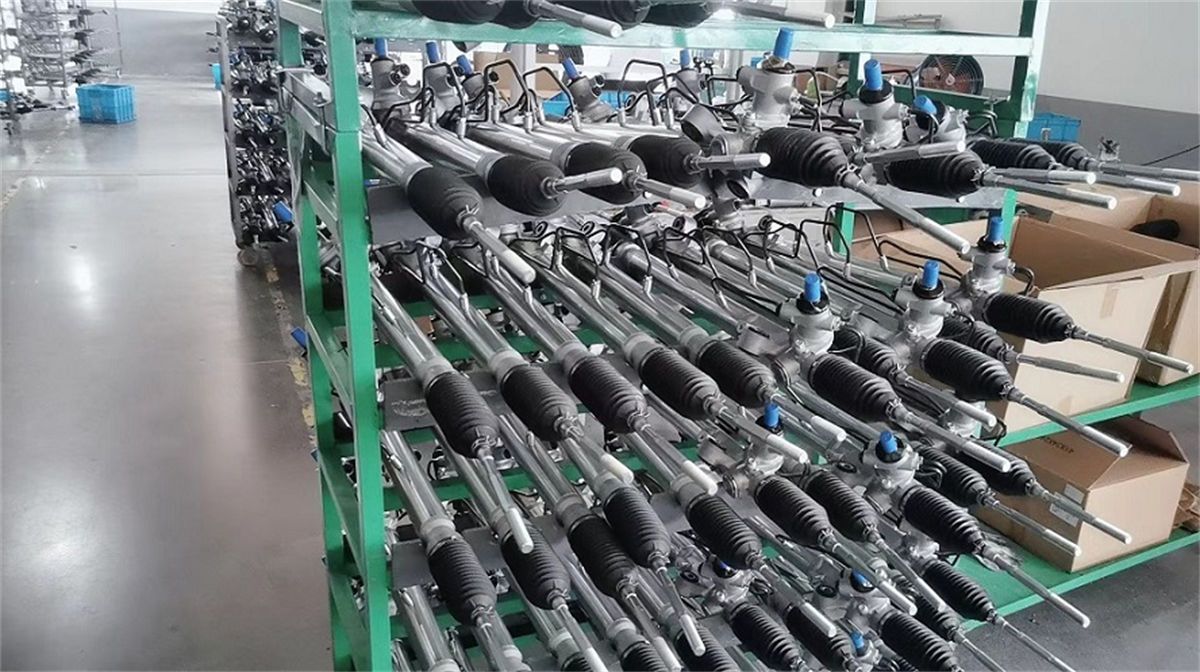
Final inspection and quality assurance for global export.
As the world pivots toward decarbonization, the fuel rail industry is not stagnant. Hydrogen Internal Combustion Engines (H2-ICE) represent the next frontier. Hydrogen's low density and high diffusivity require fuel rails with even higher sealing capabilities and specialized coatings to prevent metal embrittlement. Wenzhou Sedo is already investing in R&D for H2-compatible fuel rails, positioning ourselves as a future-ready partner for the next generation of zero-emission mobility.
We don't just supply parts; we provide integrated fluid management solutions. This includes:
A: Stainless steel (SUS304 or SUS430) is preferred for its corrosion resistance and strength. For high-performance applications, forged steel is used to handle pressures exceeding 350 bar without volumetric expansion.
A: Every unit undergoes a multi-stage validation process, including helium leak testing, high-pressure pulse testing, and 3D CMM dimensional inspection to ensure perfect fitment and safety.
A: Yes. Our R&D team specializes in co-developing fuel rails based on specific engine geometry and injector spray patterns. We provide full technical support from design to mass production.
A: Depending on the customization level, standard components are available within 4-6 weeks, while bespoke designs typically require 8-12 weeks including mold development and testing.
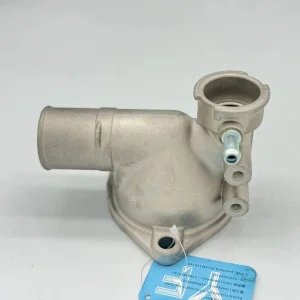
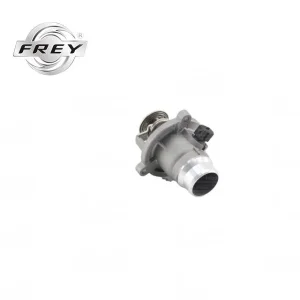
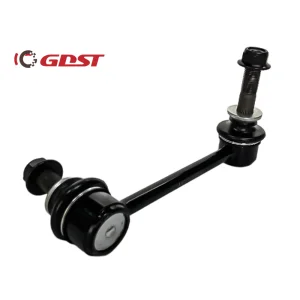
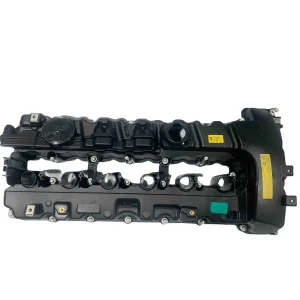
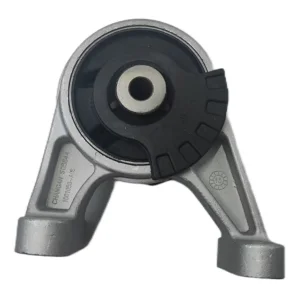
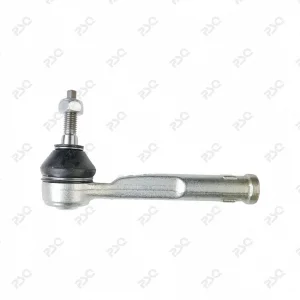
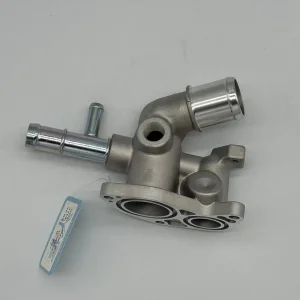
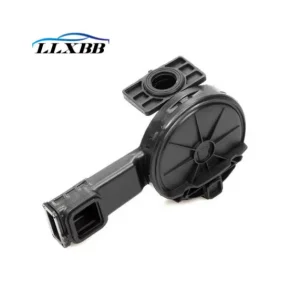
Our commitment to excellence extends across a wide range of automotive systems, from cooling to suspension.
 Sedo Auto