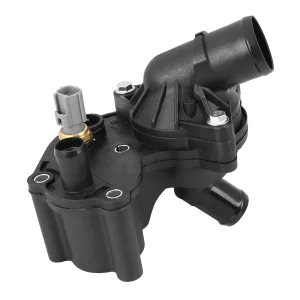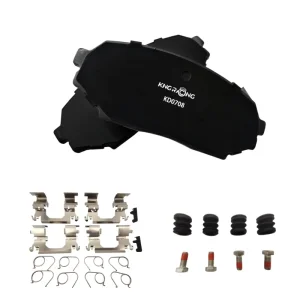
Founded in 2008, Wenzhou Sedo Auto Co., Ltd. has grown into a leading enterprise in the automotive parts industry, supported by a highly skilled production and sales team. We integrate advanced technology with robust engineering protocols to develop some of the market's most reliable internal combustion engine synchronization systems and chassis parts.
The company integrates research & development, manufacturing, and sales, specializing in the production of high-quality automotive pumps and a wide range of automotive accessories. By continuously introducing advanced production equipment and modern management systems, we ensure that our products are innovative, durable, and meet the highest industry standards. Our extensive product portfolio covers multiple categories, enabling us to serve distributors and customers both domestically and internationally.
Guided by the business philosophy of "Credit First, Customer First, Quality Satisfaction, On-Time Delivery", we focus on understanding customer needs, promoting environmentally friendly production, continuously improving product quality, and optimizing production processes. We have established a comprehensive management system to provide our clients with professional, all-round services and long-term support.
Modern Automobile Camshaft Position Sensors rely on precise magnetic flux shifts. We construct sensors using optimized Hall Effect and Anisotropic Magnetoresistive (AMR) configurations, designed to function under intense thermal stress.
The camshaft position sensor determines which cylinder is in its power stroke. This data, coupled with crankshaft positioning, is critical for timing fuel injection and ignition spark. Any timing jitter or phase shift degrades fuel efficiency and risks engine knock.
Our OEM/ODM solutions solve these issues by utilizing high-end automotive ASICs that compensate for temperature drifts. Conventional sensors experience magnetic degradation as engine temperatures climb above 120°C. By implementing Rare-Earth Neodymium magnets paired with high-performance copper wire windings, our sensors maintain a stable signal output up to 150°C continuous operating temperatures.
SEO Insight: Engine downsizing and high-boost turbocharging increase under-hood temperatures. Selecting sensors with proper thermal decoupling is essential to prevent signal drift and OBD-II trouble codes (e.g., P0340 to P0344).
| Parameter / Metric | Hall Effect Sensors (Sedo Premium) | Anisotropic Magnetoresistive (AMR) | Variable Reluctance (VR) Coil |
|---|---|---|---|
| Operating Voltage Range | 4.5V – 24V DC | 5.0V – 16V DC | Passive (Generates AC voltage) |
| Frequency Response | 0 Hz – 20 kHz (Zero Speed Capable) | 0 Hz – 100 kHz (Ultra High Speed) | 10 Hz – 10 kHz (Poor at low RPM) |
| Air Gap Tolerance | Up to 2.5 mm (Highly adaptable) | Up to 3.0 mm (Highly sensitive) | < 1.5 mm (Strict alignment required) |
| Signal Output Type | Digital Square Wave (TTL compatible) | Digital / Analog Differential | Analog Sinusoidal (Requires conversion) |
| Jitter Performance | < ±0.05° Crank Angle | < ±0.02° Crank Angle | > ±0.2° Crank Angle |
As the automotive sector transitions from traditional internal combustion engines (ICE) to hybrid powertrains and fully electric drivetrains, the role of position sensors is expanding. Wenzhou Sedo Auto is aligning its R&D with these developments through several key technological initiatives:
Our next-generation sensor casings use engineered thermoplastic composites (such as PPS-GF40 or PA66-GF30) to handle thermal cycles without cracking. The internal electrical connections are laser-welded rather than soldered, removing a common point of vibration failure in heavy-duty commercial applications.
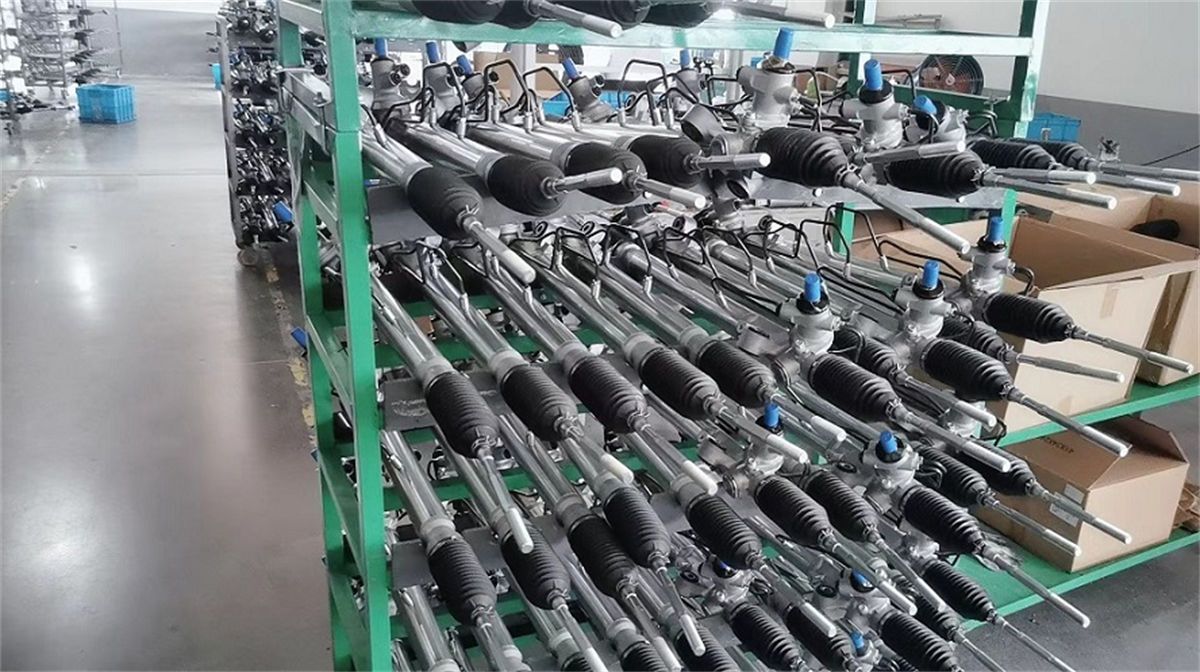
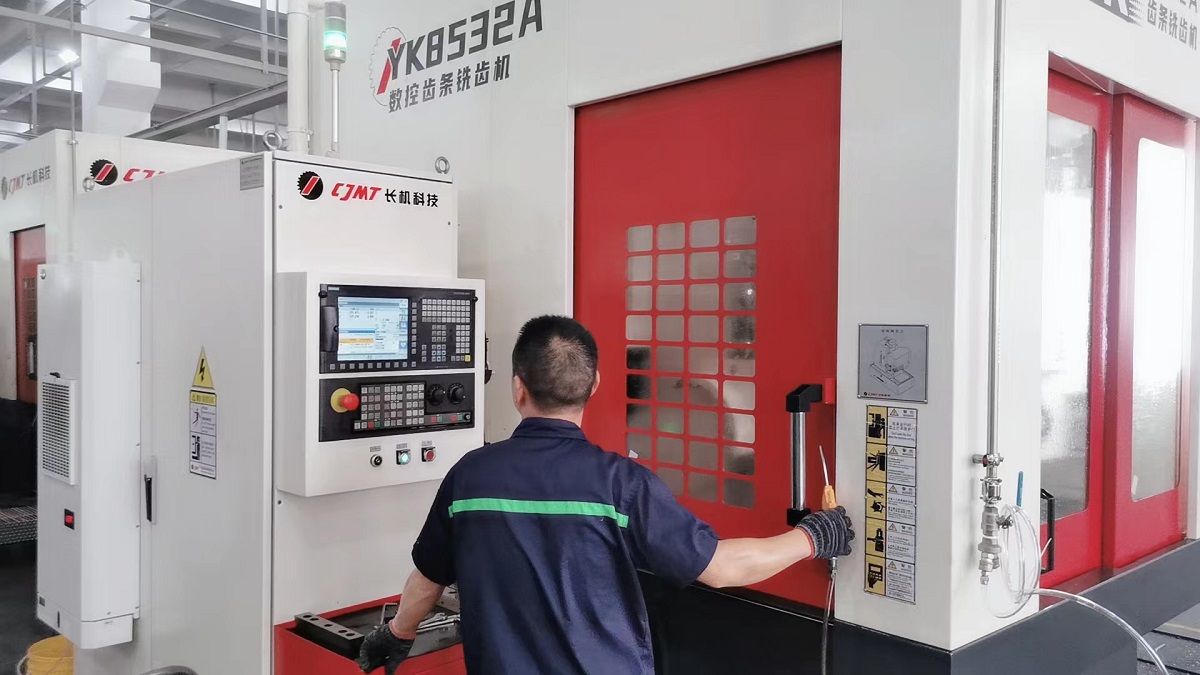
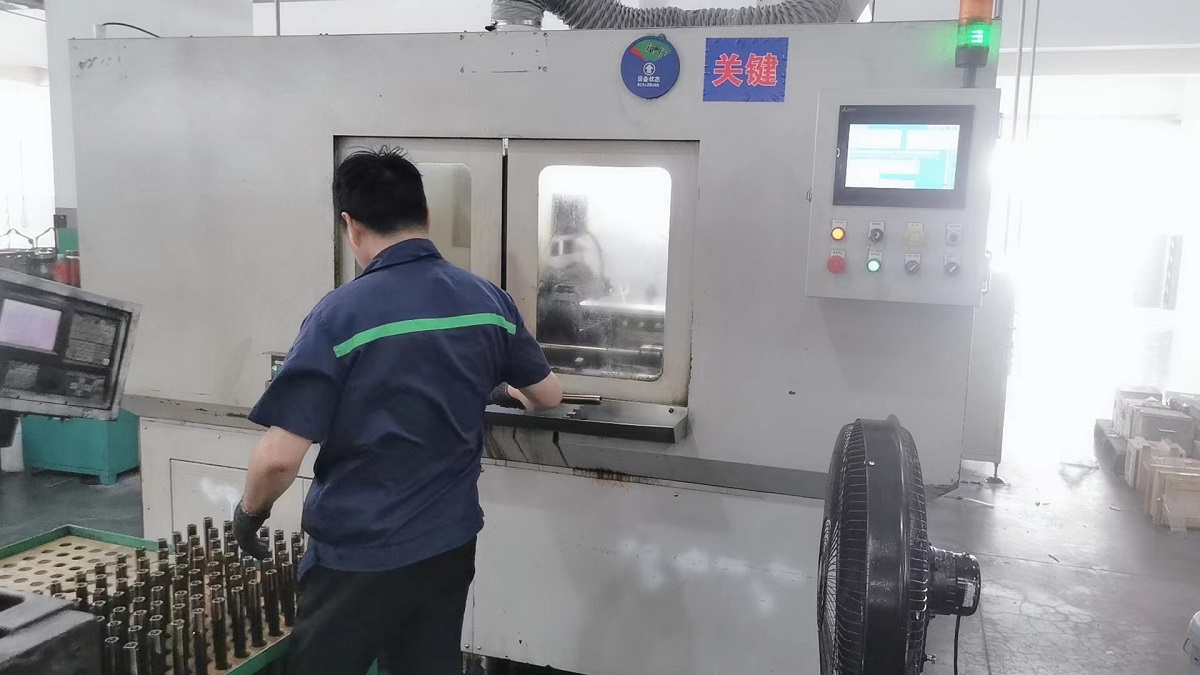
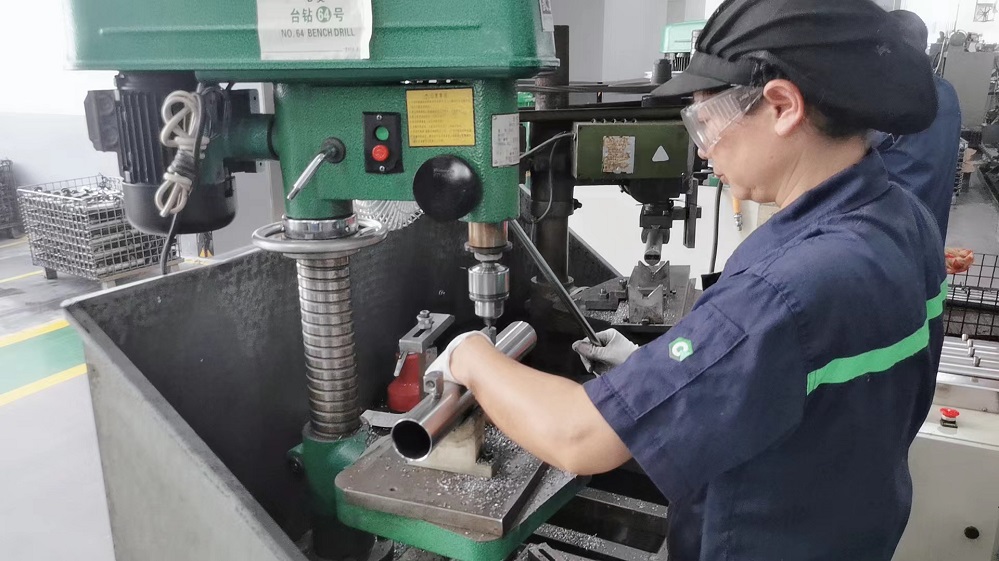
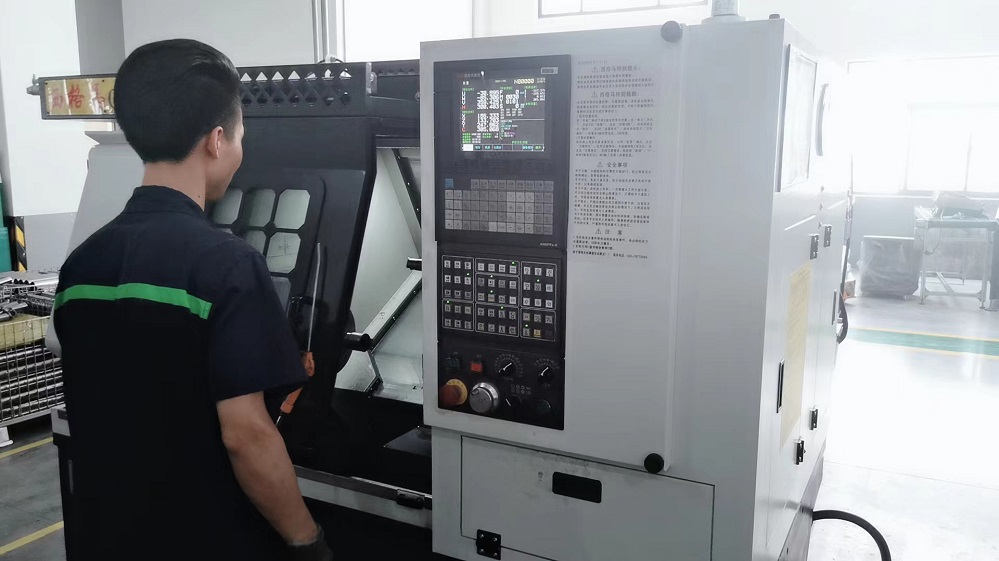
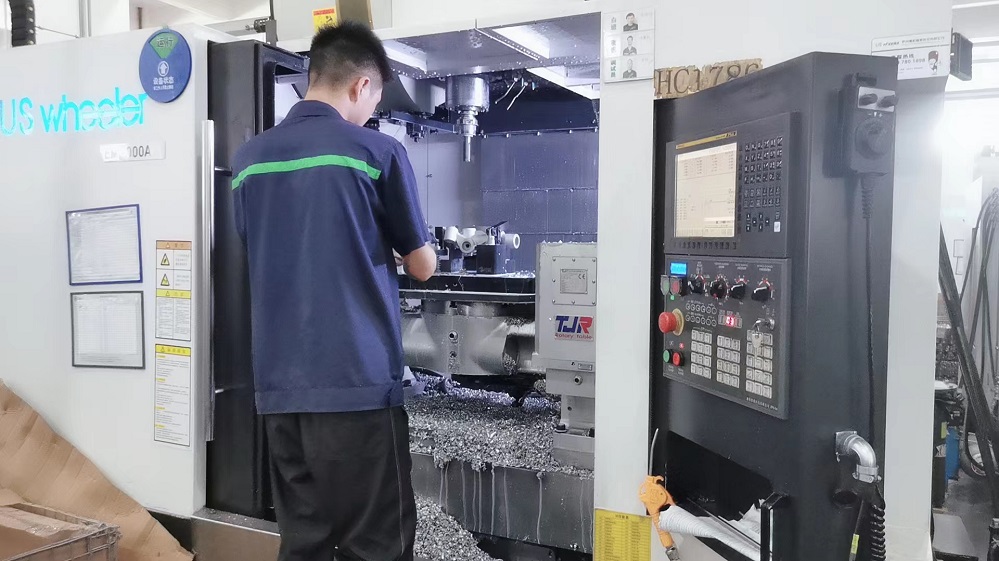
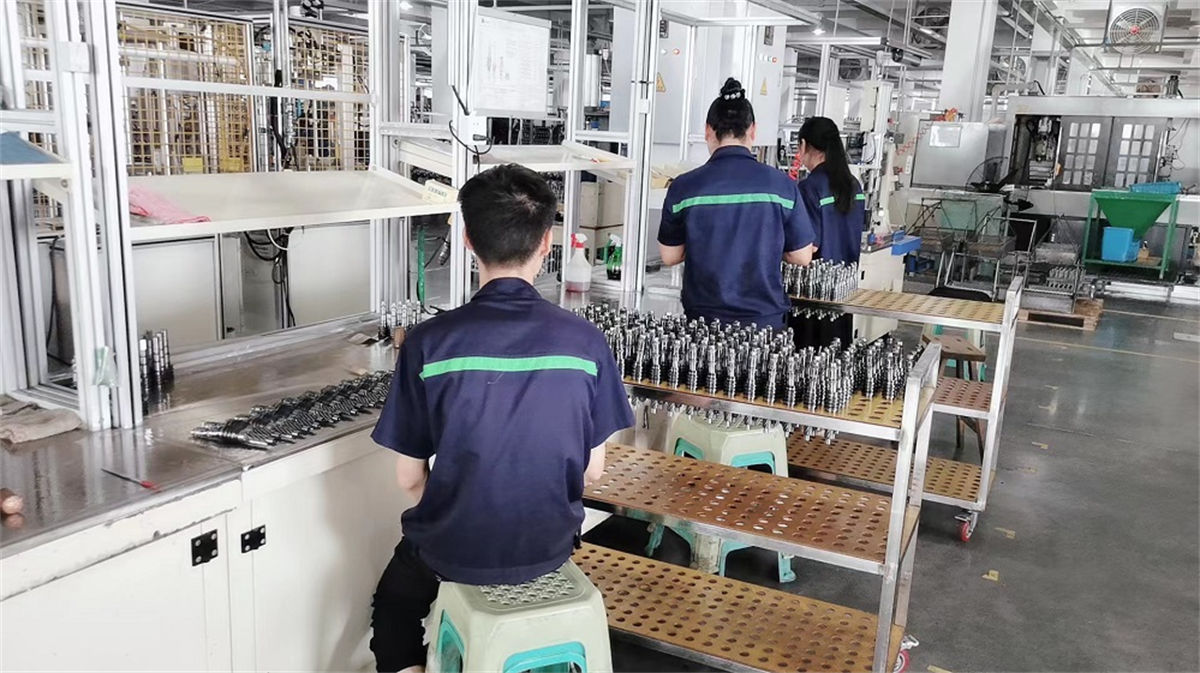
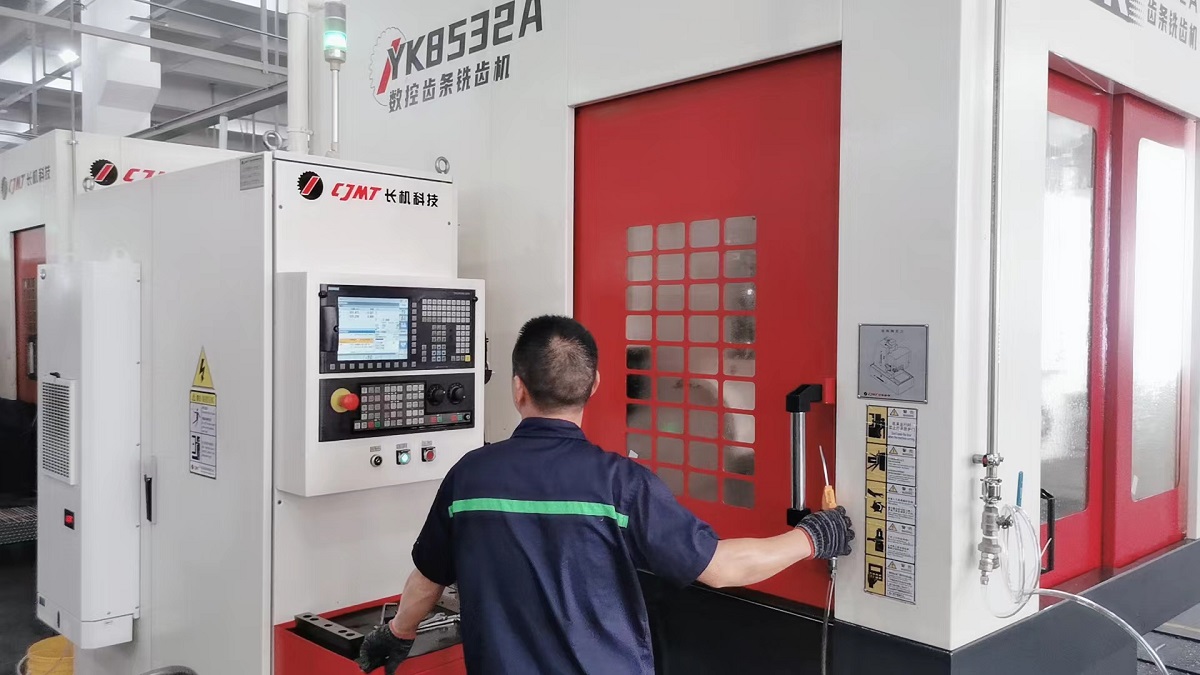
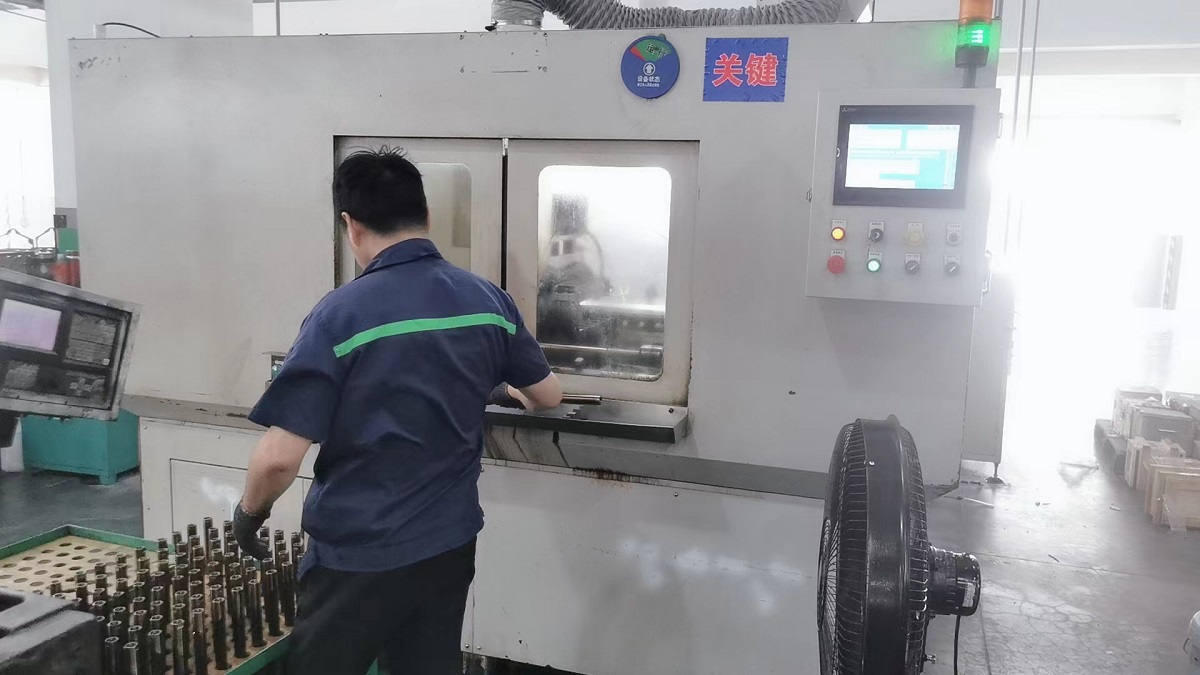
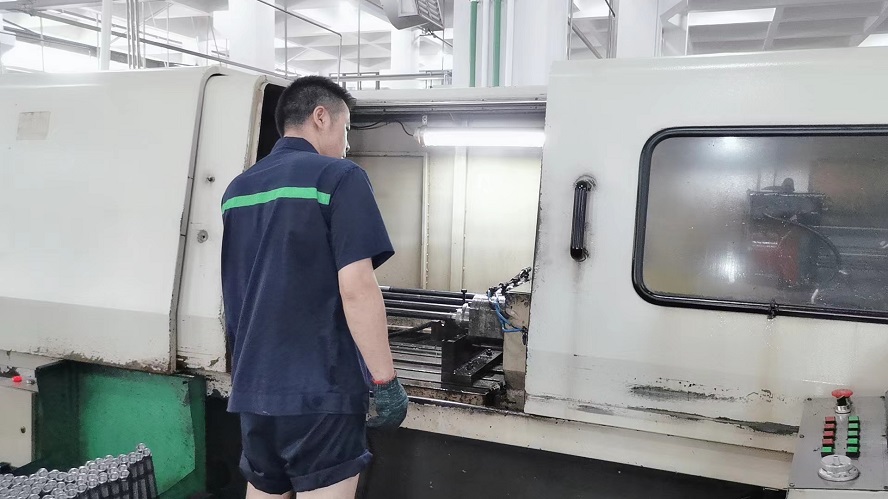
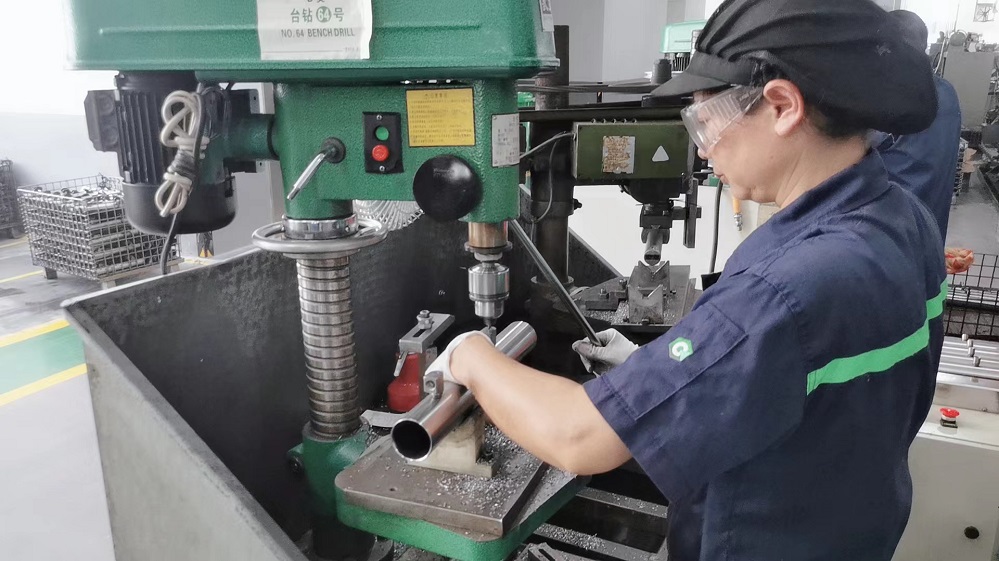
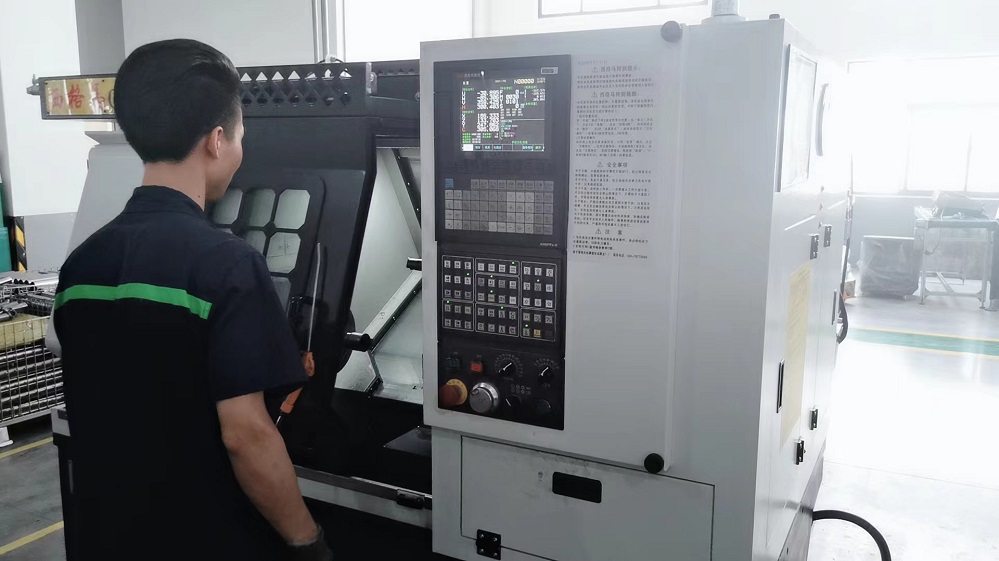
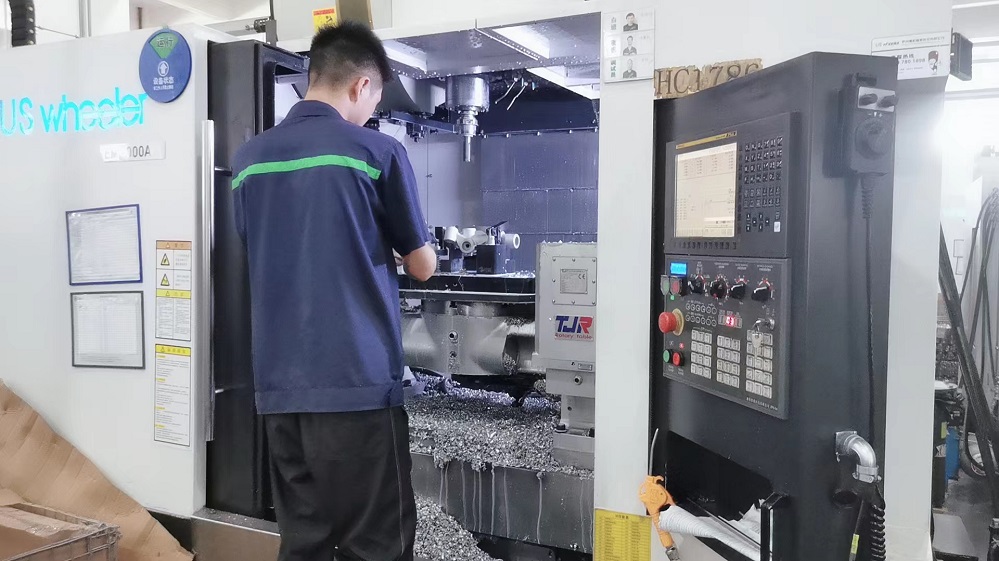
At Wenzhou Sedo Auto Co., Ltd., we combine precision engineering with advanced manufacturing processes. Our facility features CNC machining centers, automated grinding machines, and dedicated assembly lines to maintain tight dimensional tolerances for sensor casings, brackets, and active components.
By running in-house CNC rack milling and deep hole drilling machines, we control the entire component manufacturing process. This vertical integration allows us to adapt custom OEM tooling designs quickly and ensures consistent, defect-free production runs.
For global tier-1 buyers, standard catalog components don't always meet the tight packaging space or terminal block configurations of new engine families. We support these needs with a structured OEM/ODM pipeline designed to fast-track development:
To streamline entry into international supply chains, Sedo Auto aligns its operations with global manufacturing expectations:
 Sedo Auto