As the automotive world pivots towards carbon neutrality, the role of Automobile Oxygen (O2) Sensors has shifted from a simple component to a critical intelligence node within the modern internal combustion engine (ICE). At Wenzhou Sedo Auto Co., Ltd., we recognize that the global industrial landscape demands more than just hardware; it requires comprehensive emission solutions that align with Euro 6, China 6, and Tier 3 standards.
O2 sensors, specifically Lambda sensors, serve as the "nose" of the vehicle, measuring the oxygen concentration in exhaust gases to ensure the catalytic converter operates at peak efficiency. Our CE certified products provide the information gain necessary for ECU mapping, reducing nitrogen oxides (NOx) and carbon monoxide (CO) while maximizing fuel economy. In the macro industrial context, reliable O2 sensor supply chains are essential for mitigating the environmental impact of global logistics and personal mobility.
Real-time data feedback to the ECU ensures the stoichiometric air-fuel ratio (14.7:1), preventing rich or lean burn conditions.
Meeting stringent international emission mandates by providing ultra-sensitive ceramic sensing elements with rapid response times.
Protecting expensive catalytic converters from thermal shock and poisoning through accurate exhaust monitoring.
Founded in 2008, Wenzhou Sedo Auto Co., Ltd. has grown into a leading enterprise in the automotive parts industry. Our authority is built upon a decade of rigorous R&D and a commitment to the "Credit First, Quality Satisfaction" philosophy. We don't just export; we engineer solutions that bridge the gap between manufacturer requirements and aftermarket reliability.
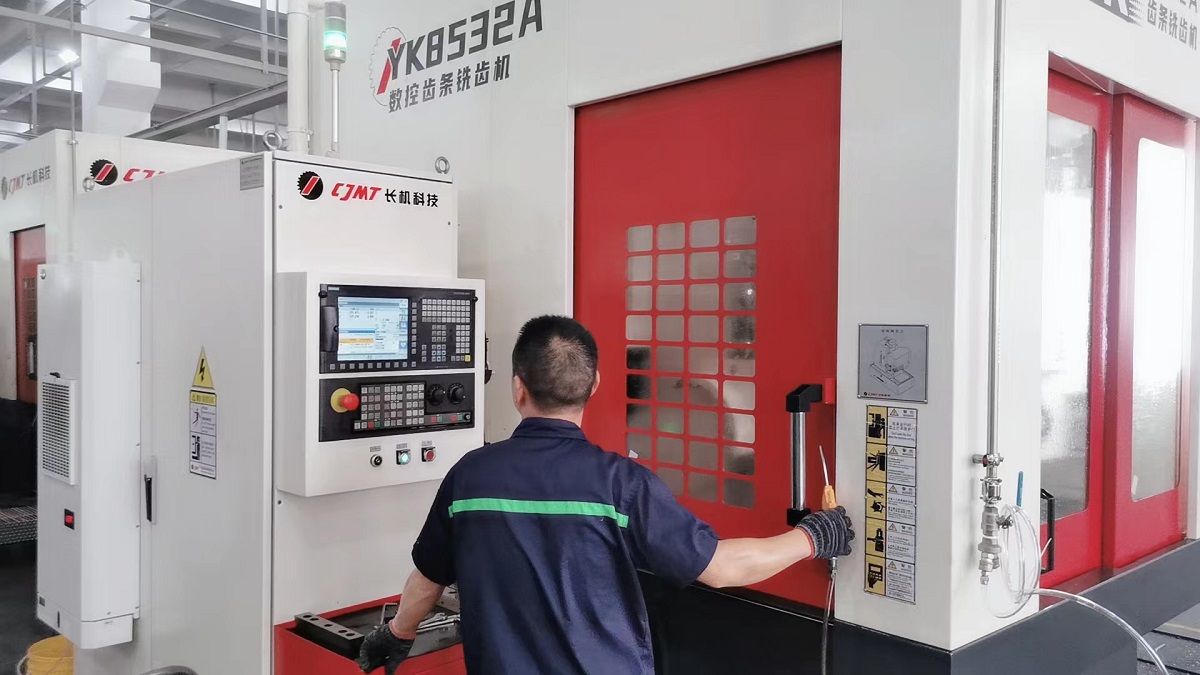
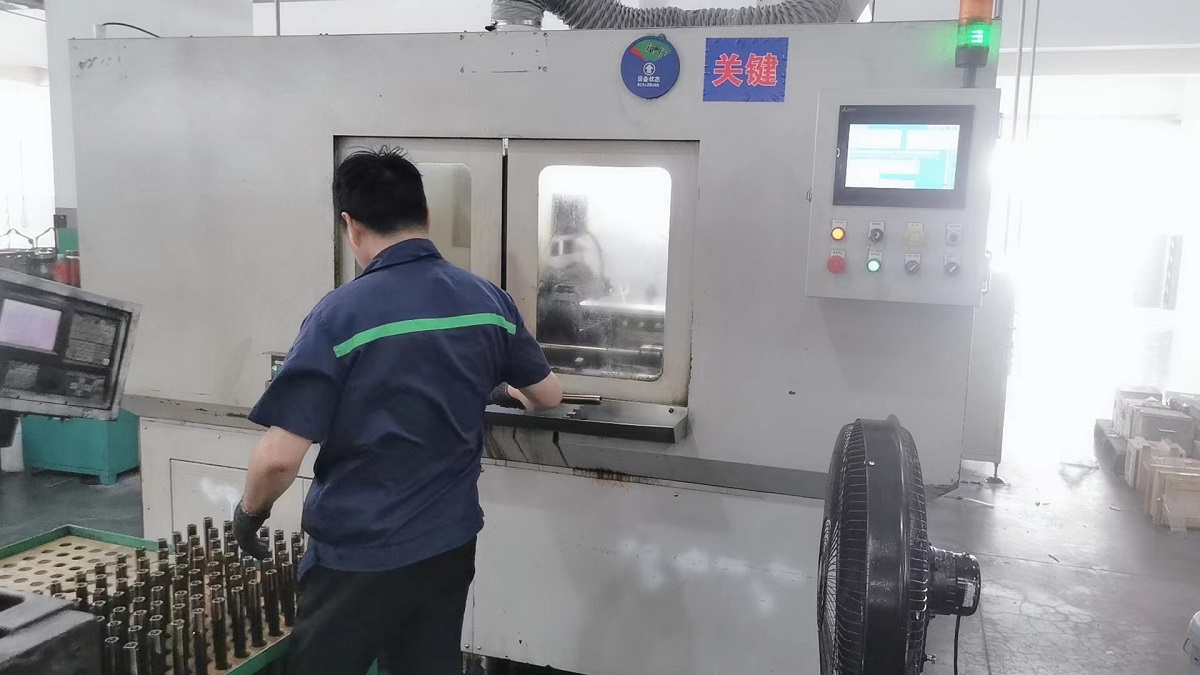
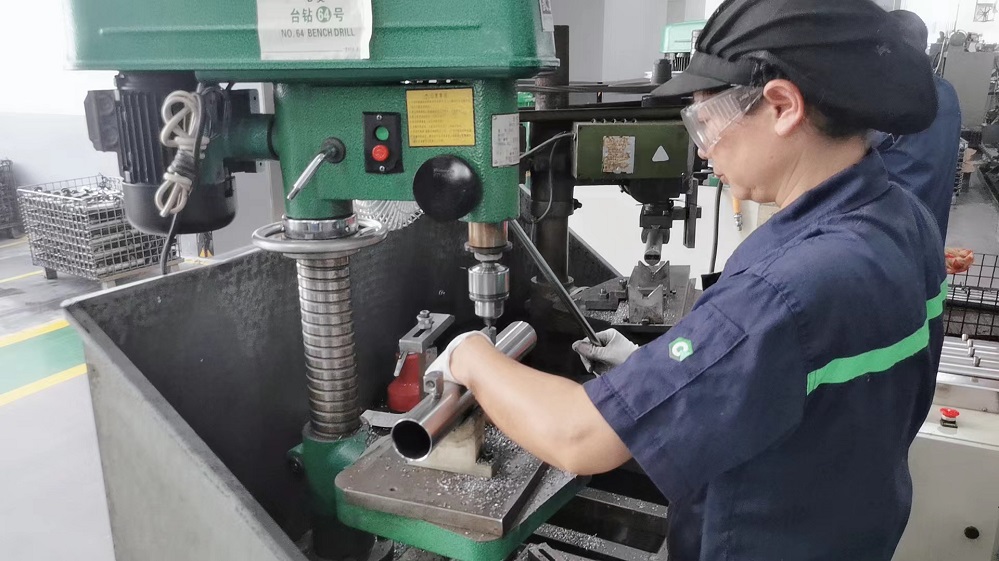
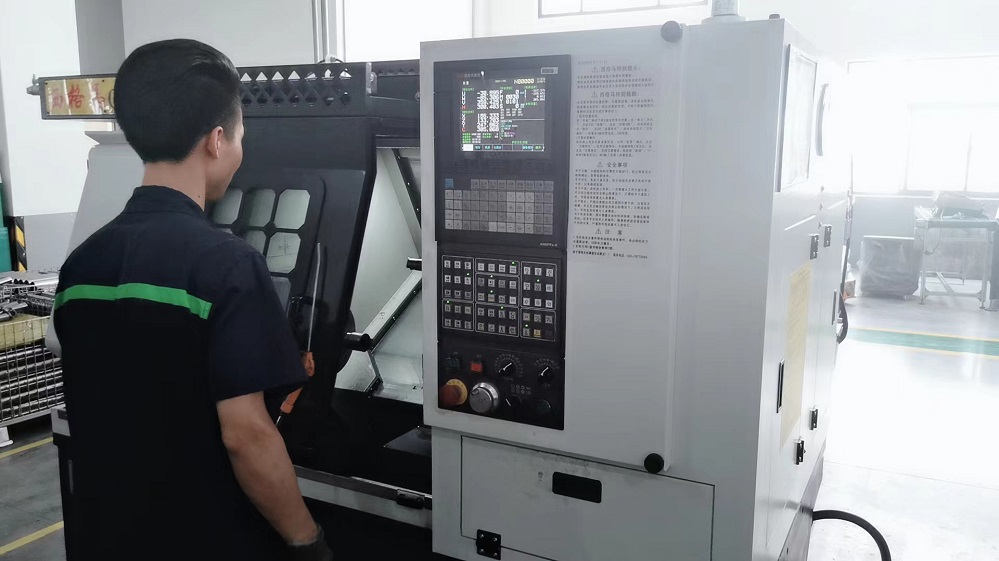
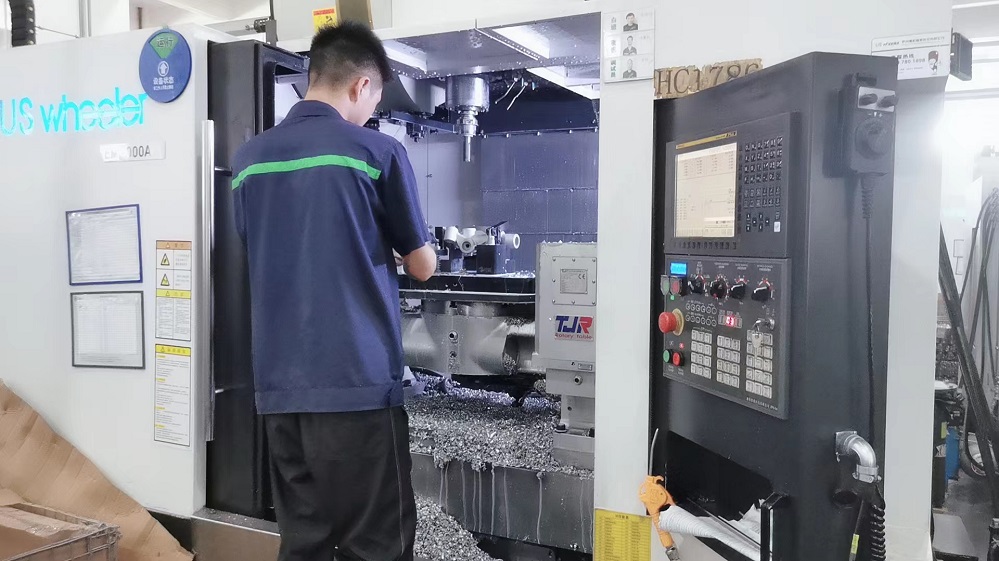
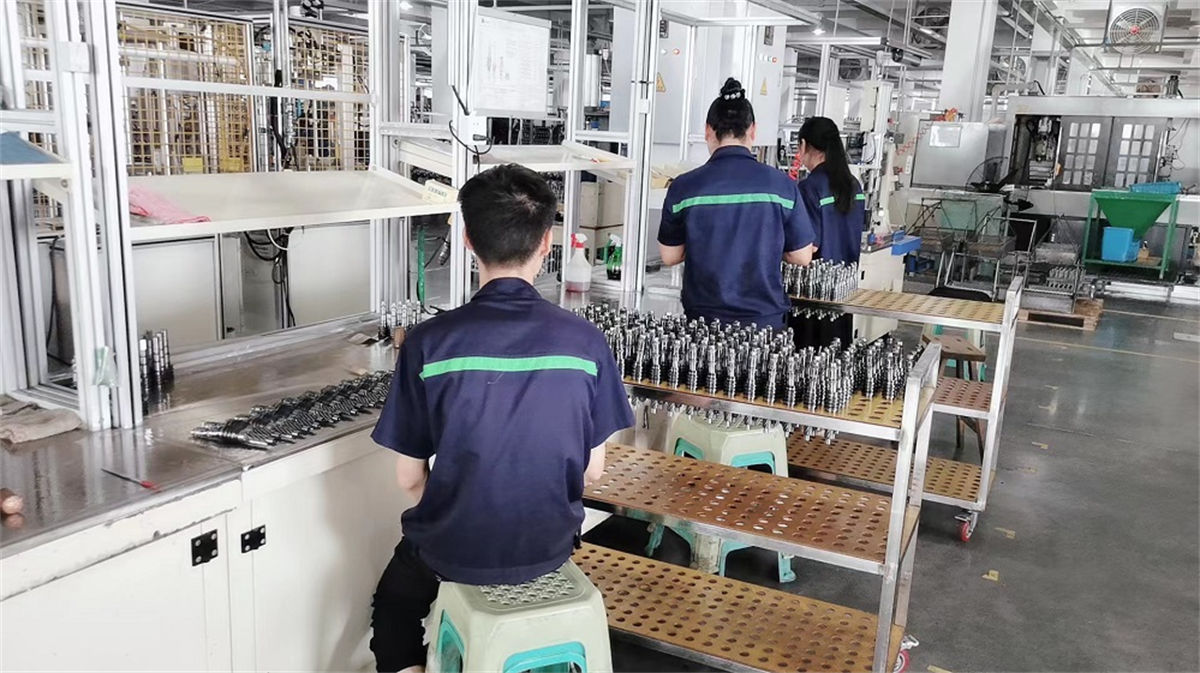
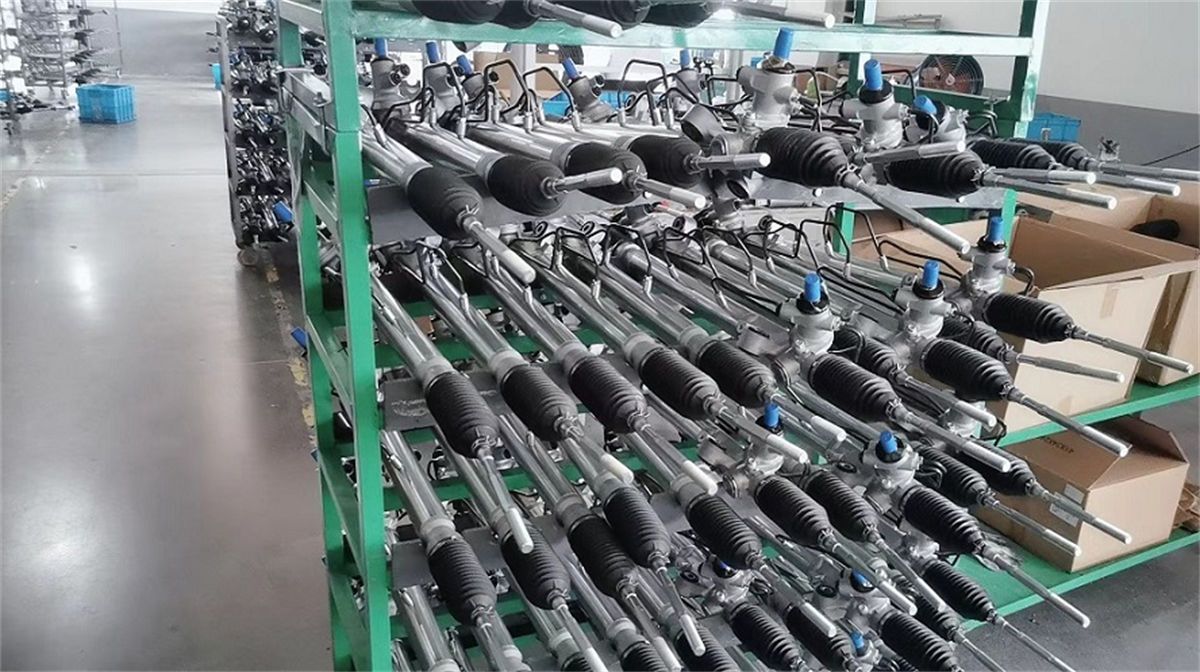
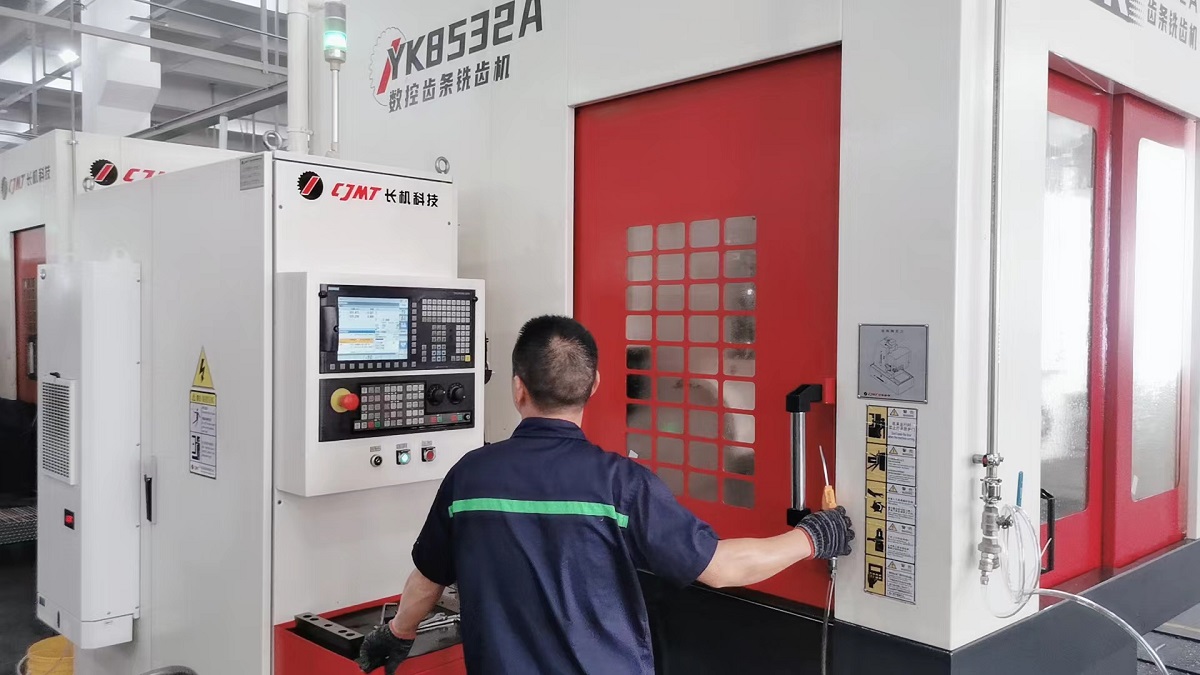
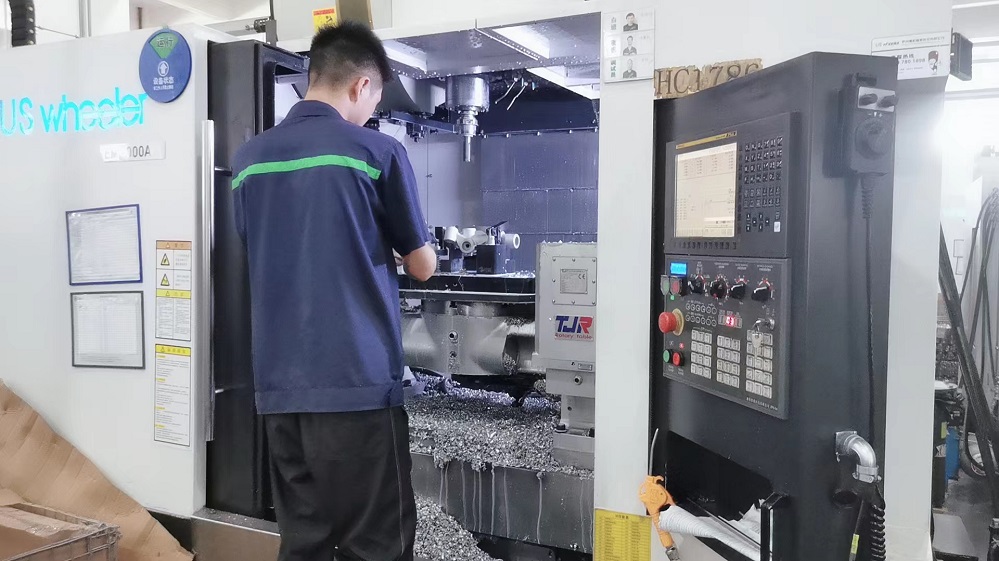
Our facility integrates state-of-the-art CNC Machining, Milling, and Grinding processes to ensure every sensor housing and internal component meets sub-micron tolerances. This technical depth is why distributors worldwide trust our 12-month warranties and CE-certified quality control protocols.
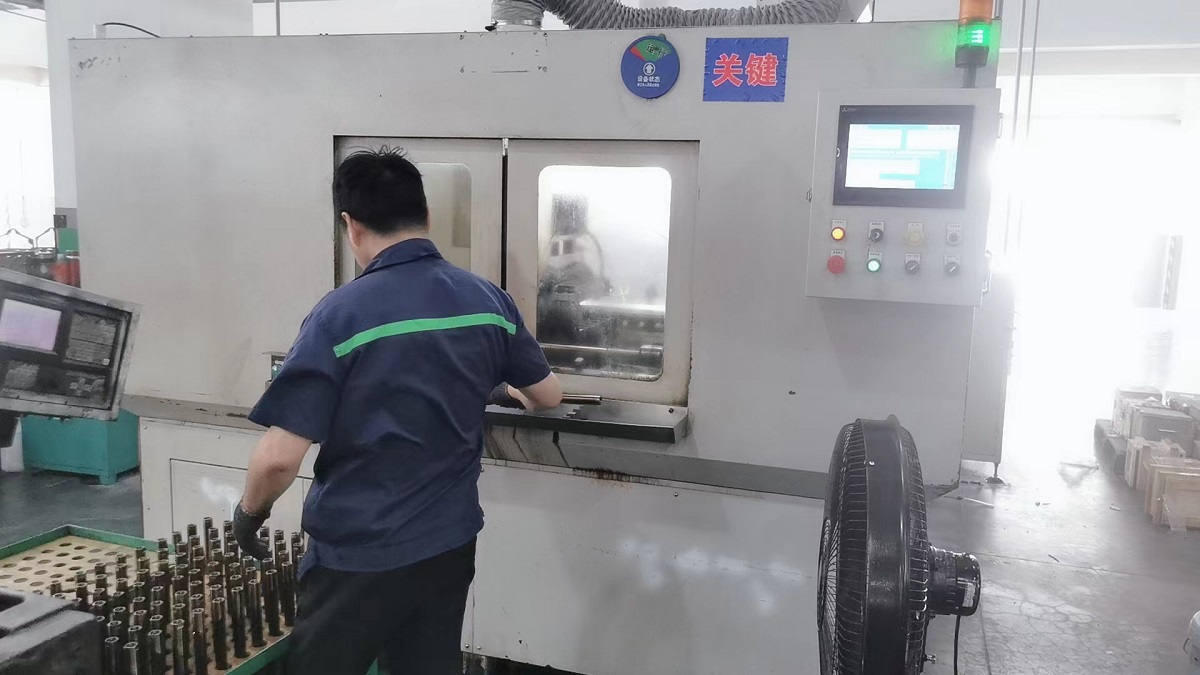
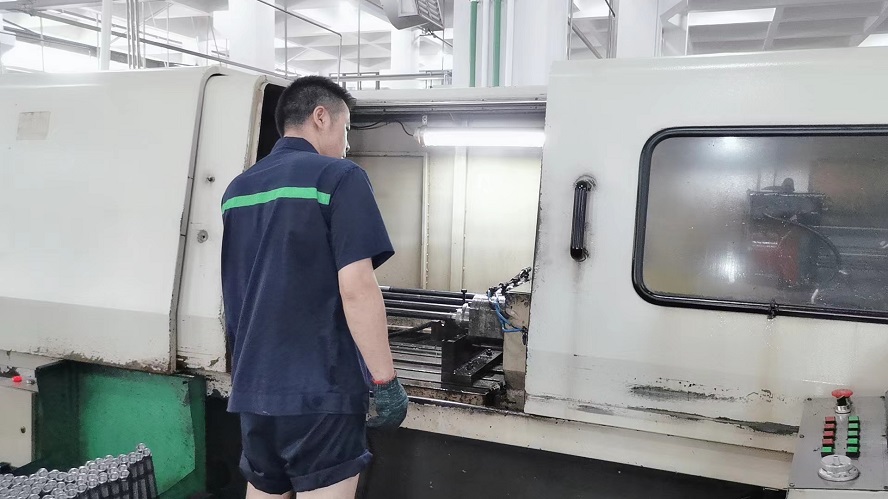
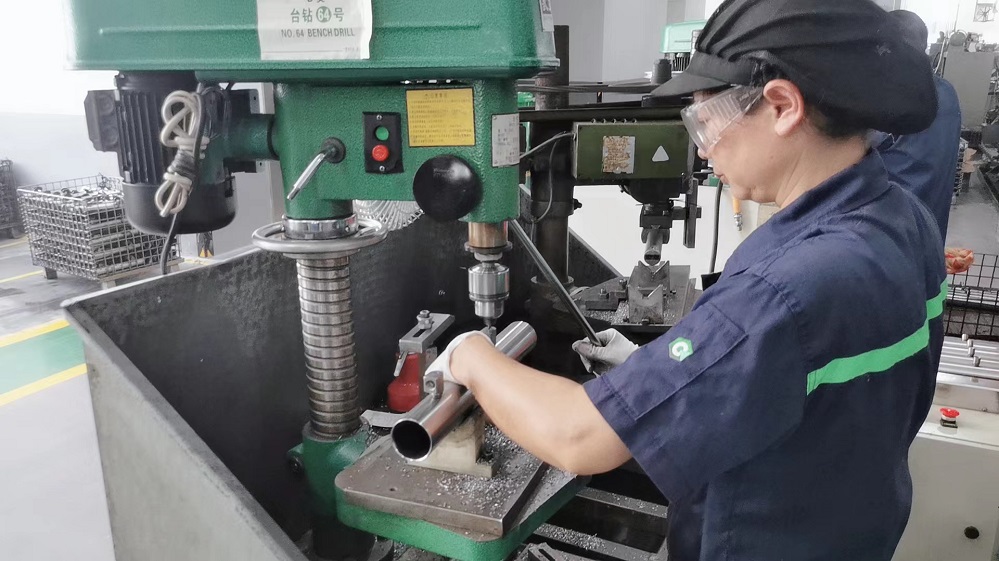
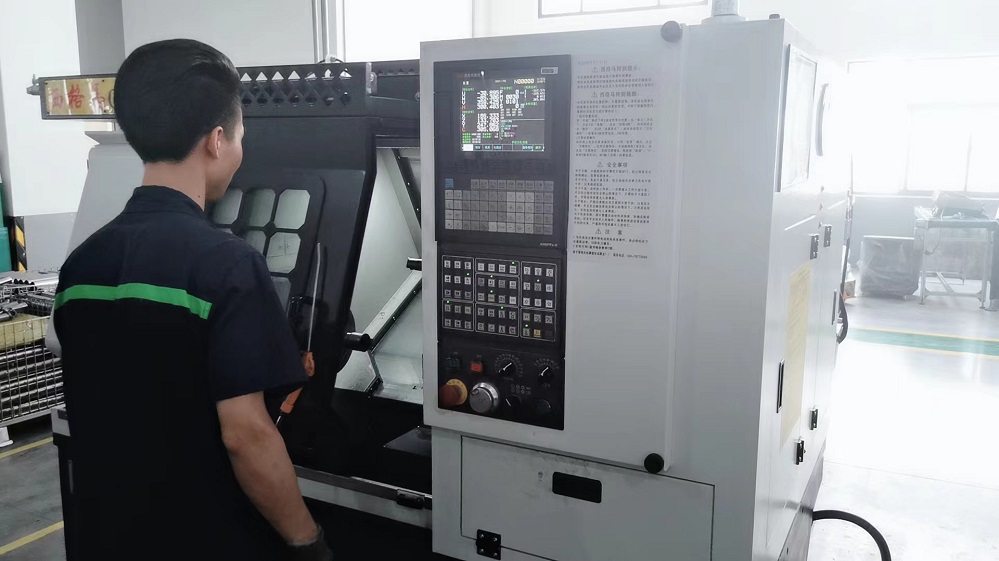
The transition toward Electrification (EVs) and Hybrid Electric Vehicles (HEVs) hasn't eliminated the need for oxygen sensors; it has redefined it. Hybrid engines experience frequent cold starts, which requires sensors with rapid light-off times. Our next-generation planar oxygen sensors utilize high-output internal heaters to reach operating temperatures in under 5 seconds, ensuring emissions stay within legal limits during every engine transition.
Localized Compliance & Support: We understand that an exporter's value lies in their ability to navigate local regulations. Whether it’s EPA compliance for North America or E-Mark certifications for Europe, Sedo Auto provides full documentation and localized technical support to assist our partners in overcoming market entry barriers.
Focus on Wideband (A/F) Sensors for high-performance turbocharged engines and stringent OBD-II diagnostic requirements.
Optimizing Zirconia-based binary sensors for durability in diverse fuel quality conditions and extreme thermal environments.
CE marking indicates that the sensor complies with EU safety, health, and environmental protection requirements. For exporters, this ensures legal entry into the European Economic Area and signifies a high standard of electromagnetic compatibility (EMC), preventing interference with other vehicle electronics.
High-quality heated oxygen sensors (4-wire) are designed to last between 60,000 to 100,000 miles. However, factors like fuel quality and engine maintenance play a significant role. Our sensors use premium yttria-stabilized zirconia elements to resist "poisoning" from lead or silicone.
Absolutely. A lagging or "lazy" sensor causes an unbalanced air-fuel ratio, which leads to excessive unburned fuel entering the catalytic converter. This causes the converter to overheat and melt, leading to catastrophic failure of the entire exhaust system.
Every sensor undergoes a 100% functional test before packaging. This includes testing the heater resistance, signal response time, and airtightness. We utilize modern management systems to track batch consistency from raw material to finished product.
 Sedo Auto