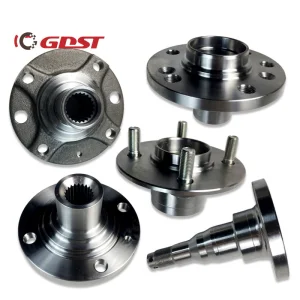
Engineered to support regional transportation and logistics networks, these high-spec assemblies provide severe-duty reliability for commercial and passenger fleets alike.
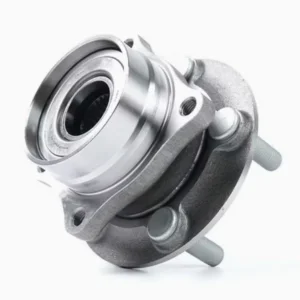
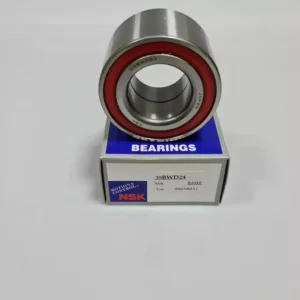
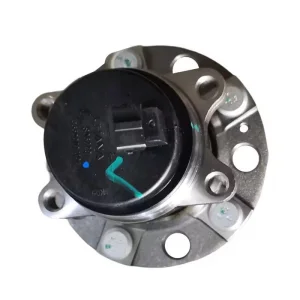
Operating a vehicle fleet or executing machinery repair within the Democratic People's Republic of Korea (DPRK / North Korea) calls for an understanding of specific mechanical stresses and operational requirements. While major cities like Pyongyang and Nampo feature developed paved roadways, regional transport networks—linking mining centers, manufacturing clusters, and agricultural cooperatives—frequently traverse unpaved, high-vibration terrain. For auto parts suppliers, industrial procurers, and logistics entities, sourcing heavy-duty car wheel hub bearings is not merely a matter of part replacement, but one of mechanical survival and fleet uptime optimization.
The DPRK's logistics model relies significantly on rail transport, with heavy-duty trucks and utility vehicles managing critical last-mile deliveries from hubs. The vehicle mix in North Korea is distinct. It comprises retrofitted heavy utility trucks (including domestic Sungri and Taebaeksan models), light commercial vehicles imported from regional neighbors, trolleybuses, public transit trams, and legacy European passenger sedans. These vehicles must function reliably through severe temperature swings, ranging from wet, humid summers to freezing continental winters with temperatures dipping below -20°C.
Due to these environmental pressures, standard automotive wheel bearings are prone to premature failure, stemming from:
Standard automotive bearings typically utilize structural steel or low-grade carbon steel alloys which run the risk of cracking under sub-zero shock loads. Wenzhou Sedo Auto Co., Ltd. ensures all wheel hub bearings exported for harsh-environment usage utilize fully-hardened GCr15 High-Carbon Chromium Bearing Steel. By applying precise induction hardening, the rolling element tracks achieve a surface hardness of 58–62 HRC, while the inner structural core remains resilient enough to absorb impact without fracturing.
For operations in North Korea, bearings must be customized at the manufacturing stage. The following structural improvements are critical to ensuring operational longevity:
Standard single-lip shields easily let in fine dust. We utilize triple-lip labyrinth contact seals, keeping external moisture and sand out while locking in high-performance synthetic lubricants.
We pack our bearings with synthetic polyurea or lithium complex greases rated from -45°C to 150°C. This ensures consistent viscosity, low starting torque, and immediate lubrication in freezing winters.
Compensating for thermal expansion and contraction is essential. We offer customized C3 and CN clearances to prevent bearing seizure when cold weather causes metal housing shrinkage.
Using polyamide glass-fiber reinforced cages (PA66-GF25) instead of basic stamped steel reduces internal friction, limits wear debris, and provides structural durability under heavy vibrations.
Connect with our logistics and technical engineering team to obtain detailed specifications, material composition reports, and specialized compliance options.
Send Inquiry NowFounded in 2008, Wenzhou Sedo Auto Co., Ltd. is an established manufacturer in the automotive components sector, integrating R&D, precision manufacturing, and international trade.
Wenzhou Sedo Auto Co., Ltd. operates state-of-the-art production lines designed for high-performance automotive pumps, wheel hub bearings, and custom auto accessories. In the international marketplace, B2B procurement managers rely on our consistency and supply chain stability. Leveraging the industrial infrastructure of Wenzhou, China, we source premium raw materials and implement strict quality controls to deliver performance that rivals Tier-1 global brands.
Guided by our core business philosophy of "Credit First, Customer First, Quality Satisfaction, On-Time Delivery", we focus on understanding customer needs, promoting environmentally friendly production, continuously improving product quality, and optimizing production processes. We have established a comprehensive management system to provide our clients with professional, all-round services and long-term support.
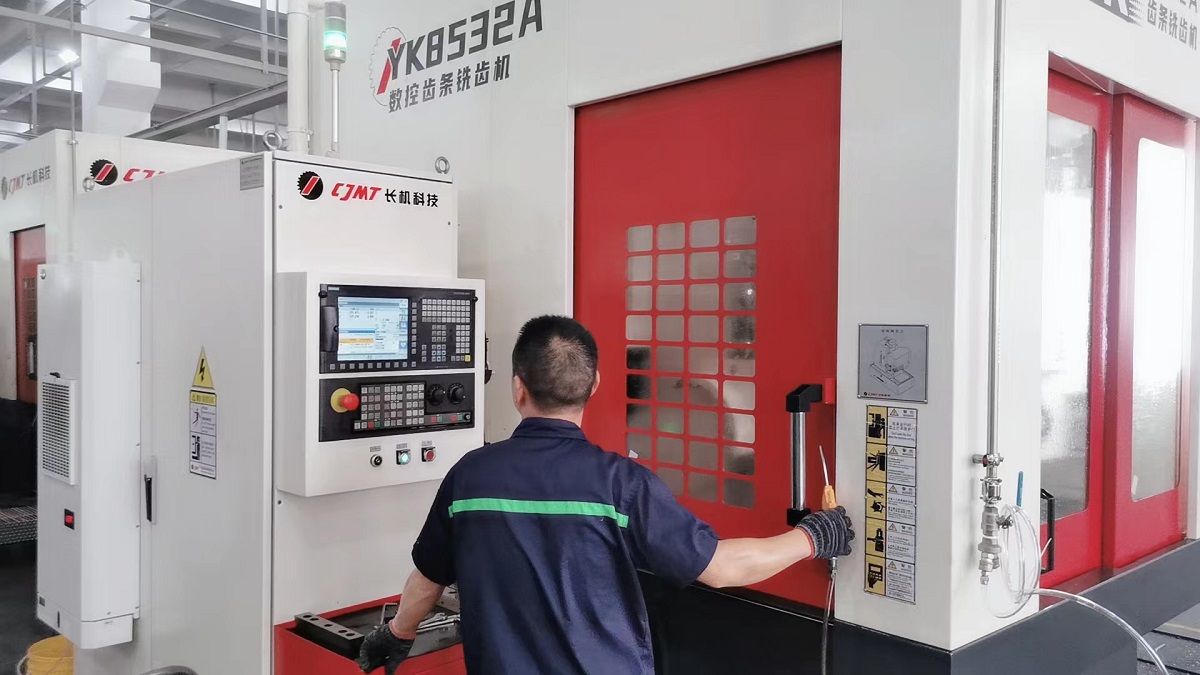
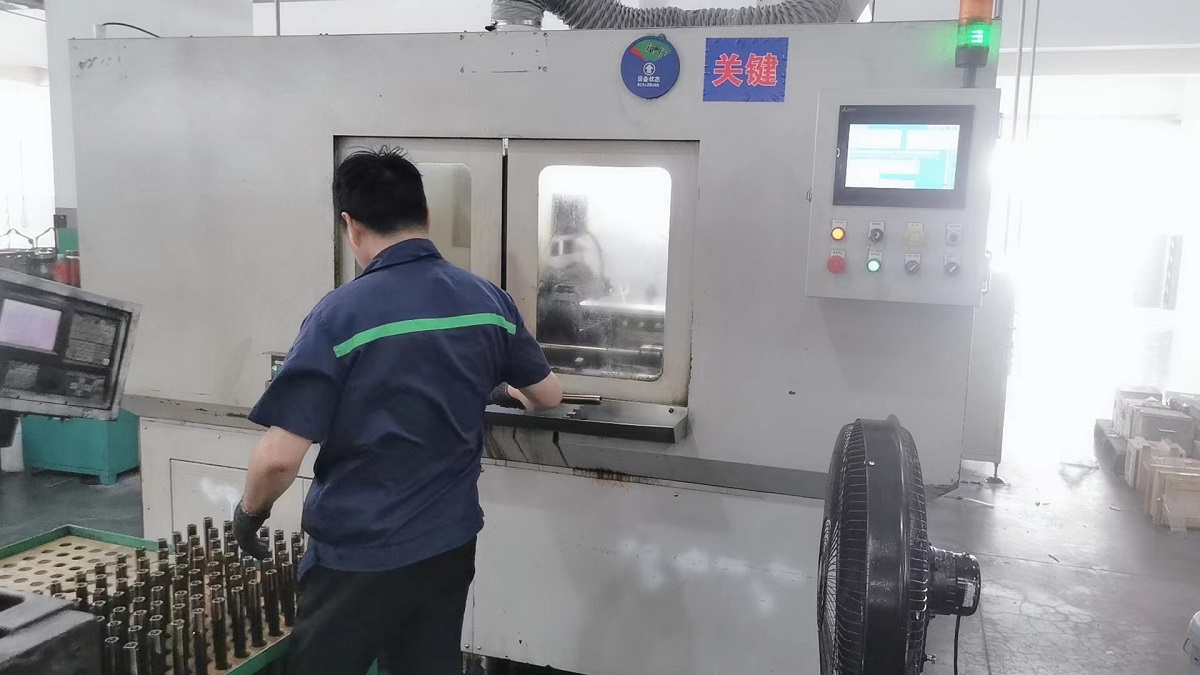
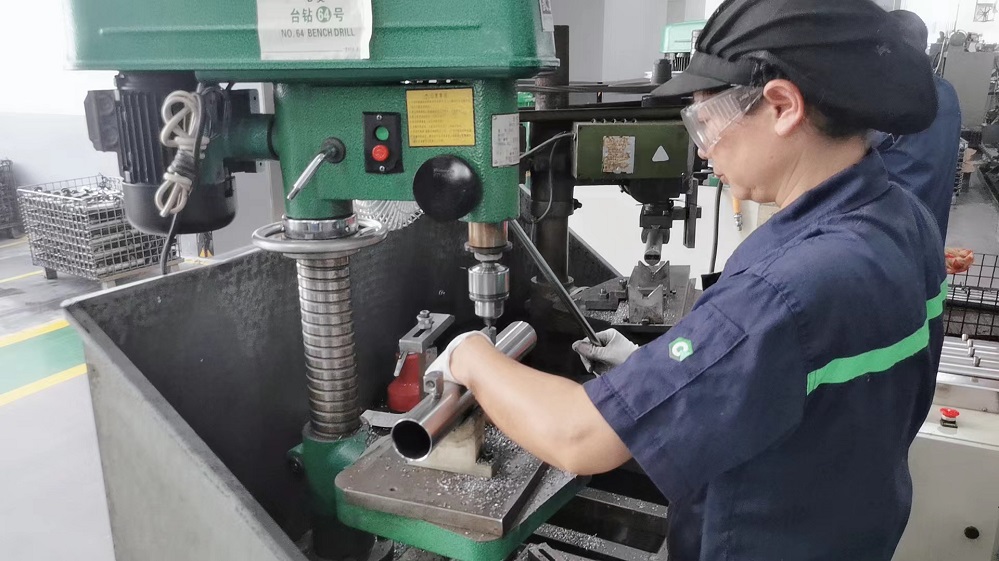
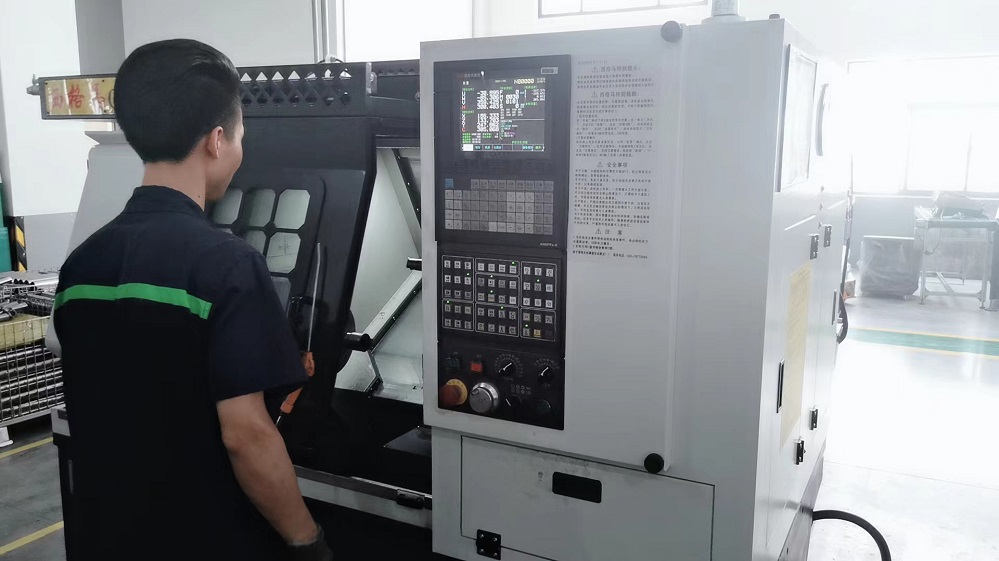
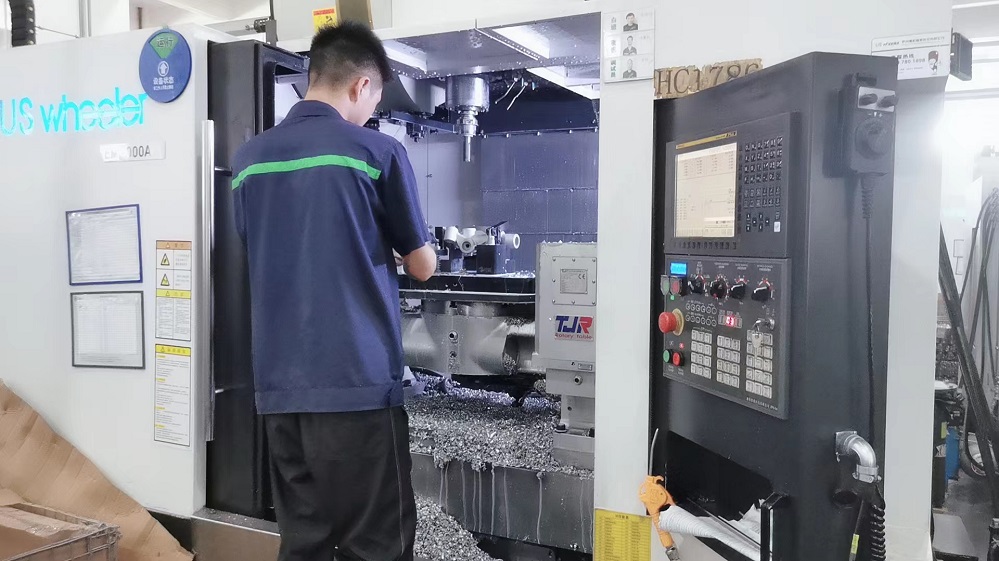
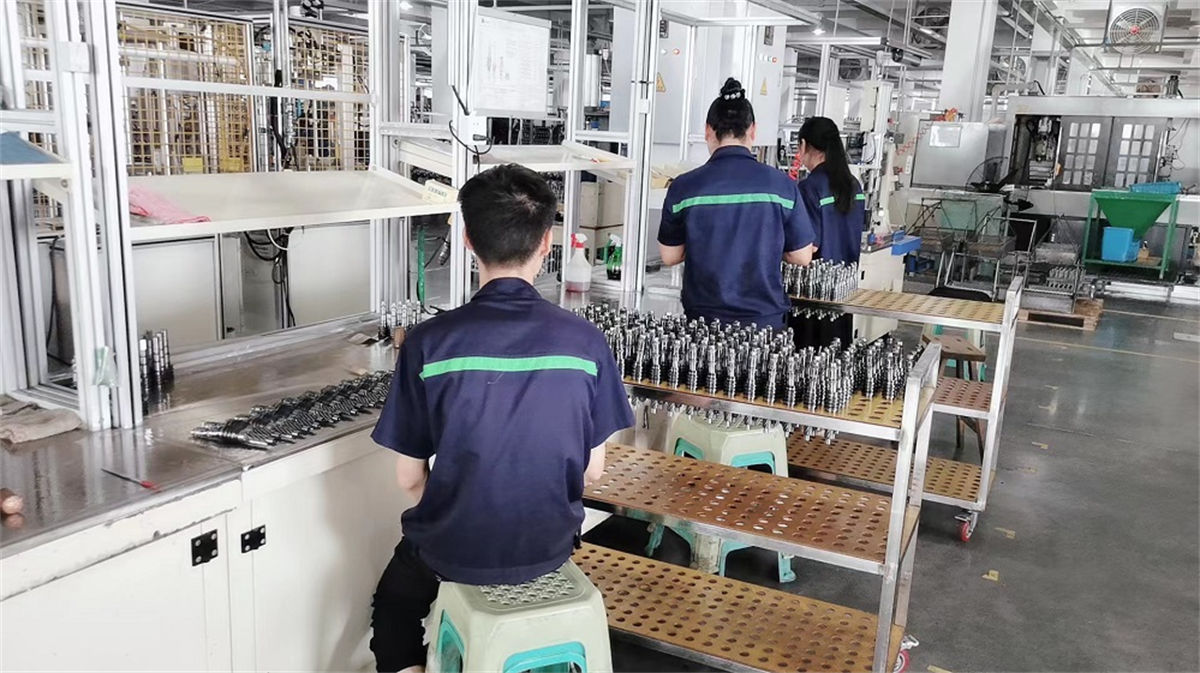
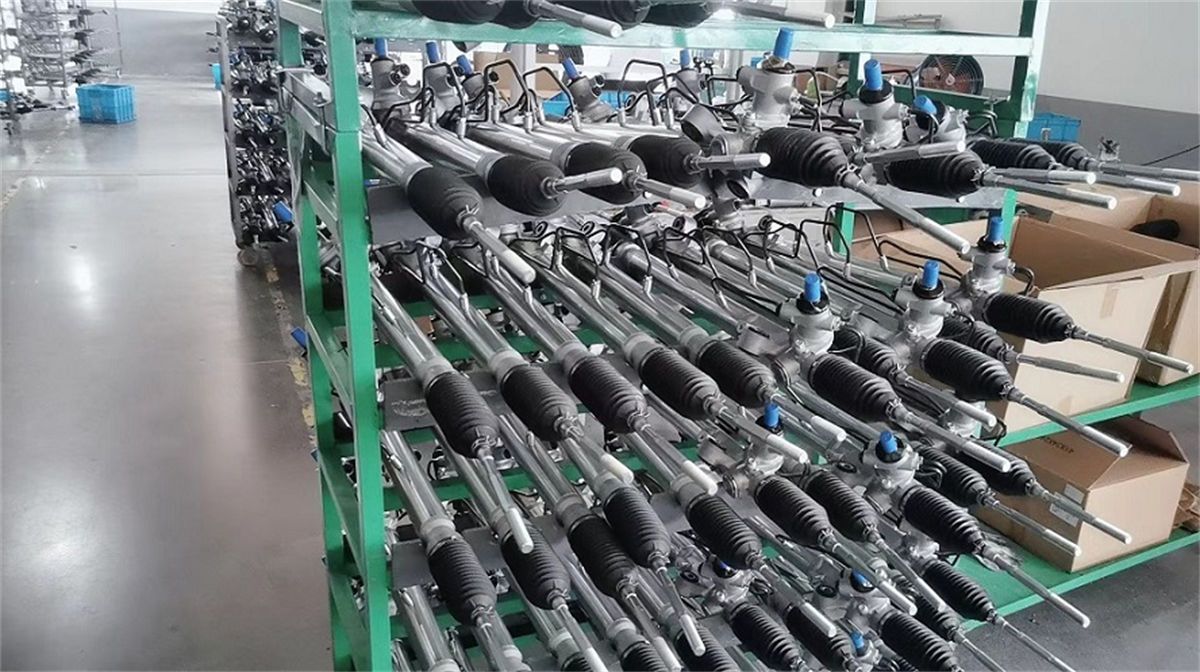
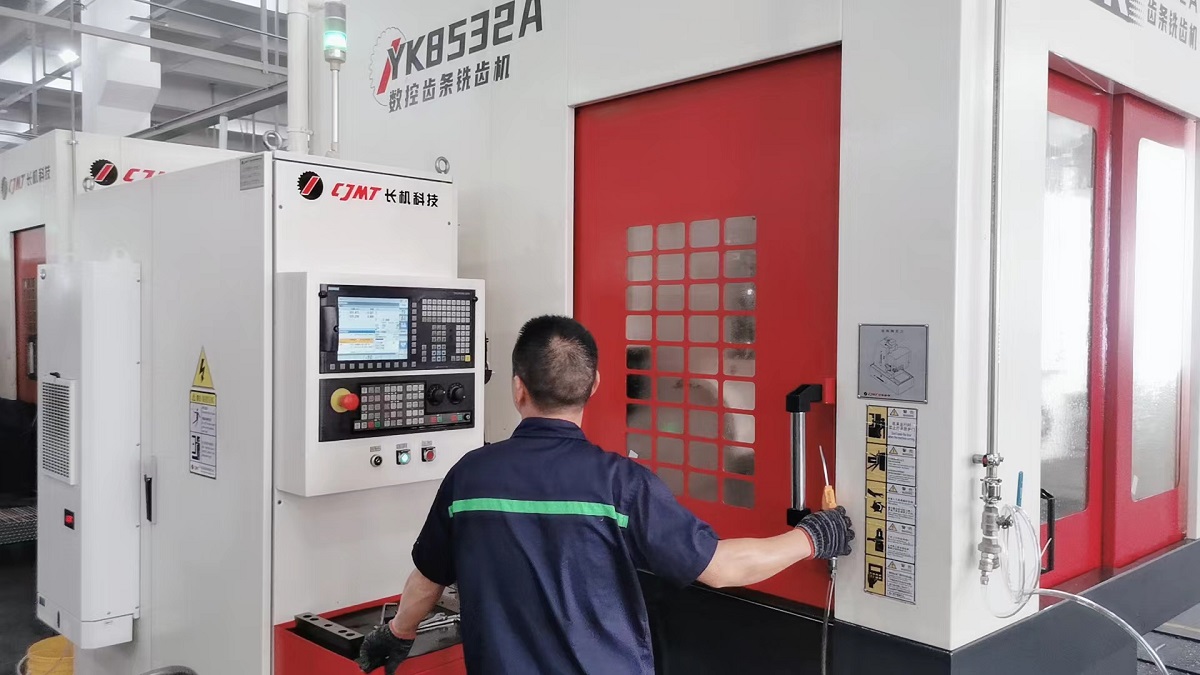
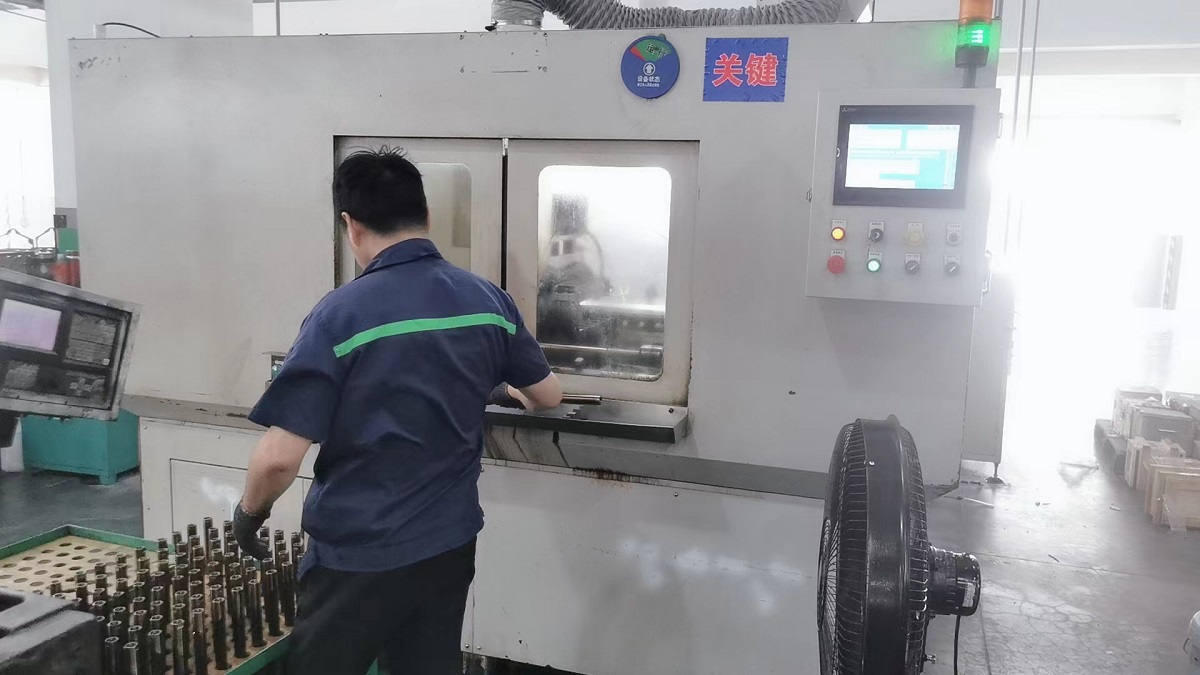
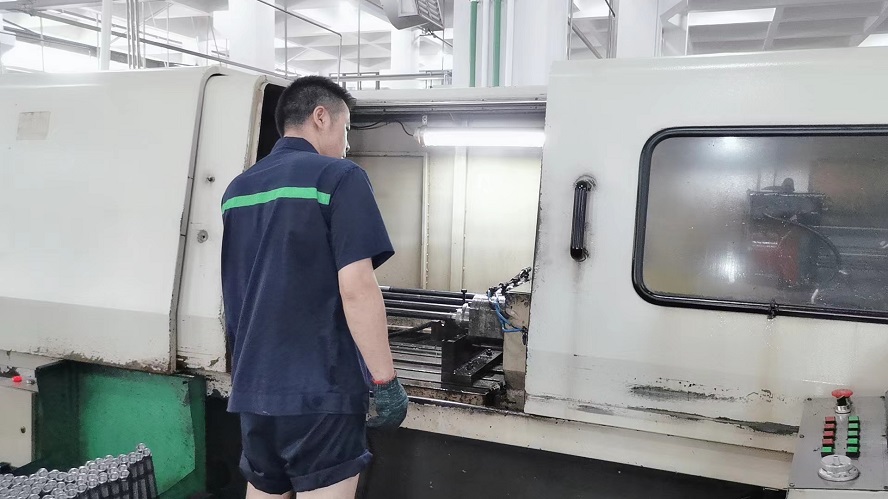
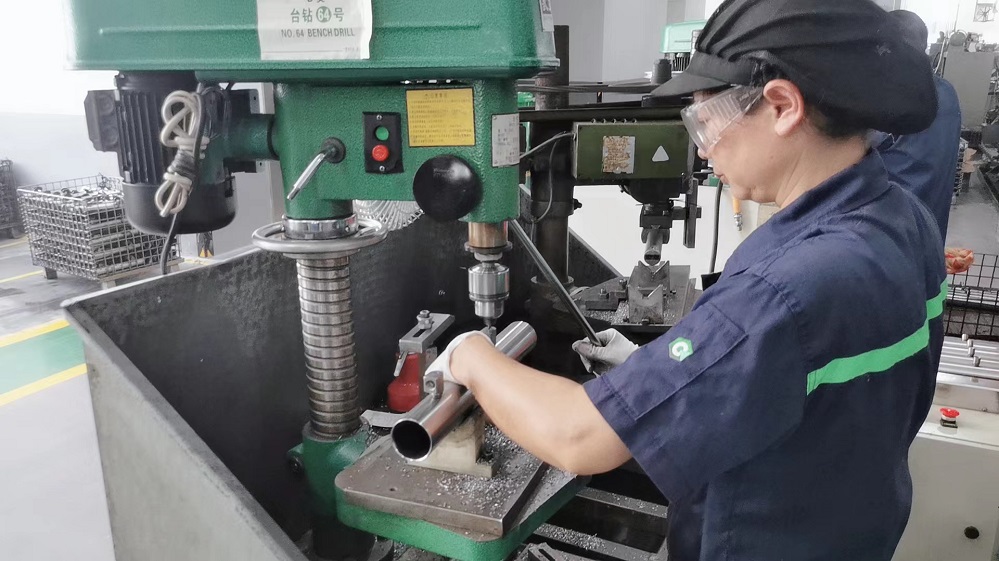
Our facility employs computerized CNC machining centers, precision grinders, and automatic assembly units to maintain tight geometric tolerances. Below is an overview of our core manufacturing phases and machinery:
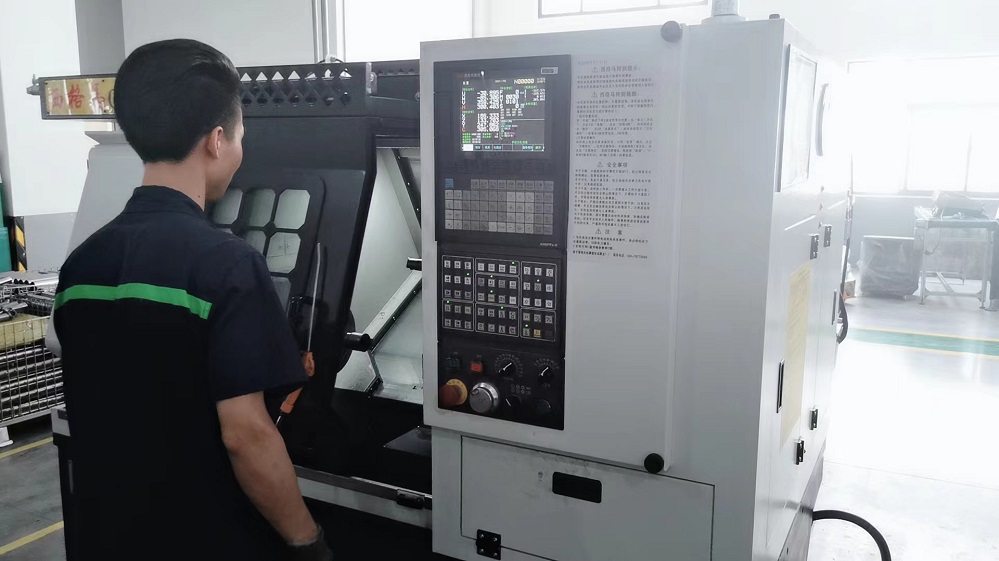
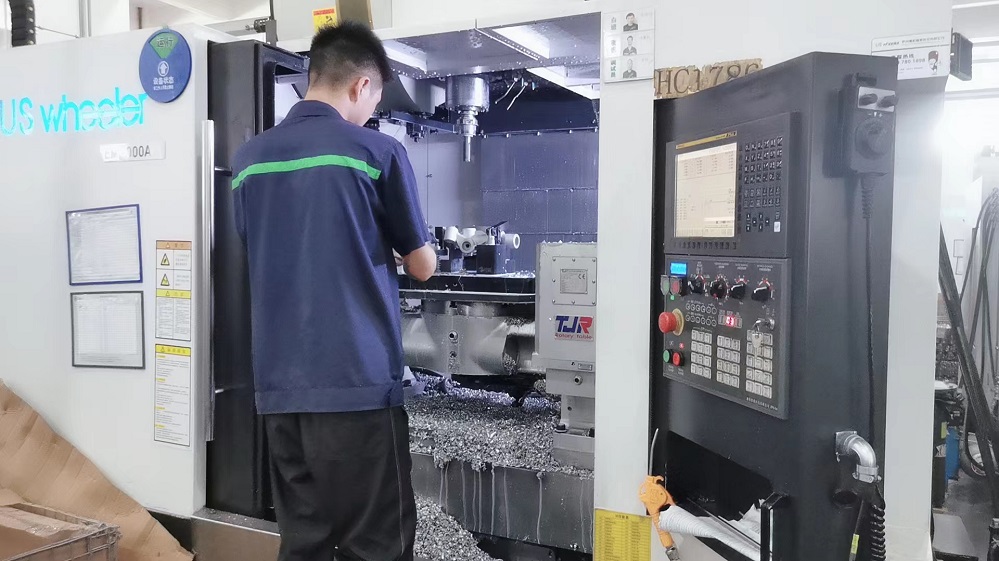
Exporting mechanical components and automotive bearings to North Korea demands strict compliance with international legal frameworks, customs procedures, and regional logistics corridors. For cross-border supply chains, ensuring smooth transport requires seasoned customs experience and secure routes.
Most automotive aftermarket parts shipped from China to North Korea route through Dandong in Liaoning Province. This key border hub handles trans-border road and rail freight across the Yalu River to Sinuiju. Additionally, container cargo shipments can be organized via sea shipping lines connecting China's northern ports (such as Dalian and Tianjin) to Nampo Port on the western coast of the DPRK, or through the Rason Free Economic Zone in the northeast.
Given international restrictions on industrial machinery, dual-use products, and metals, businesses must verify that all export items comply with UN Security Council resolutions and domestic Chinese trade laws.
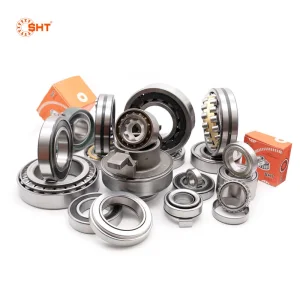
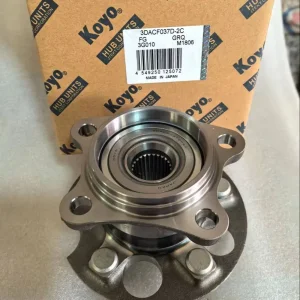
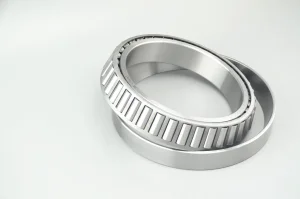
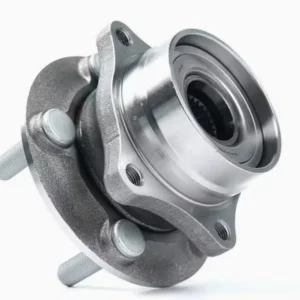
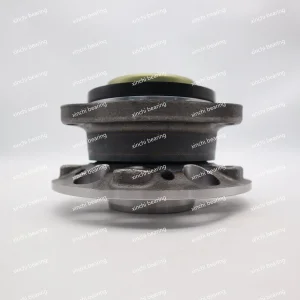
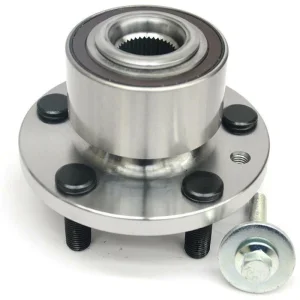
Explore our expanded product selection. These high-grade bearing models are constructed to meet OEM specifications for domestic, regional, and commercial fleets.
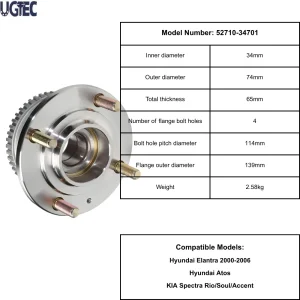
Answers to common questions regarding logistics, material specifications, and product customization for regional markets.
 Sedo Auto